Skip to content
AirFreight logo with topographic patterns

3rd Party Logistics

A 3rd party logistics provider, or 3PL, runs some or all of your freight for you. Some own trucks, while many hire a carrier for every load. When a load cannot wait, HotShotTrucking.com dispatches a dedicated truck straight to your pickup.

CALL US AT (800) 604-2511

Straight Truck

Trusted By Our Most Valuable Partners

3PL TRANSPORTATION

The Transportation Side of 3PL, Handled Load by Load

Most 3PL contracts are built around routine work: storing pallets, picking orders and shipping on a schedule. The trouble starts when a load can’t wait for the next scheduled pickup.

HotShotTrucking.com handles that part. We book a dedicated truck sized to the freight, with dispatch around the clock and one point of contact who manages the shipment until it is delivered.

We work alongside the 3PL you already use. A warehouse team can call us when a scheduled carrier misses a pickup, when a customer moves up a delivery, or when a load is too urgent for the next truck out. We book the right vehicle, confirm the pickup and send proof of delivery when it is done.

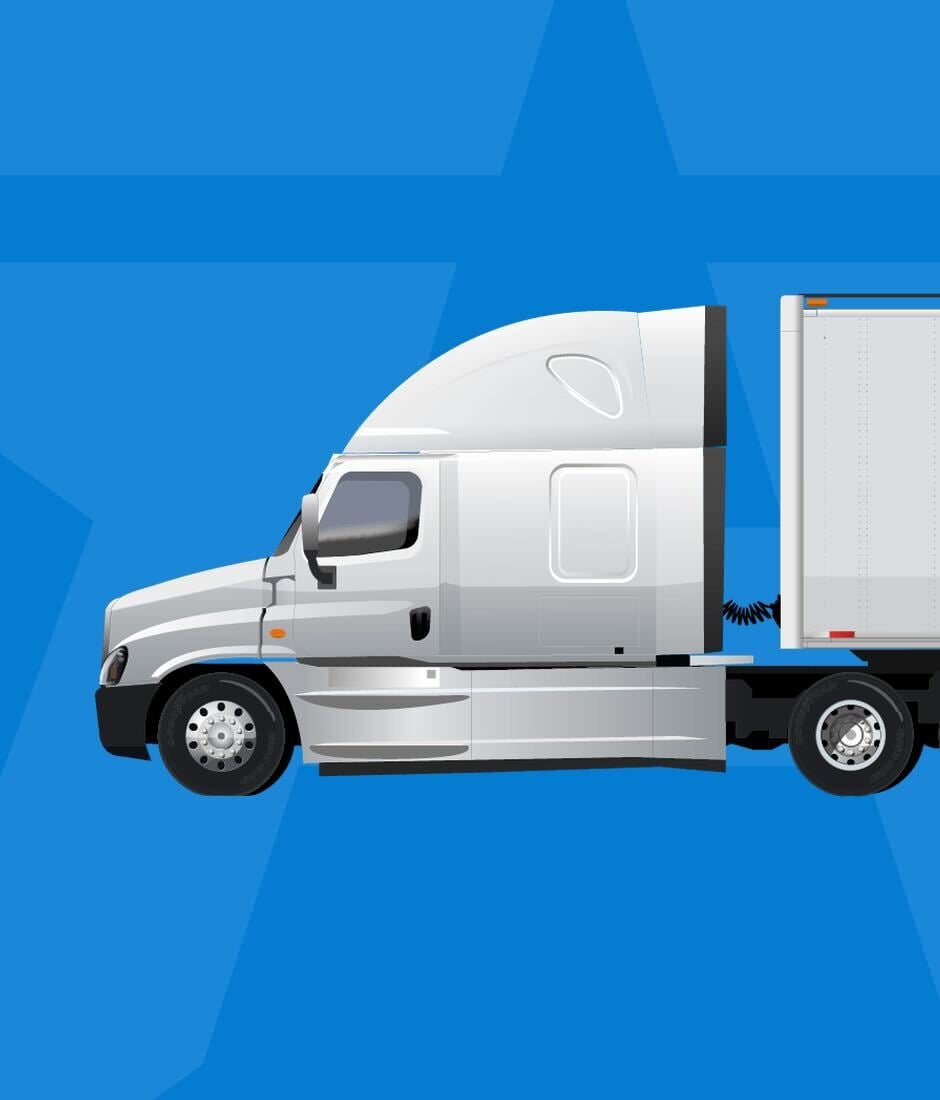
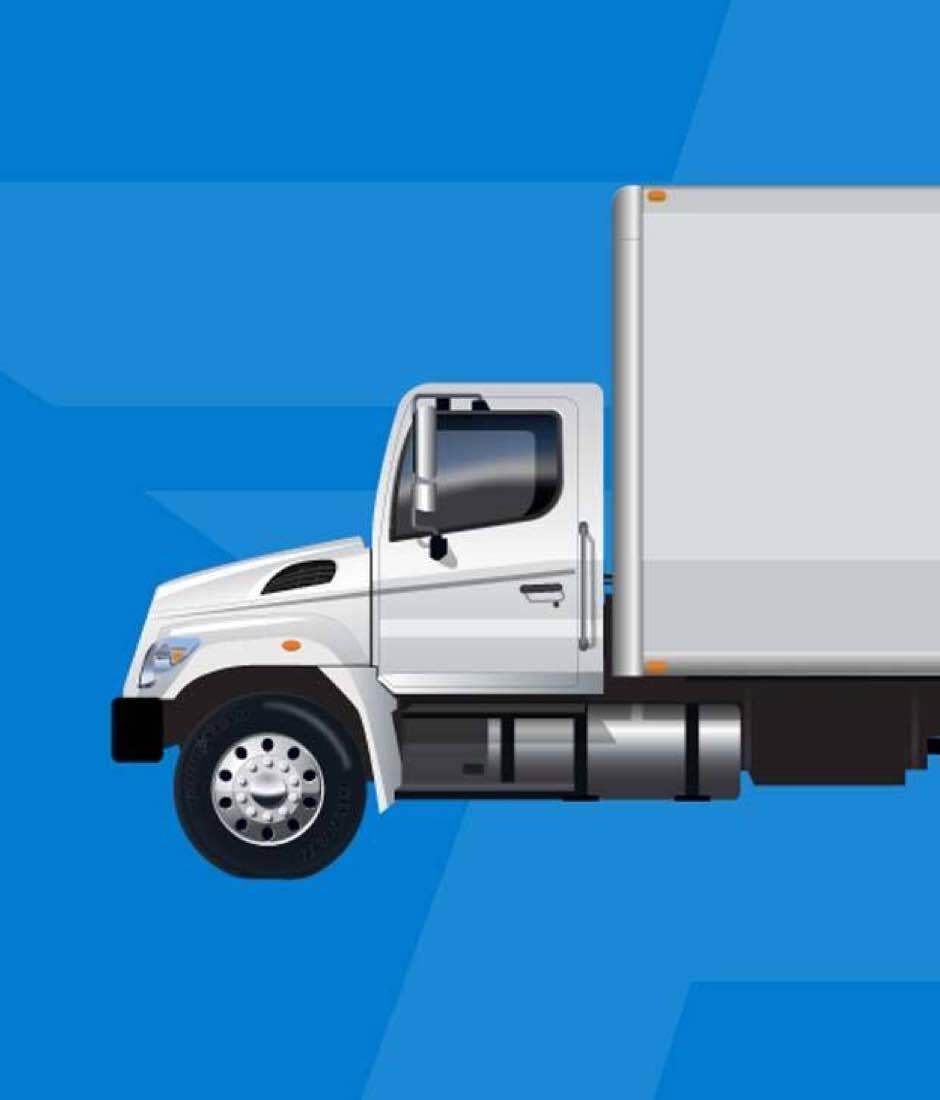
These three trucks cover most of the freight 3PLs and their customers need moved fast. The next section explains what third party logistics covers and where trucking fits in it.

URGENT ORDERS sprinter-vans

Sprinter Vans

A cargo van carries up to 3,000 lbs of parts or cartons straight from the warehouse to the customer. It suits small orders that miss the scheduled carrier. Vans can often pick up within hours of your call. They keep freight locked and dry the whole way.

Sprinter Van Services about Urgent orders
STORE AND DEALER DELIVERIES box-trucks

Box Trucks

A 12 to 16 ft box truck takes a handful of pallets, up to 5,000 lbs. Many have a liftgate for stores, dealers and sites without a dock. Box trucks fit most commercial docks and many curbside deliveries. They suit restocks for stores and dealer networks.

Box Truck Services about Store and dealer deliveries
FULL WAREHOUSE TRANSFERS 53-ft-dry-vans-1

53' Dry Vans

A 53 ft dry van moves up to 42,000 lbs of palletized stock between warehouses, plants and distribution centers. It runs as a dedicated truck, dock to dock. Dry vans also suit transfers when inventory has to be repositioned quickly. On long runs, two drivers can keep the truck moving.

Dry Van Services about Full warehouse transfers
For sale This domain is available

3rdpartylogistics.com

3rdpartylogistics.com is the exact-match .com for “3rd party logistics”, a search with about 22,200 queries a month. It points to AirFreight.com today and transfers through GoDaddy.

Exact match keyword
3rd party logistics
Searches / mo
22,200
CPC
$22.81

Buy it now for

$500,000

Listed on
GoDaddy
Domain
3rdpartylogistics.com
View listing
Workers on a factory floor
Why it matters

One piece or the whole chain

A 3PL can run one part of your logistics or all of it, from storage to final delivery.

3PL basics What it covers

What third party logistics really covers

Whether your priority is storage, order fulfillment or moving freight, a 3PL remains one of the most practical ways to hand off logistics work. A third party logistics provider is an outside company that runs some or all of that work for you. Services usually include warehousing, inventory management, pick and pack, transportation and returns.

The term often brings online orders to mind, yet much of what 3PLs handle is business freight. Manufacturers use them to stage parts near a plant. Distributors use them to store pallets and ship to dealers. Contractors use them to get materials to a job site on schedule.

Aerial view of a truck driving on the road
Two models

Asset or non-asset

An asset 3PL hauls with its own trucks. A non-asset 3PL books the right truck for each load.

Freight side Who hauls it

Who actually hauls your freight

When you need a load moved, a 3PL gives you a truck in one of two ways. An asset-based 3PL owns trucks and employs drivers, so it hauls much of your freight itself. A non-asset 3PL owns no trucks and books licensed carriers for each load, much like a freight broker.

Each model has its strengths. An asset fleet works well for steady lanes on a fixed schedule. A non-asset provider can choose from many trucks, which helps when a load needs a hot shot, a flatbed or a dry van today. The big parcel carriers and online retailers sit in both camps, since they own fleets and also sell logistics services.

HotShotTrucking.com works the non-asset way, as a licensed freight broker. We provide access to hot shot trucks, straight trucks and full truckloads to support both planned and urgent loads. A licensed carrier hauls your freight, and one dispatcher keeps you updated from pickup to delivery.

Who does what in a shipment

Carrier, broker, 3PL or 4PL compared

Read across to see who owns the trucks, who books them and who manages the whole chain. HotShotTrucking.com works as a freight broker, booking a dedicated truck and one dispatcher for each load.

Carrier Hauls the freight Freight Broker Arranges the move Asset-based 3PL Fleet plus logistics Non-asset 3PL Manages hired carriers 4PL Manages the 3PLs
Owns the trucks Yes: Runs its own fleet No: Books licensed carriers Yes: Owns much of its fleet No: Hires carriers for each load No: Manages providers instead
Books trucks for you Sometimes: Only its own trucks Yes: Matches a truck to each load Yes: Own fleet first, then others Yes: Books from many carriers Sometimes: Through the 3PLs it manages
Manages warehousing No: Transportation only No: Transportation only Sometimes: Often, at its own sites Sometimes: Some offer storage Yes: Oversees the whole chain
Single point of contact Yes: Its own dispatch desk Yes: One dispatcher per load Sometimes: Depends on the account Sometimes: Depends on the account Yes: One lead for every provider
Handles urgent same-day loads Sometimes: If a truck is free nearby Yes: Can book a dedicated truck Sometimes: Fleet runs on set schedules Sometimes: Possible, but built for volume No: Built for long-term programs
Manages other providers No: Hauls its own loads No: Arranges single shipments Sometimes: Sometimes subcontracts loads Yes: Coordinates many carriers Yes: Manages 3PLs and carriers
Best when You run a regular lane A load needs a truck now Freight runs on steady schedules You want flexible capacity You outsource the whole supply chain

Carrier

Hauls the freight
Owns the trucks
Yes: Runs its own fleet
Books trucks for you
Sometimes: Only its own trucks
Manages warehousing
No: Transportation only
Single point of contact
Yes: Its own dispatch desk
Handles urgent same-day loads
Sometimes: If a truck is free nearby
Manages other providers
No: Hauls its own loads
Best when
You run a regular lane

Freight Broker

Arranges the move
Owns the trucks
No: Books licensed carriers
Books trucks for you
Yes: Matches a truck to each load
Manages warehousing
No: Transportation only
Single point of contact
Yes: One dispatcher per load
Handles urgent same-day loads
Yes: Can book a dedicated truck
Manages other providers
No: Arranges single shipments
Best when
A load needs a truck now

Asset-based 3PL

Fleet plus logistics
Owns the trucks
Yes: Owns much of its fleet
Books trucks for you
Yes: Own fleet first, then others
Manages warehousing
Sometimes: Often, at its own sites
Single point of contact
Sometimes: Depends on the account
Handles urgent same-day loads
Sometimes: Fleet runs on set schedules
Manages other providers
Sometimes: Sometimes subcontracts loads
Best when
Freight runs on steady schedules

Non-asset 3PL

Manages hired carriers
Owns the trucks
No: Hires carriers for each load
Books trucks for you
Yes: Books from many carriers
Manages warehousing
Sometimes: Some offer storage
Single point of contact
Sometimes: Depends on the account
Handles urgent same-day loads
Sometimes: Possible, but built for volume
Manages other providers
Yes: Coordinates many carriers
Best when
You want flexible capacity

4PL

Manages the 3PLs
Owns the trucks
No: Manages providers instead
Books trucks for you
Sometimes: Through the 3PLs it manages
Manages warehousing
Yes: Oversees the whole chain
Single point of contact
Yes: One lead for every provider
Handles urgent same-day loads
No: Built for long-term programs
Manages other providers
Yes: Manages 3PLs and carriers
Best when
You outsource the whole supply chain

Summarised for U.S. domestic truck freight; individual providers vary.

Worker loading a truck
Start here

It begins with a tender

Addresses, dimensions, weight, pickup window and handling needs. A signed proof of delivery closes the file.

How it works Tender to delivery

How a load moves through a 3PL

A load tender is the request that starts every managed truck shipment, more detailed than a rate check but lighter than a contract. It lists the pickup and delivery addresses, the dimensions and the weight. It also gives the pickup window and any special handling, such as a liftgate or a delivery appointment.

From there, the 3PL matches the load to a carrier, books the truck and passes along the pickup details. The driver collects the freight, the provider tracks it in transit, and a signed proof of delivery closes the file. In a large network, each of those steps can mean another desk and another person to call.

This process works well for pallets, crates, machinery and other freight that ships on a plan. HotShotTrucking.com matches the right truck to your load and your deadline. You deal with one dispatcher, and every shipment is monitored from pickup to drop-off.

How a managed load moves

From tender to delivery, step by step

Most managed truck shipments follow the same six steps. Knowing them helps you prepare the right details and know who to call at each stage.

  1. 01

    Share the shipment details

    Send the pickup and delivery addresses, the dimensions, the weight and what the freight is. Add your pickup window and anything special, such as a liftgate, an appointment or a loading dock.

    • Dims and weight
    • Pickup window
    • Special handling
  2. 02

    Get a rate and truck match

    The provider matches your load to the right equipment, such as a hot shot, a straight truck or a dry van. You see and confirm the rate before anything is booked.

    • Equipment type
    • Rate confirmation
  3. 03

    Book and dispatch

    Once you approve, the truck is booked and dispatched to your pickup. You receive a confirmation with the pickup details and a contact to call with questions.

    • Load confirmation
  4. 04

    Load at pickup

    The driver arrives within your window and checks the freight against the paperwork. The bill of lading is signed before the truck leaves your dock.

    • Bill of lading
  5. 05

    Track it in transit

    Location updates come back to your contact as the truck moves. HotShotTrucking.com keeps one dispatcher on your load and tells you right away if anything changes on the road.

  6. 06

    Deliver and confirm

    The receiver signs for the freight at delivery. A proof of delivery with the signature and time is sent to you, which closes out the shipment.

    • Proof of delivery
53 ft dry van truck
Why it matters

Cost follows the layers

Every layer of management between you and the truck adds its own share of the cost.

3PL cost What drives it

What drives the cost of a 3PL

While a 3PL adds a fee on top of the haul, it is often more practical than an in-house shipping team for steady, recurring freight. Providers usually charge in a few ways. Transportation is typically priced per load, with the provider's margin built into the rate. Warehousing adds storage and handling fees, and some 3PLs add a management fee for running the whole program.

On the freight itself, distance, weight and size, the type of truck and how soon you need it all affect the cost.

This makes a full 3PL contract a practical alternative to in-house logistics when volume is steady but hiring a team is unrealistic. Smaller shippers with occasional loads often do better paying per shipment. HotShotTrucking.com quotes each load as it comes, and one dispatcher manages it from start to finish.

Logistics costs by the numbers

Logistics costs by the numbers

7.8%

of US GDP spent on business logistics in 20251

What it means for you

Logistics is one of the biggest costs in the US economy, and transportation makes up most of it. For a shipper, every choice about how a load moves, and how many layers manage it, shows up on the bottom line. Matching the truck to the urgency of the load helps keep that cost where it belongs.

30.4%

of US logistics costs are inventory carrying costs2

$11.5 billion

in trucking productivity lost to driver detention in 20233

Trucks waiting at docks lose hours across the industry, and those delays find their way into freight costs and missed delivery windows.

$2.3 million

cost of one hour of downtime at a large automotive plant4

When a plant stops for one missing part, the cost of waiting quickly outweighs the cost of sending a dedicated truck.

Straight truck
Good to know

Planned freight versus urgent freight

A 3PL suits steady, scheduled loads, while a direct truck suits freight that cannot wait.

Urgent freight When to use it

When urgent freight needs a direct truck

Skip the terminals and transfers when a load cannot wait. We dispatch one dedicated truck that drives your freight straight from pickup to delivery.

A managed network is built for planned freight. It works best when loads repeat on a schedule and a day either way does not matter. It struggles with a line-down part, a missed connection or a same-day deadline, because each handoff and each desk adds time.

Direct drive removes those handoffs, which shortens the trip and cuts the risk of a pallet getting lost at a dock. Your shipment stays with one driver and one truck from your dock to final delivery. HotShotTrucking.com gives you one dispatcher who tracks the load and keeps you informed until it is signed for. Tell us what you need to move, and we'll handle the rest.

Need a Truck for an Urgent 3PL Load?

Watch on YouTube
Broker or logistics partner?
Episode 8 Aug 17, 2026 24 min

The Real Difference Between a Broker and a Logistics Partner

John Mark Peterson, one of AirFreight.com's top expediting agents, joins Kevin Carpenter to talk about what it's really like inside a traditional truckload brokerage, and why he left it behind. From "boiler room" sales culture to carrier accountability to what happens when a shipment is actually time critical, John Mark breaks down the differences most customers never see.

They cover the vetting process behind AirFreight.com's carrier pool, why "somewhat time critical" doesn't mean the same thing everywhere, and how a company built for the most urgent loads operates differently from a volume-driven brokerage. The episode closes with a fast round of personal questions on the On Air Gauntlet.

EXPEDITED FREIGHT

EXPEDITED FREIGHT EXPLAINED

Expedited freight is the option for loads that cannot wait on a scheduled network. See what it is, how a dedicated truck moves freight straight from pickup to delivery, when it makes sense and which vehicles fit different loads. It is the practical choice when a 3PL schedule is too slow for your shipment.

From the podcast

Broker or logistics partner: the real difference

ON AIR is a short interview podcast with people who work inside emergency freight and expedited shipping. In this episode, an experienced expediting agent describes life inside a traditional truckload brokerage and why the guest left it behind. The talk covers sales culture, carrier accountability and what changes when a shipment is truly time critical.

HotShotTrucking.com puts that thinking to work, with one dispatcher who books, tracks and reports on every urgent load.

Episode 8

The Real Difference Between a Broker and a Logistics Partner

Aug 17, 2026 · with John Mark Peterson

Play episode Opens on YouTube · 24:15

Third Party Logistics Questions Answered

How does a 3PL differ from a freight forwarder?

A freight forwarder organizes shipments, usually international ones, and often takes responsibility for the cargo under its own paperwork. Forwarders book space with ocean lines, airlines and trucking companies, prepare export documents and work with customs brokers at the border. A 3PL is a broader term. It can cover warehousing, inventory, fulfillment and domestic transportation, with or without any international work. Many large 3PLs run a forwarding division, and many forwarders offer warehousing, so the two overlap. A simple way to tell them apart is the starting point. A forwarder starts with moving cargo across borders, while a 3PL starts with running some part of a company's logistics on an ongoing basis.

How does a 3PL differ from a freight broker?

A freight broker arranges individual shipments. It takes a load from a shipper, finds a licensed carrier with the right truck, agrees a rate and manages the move until delivery. A broker does not store goods or run inventory. A 3PL may do all of that brokerage work as one part of a wider service, alongside warehousing, order fulfillment and returns. Many 3PLs hold broker authority for the transportation side of their business. The practical difference is scope and commitment. Shippers often use a broker load by load, whenever they need a truck. They tend to sign with a 3PL for an ongoing program that covers more than freight.

What is a 4PL?

A 4PL, or fourth party logistics provider, manages the logistics providers rather than the freight itself. It sits between a company and its 3PLs, carriers and warehouses. It designs the supply chain, chooses the providers and measures how they perform. Some people call it a lead logistics provider. A 4PL usually owns no trucks or warehouses. It works on long-term contracts and often uses its own planning and visibility software across every provider it oversees. Large manufacturers and retailers with complex supply chains across several regions are the typical users. A company with a few lanes or a single warehouse rarely needs one, because a 3PL or a broker can handle that work directly.

Are large parcel carriers considered 3PLs?

Large parcel carriers are carriers first. They own aircraft, trucks, sort hubs and delivery vans, and they move small packages through their own system. Most of the big ones also run logistics divisions that sell warehousing, fulfillment, freight brokerage and supply chain services to other companies. Those divisions work as 3PLs. So a major parcel carrier is both: an asset-heavy carrier for parcels, and a 3PL through its logistics arm. For a shipper, the useful question is which part of the company would handle the freight. A parcel network suits boxes that can travel through hubs. A pallet, a crate or a machine on a deadline usually needs a truck of its own.

Is a large online retailer a 3PL or a 4PL?

A large online retailer that stores and ships goods for outside sellers is acting as a 3PL for those sellers. It receives their inventory into its warehouses, picks and packs each order, delivers it and handles returns. Some retailers have also built their own trucking, air and delivery fleets, so they act as carriers too. They are not usually called a 4PL, because a 4PL manages other logistics providers on a client's behalf rather than running the warehouses itself. For a seller, a retailer's fulfillment program is a 3PL tied to one sales channel. Businesses that sell through many channels often add an independent 3PL so their logistics are not tied to one platform.

What kinds of companies are the largest 3PLs in the United States?

The largest 3PLs in the United States fall into a few groups. Some are global freight forwarders with big domestic brokerage and contract logistics businesses. Some started as truckload brokers and grew into full 3PLs with managed transportation and warehousing. Others are the logistics arms of parcel carriers, ocean lines or trucking fleets. A last group focuses on contract warehousing and ecommerce fulfillment. Industry analysts publish yearly rankings by gross logistics revenue, and the same few names tend to sit near the top. Size tells you about scale and coverage. It tells you less about how a single urgent load is handled, which depends on who answers the phone and which truck is sent.

Can a 3PL handle expedited or same-day freight?

Many 3PLs can arrange expedited freight, but their systems are usually built for planned volume. Loads are consolidated, routed through terminals or matched to trucks already heading that way, which keeps costs down on regular freight. An urgent load works differently. It needs one truck sent straight to the pickup, a driver who goes directly to the delivery address and someone watching it the whole way. Some 3PLs keep an expedited desk for this. Others pass the load to a specialist. Expedited freight brokers such as HotShotTrucking.com focus on this kind of move, dispatching a dedicated hot shot, straight truck or van so the freight is not waiting on a schedule.

How does a company become a 3PL provider?

Becoming a 3PL starts with choosing which services to offer, such as freight brokerage, warehousing or fulfillment. For interstate freight, a broker or carrier needs a USDOT number and operating authority from the Federal Motor Carrier Safety Administration. Brokers also file a surety bond or trust fund and name process agents for each state. Carriers need their own insurance and equipment. Warehousing 3PLs need a facility, a warehouse management system and the staff to receive, store and ship goods. Most new providers also invest in a transportation management system, build relationships with carriers and start with a small group of customers in one industry or region before growing.

5.0 from 1,600+ reviews on

Load can't wait for a network? Get a dedicated truck moving.

Send us the pickup, delivery and freight details. A dispatcher matches the right truck to your load, books it and keeps you updated through delivery.

  • Reached out for a quote and received a response within 5 minutes from Chris Noe. Quick with responses and driver updates.

    Ryan
  • Worked with Todd and he made it happen. Called at 9:30am for a hotshot from Dallas to Waller TX. It was offloaded at 4:30pm. Great job!

    Kollin

Request a Quote

Step 1 of 3Origin and Destination Info

CTA Hero Star Background
TOP