

Large Straight Trucks
Expedited large straight trucks can deliver your urgent freight with reliability and precision.
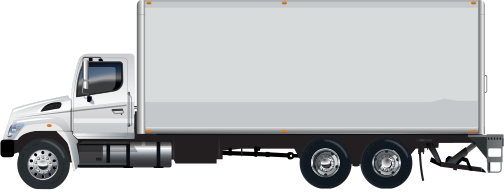

Our expedited ground network operates around the clock across the U.S., Canada, and Mexico, ready to dispatch a truck at any time.

Dedicated door-to-door service – your freight is the only cargo on the truck, with no intermediate stops or transfers.

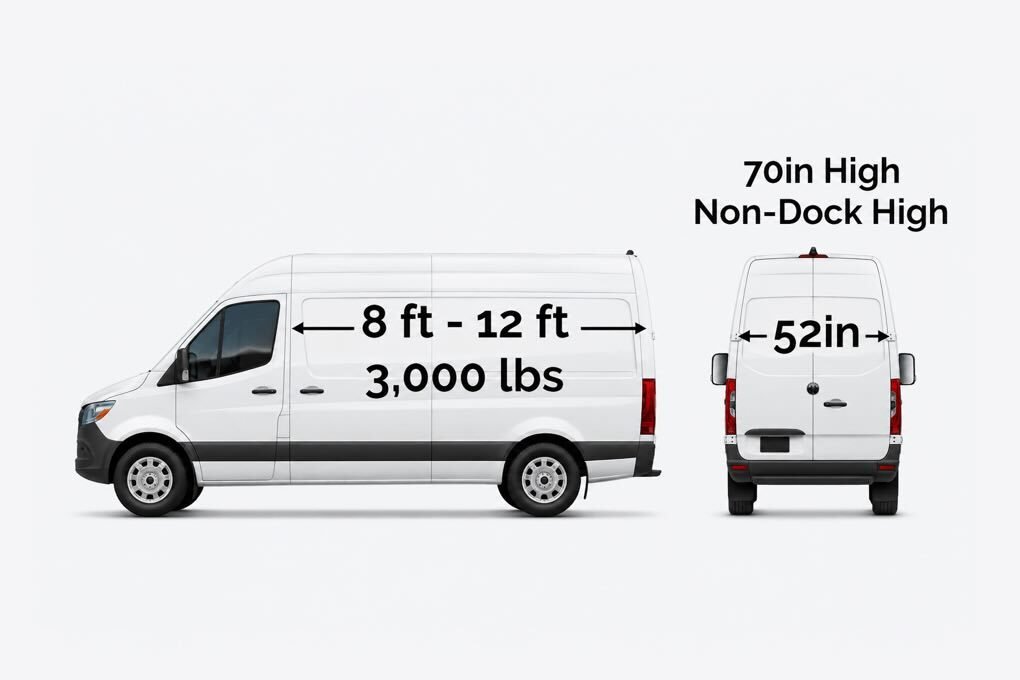
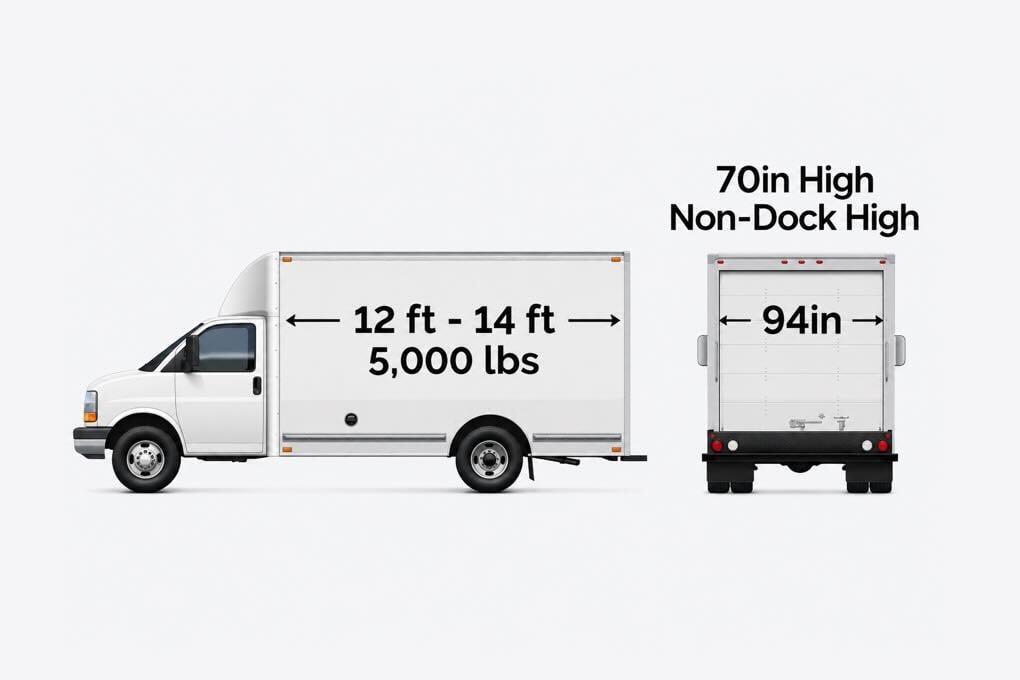
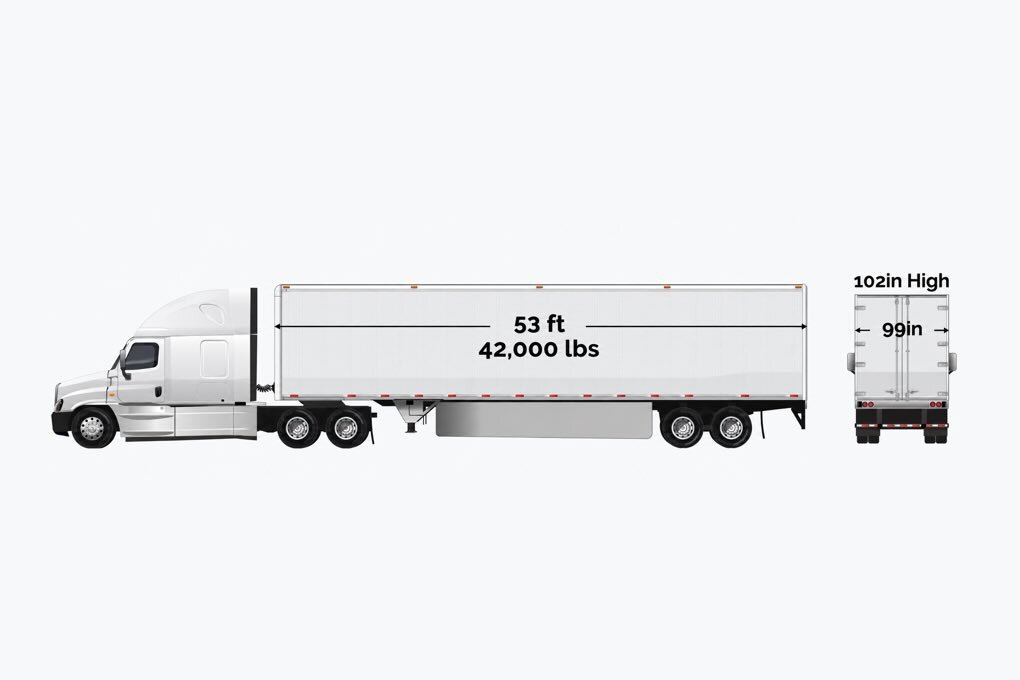
Equipment ranges from Sprinter vans and box trucks up to 53′ dry van trailers, handling loads from a single pallet to a full truckload.

Real-time GPS tracking and a single point of contact keep you constantly updated on your shipment’s progress.
Nationwide Expedited Freight on Straight Trucks, Sprinter Vans, and Tractor-Trailers — Delivered by HotShotTrucking.com.
KEY BENEFITS
The right straight truck, matched to your shipment, deployed on your timeline.
Our nationwide network puts straight trucks where your freight demands them, on your schedule. HotShotTrucking.com operates an integrated fleet of Sprinter vans, large straight trucks, and tractor-trailers, so you always get the fastest, right-sized solution without chasing multiple carriers. We match your shipment's weight, cube, and deadline to a dock-high straight truck equipped with a liftgate or pallet jack when speed and site accessibility matter most — whether that's a tight urban dock or an active job site. If ground timelines fall short, we pivot seamlessly to dedicated air charter while maintaining end-to-end visibility.
EXPLORE OUR COVERAGE



Large Straight Truck Advantages
- Types of Large Straightbed Trucks
- Cargo Capacity and Volume
- Standard Dock-Height Loading for Speed
- Superior Maneuverability
- Better Fuel Efficiency
- Long-Haul Capability
- To CDL Or Not To CDL
- Retail Event Freight
- Energy Sector Logistics
- Healthcare Supply Chain
- Construction Site Delivery
- Government and Defense
- Trade Show Logistics
- Industrial Equipment
- Straight Truck vs. LTL
Types of Large Straightbed Trucks
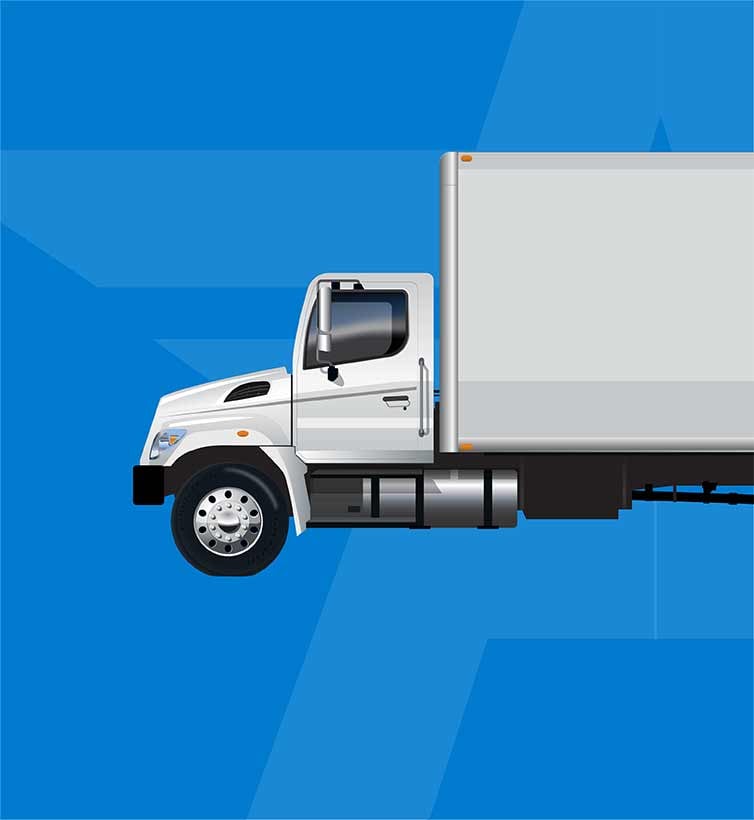
There are several types of large straight trucks, including models built by Isuzu, Hino, Freightliner, Ford, Peterbuilt, and Kenworth. This class of vehicles is extremely versatile and can carry significantly more freight compared to Sprinter vans and small box trucks, though not as much as a semi-trailer. Large straight trucks can also be fitted with refrigerators and freezers to haul temperature-sensitive freight or left completely empty for maximum volume. A large straight truck with sleeper compartment, or sleeper box truck, enables drivers to go further and longer, and even operate as part of a tag-team for non-stop driving.

Cargo Capacity and Volume
The typical large straight truck has a load capacity of up to 26,000 pounds (although this can vary between models) for a non CDL large straight truck and potentially up to 54,000 pounds for a CDL large straight truck.
A standard large box truck length is 26 feet long, including wheelbase and both rear and front overhang, and include cargo areas that range from six to eight feet high. This provides an incredible amount of shipping volume compared to what a Sprinter van or small box truck can provide. For example, A 26-foot large straight truck can fit up to 12 pallets – and that is before double-stacking.

Standard Dock-Height Loading for Speed
This greater capacity, while not as much as a semi-tractor trailer, is actually an advantage since many municipalities strictly regulate the weight and size of trucks that drive over bridges and overpasses, and through neighborhoods. As a result, most semi-trucks are too high or weigh too much for older, narrower roads and bridges.
One strategy to avoid these restrictions is actually to offload freight from a semi and onto a large straight truck for the last segment of a delivery. Large straight trucks do reach standard loading dock height, which can expedite loading and unloading. However, the side doors on some models can also make accessing and unloading freight easier. HotShotTrucking.com ensures all of these details are taken into consideration when deciding if a large straight truck is right for your shipment.

Superior Maneuverability in Tight Spaces
Despite their generous capacity, large straight trucks are far more maneuverable than a 53-foot tractor trailer service operation. Because they are a single unit (with no separate trailer) and shorter in length, straight trucks can navigate through congested city streets, narrow industrial park roads, and tight loading zones with relative ease.
Expedited freight often needs to go directly to final destinations that aren’t truck-friendly – think of downtown business districts, hospitals, construction sites, or retail locations with limited unloading space. A big 53′ semi might struggle or be outright prohibited in these environments, but a 24–26′ straight truck can often slip through traffic and back into smaller docks or parking lots without issue.

Better Fuel Efficiency and Cost-Effectiveness
Running a large straight truck is generally more fuel-efficient and cost-effective than deploying a full-size tractor-trailer for moderate loads. Straight trucks have smaller engines and lighter gross weights than Class 8 semis, which means they burn less fuel per mile. They also incur lower maintenance and operating costs. For shippers, this can translate into more economical pricing for an expedited run. If your urgent load doesn’t fill a 53′ trailer, using a straight truck avoids paying for unused capacity. Why send a giant half-empty truck when a right-sized vehicle can do the job more efficiently?

Long-Haul Capability with Continuous Operation
Large straight trucks are not limited to local hops – they are fully capable of long-haul, interstate transport for urgent freight. Many straight trucks can be spec’d with a sleeper cab or at least room for team drivers, allowing for nearly continuous operation on cross-country runs. In an expedited shipping scenario, carriers often employ two-driver teams who can switch off driving duties without lengthy stops, keeping the truck moving day and night. Even solo drivers can take advantage of sleeper berths to rest while staying with the freight, minimizing downtime. This means that a critical shipment can travel hundreds or even thousands of miles non-stop by ground, often arriving faster than it would through standard freight or even comparable to air freight transit times for certain distances. With a sleeper-equipped straight truck and a team, a delivery from Los Angeles to Dallas can be in motion virtually without breaks.

To CDL Or Not To CDL
Large straight trucks, regardless of equipment and capabilities, can be divided into two broad categories, with the main difference being how much freight it can carry. A commercial driver’s license (CDL) is required for vehicles with a gross vehicle weight rating (GVWR) of 26,001 pounds or more. This means that you can have both a non CDL large straight truck or a CDL large straight truck depending on the amount of freight being carried. This is why some operators without a CDL do not add additional equipment to their trucks, as this reduces the amount of total weight it can carry.
Whether an operator has or does not have a CDL does not make him or her a better or worse driver. A CDL simply dictates how much that operator can transport in a large straight truck. Operators who do not want to go through the process of obtaining a CDL simply haul up to 26,000 and no more. One advantage to this is it significantly expands the pool of available large straight truck drivers for moving freight. So based on the weight of your shipment, HotShotTrucking.com will find the right large straight truck with a fully screened and vetted CDL or non-CDL driver – and that’s another thing you don’t have to worry about when you work with HotShotTrucking.com.

Meeting Hard Retail Deadlines with Dedicated Straight Truck Service.
Grand openings, seasonal resets, and promotional launches run on fixed calendars that cannot slip. Straight trucks bridge the gap between the oversized capacity of a tractor-trailer and the limited payload of a Sprinter van, making them ideal for store-ready display units, fixtures, and packaged goods. A single dedicated vehicle travels directly from your distribution center to the store entrance, with liftgate service available for non-dock locations — ensuring your merchandise arrives floor-ready before the doors open.

Supplying Remote Energy Sites with Reliable Straight Truck Freight.
Oil fields, wind farms, and power generation facilities often sit far from major distribution hubs and operate around the clock. Straight trucks provide the right blend of payload capacity and accessibility to reach job sites that larger tractor-trailers cannot easily navigate. Our 24/7 dispatch team coordinates with your site managers on access restrictions, unloading equipment, and delivery windows — so critical parts and supplies reach your energy operation without interruption, keeping projects on schedule and reducing costly idle time in the field.

Expedited Straight Trucks for Urgent Medical and Healthcare Shipments
Hospitals, medical device distributors, and healthcare networks depend on uninterrupted supply chains where delays carry real consequences. Straight trucks offer the cargo volume needed for large medical equipment, bulk consumables, or urgent replenishment orders — while remaining agile enough to access hospital loading docks and clinical facilities. With dedicated vehicles, a single point of contact, and continuous tracking, HotShotTrucking.com keeps healthcare supply chains moving when standard freight options fall short.

Straight Trucks Built for Expedited Construction and Jobsite Freight
Construction timelines leave no room for delayed materials. Straight trucks equipped with liftgates and pallet-jacks can access active job sites, tight urban construction zones, and locations without traditional dock infrastructure. Whether you need fasteners, structural components, specialty hardware, or finishing materials moved on a same-day or next-day basis, our nationwide network of straight trucks keeps your crew working and your project on schedule without the overhead of a full tractor-trailer move.

Straight Truck Solutions for Government and Defense Freight
Government agencies and defense contractors operate on strict delivery windows where delays are not acceptable. A dedicated straight truck provides the payload capacity and direct routing needed to move sensitive equipment, supplies, and components between facilities, bases, and project sites on a controlled, point-to-point basis. HotShotTrucking.com dispatches 24/7, assigns a single expeditor to coordinate every leg, and delivers real-time visibility so procurement and logistics officers always have the status information they need to keep operations moving without interruption.

Straight Truck Freight for Trade Shows and Exhibitions
Trade show deadlines are immovable — a missed setup window can cost exhibitors their entire show presence. A dedicated straight truck offers the cargo volume to haul displays, equipment, and promotional materials in a single load while providing the maneuverability to navigate convention center docks and urban venues efficiently. HotShotTrucking.com coordinates pickup, transit, and on-site delivery with a single point of contact who monitors every milestone, so your booth materials arrive intact, on time, and ready for setup without the uncertainty of shared freight services.

Moving Industrial Equipment by Straight Truck
Manufacturers and plant operators facing equipment failures or urgent production restarts need freight capacity that can be deployed fast and delivered direct. A large straight truck bridges the gap between small van capacity and the lead times associated with full tractor-trailer arrangements, making it the practical choice for heavy components, tooling, and machinery parts that must reach a production floor quickly. HotShotTrucking.com stages equipment near industrial corridors nationwide and provides around-the-clock dispatch so critical parts move the moment they are ready.

Why a dedicated straight truck outperforms shared LTL freight.
LTL shipments share trailer space with other freight, creating multiple transfer points, longer transit windows, and elevated damage risk. A dedicated straight truck moves your cargo directly from origin to destination on a single vehicle, with no cross-docking and no co-mingling with other shippers' loads. For time-critical or high-value freight, that direct, exclusive service is the difference between meeting a production deadline and missing it. HotShotTrucking.com dispatches dedicated straight trucks around the clock to eliminate the delays built into shared freight networks.

Oil & Gas
The oil and gas industry often operates in remote fields and on tight timelines, making hot shot trucking a staple of its supply chain. The ability to deliver heavy, rugged cargo directly to a remote rig, day or night, is why oil and gas companies rely on expedited straight truck services to keep the oil flowing and avoid multi-million-dollar losses.

Technology
Technology companies often need rapid shipping of electronics, servers, and hardware to meet critical deadlines. Expedited straight trucks protect delicate, high-value equipment while ensuring fast delivery to data centers, retail stores, or end customers. This speed is especially important during new product launches and hardware rollouts.
Automotive
The automotive industry depends on just-in-time supply chains, where even a single delayed part can halt an assembly line. Every hour of downtime adds up quickly. That’s why we’ve deployed straight trucks to rush essential electronics, engine components, and tooling equipment to factories, ensuring assembly lines get back on track.
Construction
Construction firms utilize large straight trucks for expedited delivery of building materials, machinery components, and supplies to job sites. Whether it’s pallets of lumber, steel beams, or a replacement part for a bulldozer, a straight truck can weave through city streets or navigate into semi-developed sites.

Manufacturing
Manufacturing companies frequently operate on just-in-time inventory principles, which means they depend on fast logistics when surprises happen. A large straight truck can haul everything from replacement machine motors to bulk raw materials directly into a factory’s loading dock within hours.

Aerospace & Defense
Aerospace manufacturers and defense contractors deal with high-value, precision components that often have zero room for delay. These industries use expedited straight trucks to ship jet engine parts, avionics, satellite components, and even munitions or defense systems on tight deadlines.
Machinery
Large straight trucks transport time-sensitive machinery parts and heavy equipment components to factories and construction sites. Their capacity and liftgate options make them ideal for delivering oversized or palletized freight quickly and securely.
Mining
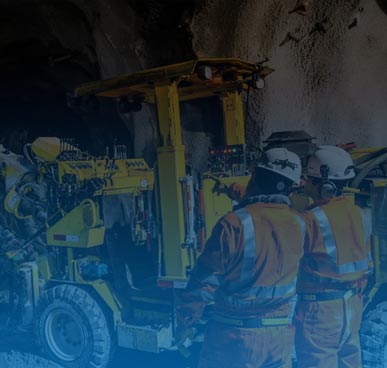
In the mining and metals sector, straight trucks deliver urgently needed repair parts, drilling tools, and safety equipment to remote mining sites. Their ability to navigate rugged areas while carrying heavy loads ensures operations avoid costly downtime.

Telecommunications
Telecommunications companies use large straight trucks to expedite delivery of cable reels, network servers, and tower components. The trucks provide the speed and reliability needed to restore service after outages or to meet tight installation deadlines.

Expedited Trucking Excellence: Explore Our Resource and Blog Section
HotShotTrucking.com is a leader in the hot shot trucking industry. Our blog and resource section offers information and resources to improve your logistics strategy.


Wherever You Need Us, You'll Find Us
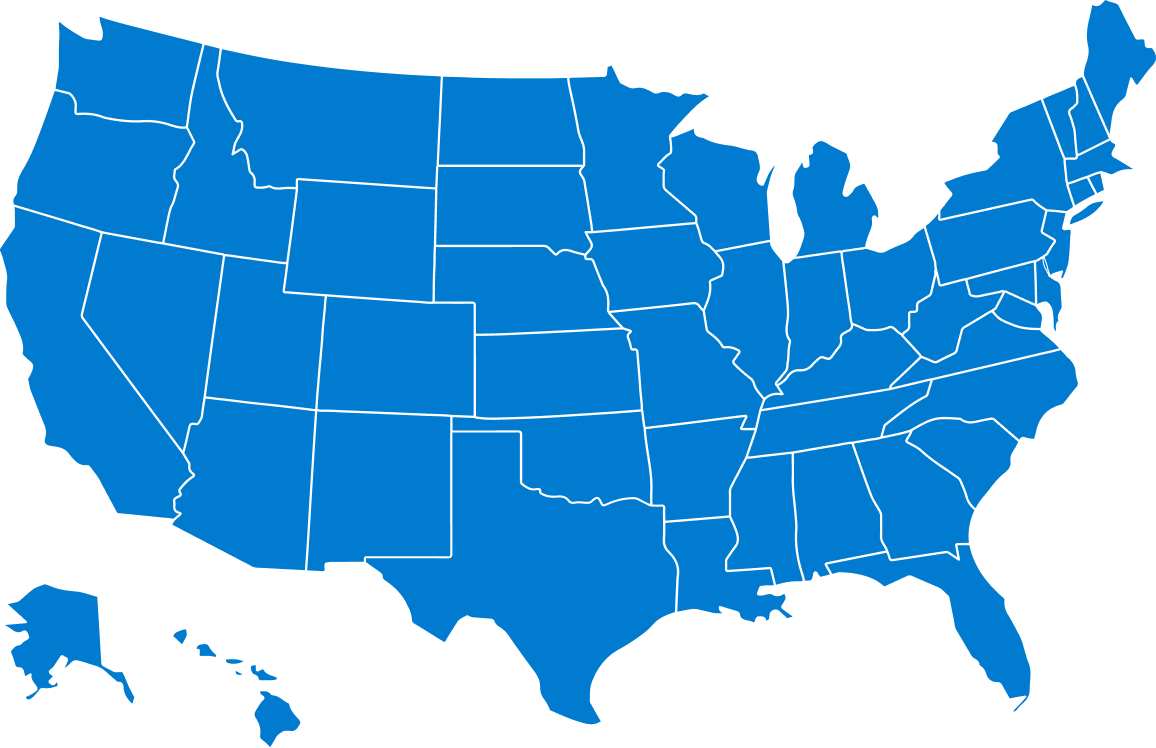
We're proud to serve customers across the United States with custom shipping solutions designed to meet urgent needs. Browse by state to view services in your area.
AREAS WE SERVICE
Alabama
(205) 453-1955
 Alabama
Centered around Birmingham, Huntsville, and Mobile, Alabama is known for aerospace, automotive, and advanced manufacturing. Its competitive business climate and skilled workforce support efficient operations and long-term investment.
Hot Shot Trucking AlabamaAlaska
(907) 331-6911
 Alaska
Alaska’s location supports time-sensitive shipments for oil, fishing, and remote resource development. We offer custom shipping and delivery access through Anchorage, Fairbanks, and coastal hubs.
Hot Shot Trucking AlaskaArizona
(623) 252-0101
 Arizona
Phoenix, Tucson, and Mesa anchor Arizona’s expanding economy, with strengths in technology, aerospace, and clean energy. A business-friendly environment and consistent population growth attract a range of enterprises.
Hot Shot Trucking ArizonaArkansas
(314) 269-1222
 Arkansas
Little Rock and Fayetteville support Arkansas’s economy, known for its concentration in retail, agriculture, and transportation. The state’s central location and affordable business costs appeal to companies serving national markets.
Hot Shot Trucking ArkansasCalifornia
(323) 648-3500
 California
Explore time-critical shipping coverage across Los Angeles, San Francisco, San Diego, and the Central Valley. California leads the nation in technology, entertainment, agriculture, and global trade connections.
Hot Shot Trucking CaliforniaColorado
(720) 262-8998
 Colorado
Denver, Boulder, and Colorado Springs contribute to Colorado’s strengths in aerospace, software development, and outdoor recreation. A well-educated population and strong quality of life continue to draw new businesses.
Hot Shot Trucking ColoradoConnecticut
(203) 936-6655
 Connecticut
Explore reliable delivery services for finance, insurance, and biotech sectors in Hartford, Stamford, and New Haven. Connecticut’s position between New York and Boston provides direct access to Northeast economic hubs.
Hot Shot Trucking ConnecticutDelaware
(302) 504-6044
 Delaware
Wilmington leads Delaware’s activity in finance, pharmaceuticals, and corporate services. Its streamlined incorporation process and favorable legal framework attract many national and international businesses.
Hot Shot Trucking DelawareDistrict of Columbia
(202) 644-8833
 District of Columbia
Located in the heart of the nation's capital, our Washington, D.C. hub specializes in urgent and highly sensitive shipments. We provide rapid delivery for government contractors and professional services firms, ensuring your cargo arrives securely and on time in this critical market.
Hot Shot Trucking DCFlorida
(786) 231-6700
 Florida
Florida’s major metros, Miami, Orlando, and Tampa, support thriving sectors like tourism, aerospace, and international trade. The state’s coastal access and tax-friendly policies are major draws for businesses of all sizes.
Hot Shot Trucking FloridaGeorgia
(678) 288-5005
 Georgia
With Atlanta, Savannah, and Augusta as key centers, Georgia is recognized for its contributions to film, manufacturing, and transportation. A well-connected infrastructure and growing tech scene make it a strong option for expansion.
Hot Shot Trucking GeorgiaHawaii
(808) 845-4577
 Hawaii
Honolulu anchors Hawaii’s economy, which includes tourism, defense, and sustainable agriculture. Its location in the Pacific enables unique access to Asian markets and renewable energy development.
Hot Shot Trucking HawaiiIdaho
(208) 577-6233
 Idaho
Idaho
Boise, Twin Falls, and Idaho Falls are central to Idaho’s growing sectors in agriculture, food processing, and tech. A low cost of living and supportive business policies encourage entrepreneurship and relocation.
Hot Shot Trucking IdahoIllinois
(773) 966-2800
 Illinois
Statewide shipping access, from Chicago to Springfield, supports manufacturing, agriculture, and related operations. Illinois offers a large talent base and strong connections to both national and global markets.
Hot Shot Trucking IllinoisIndiana
(317) 800-7222
 Indiana
Indianapolis, Fort Wayne, and Evansville contribute to Indiana’s manufacturing, life sciences, and agriculture industries. A central U.S. location and stable regulatory environment support long-term business growth.
Hot Shot Trucking IndianaIowa
(515) 954-7522
 Iowa
Iowa
Explore reliable shipping and delivery services in Des Moines, Cedar Rapids, and Davenport for agricultural products, insurance documents, and machinery. Iowa combines rural productivity with strong financial and tech sectors.
Hot Shot Trucking IowaKansas
(316) 633-7000
 Kansas
Kansas City, Wichita, and Topeka anchor Kansas’s industries in aviation, bioscience, and renewable energy. Low operational costs and a central geographic position benefit businesses with national reach.
Hot Shot Trucking KansasKentucky
(502) 230-4444
 Kentucky
Learn about custom delivery support for bourbon, healthcare products, and auto parts in Louisville, Lexington, and Bowling Green. Kentucky’s distribution networks and manufacturing legacy make it ideal for time-sensitive shipping.
Hot Shot Trucking KentuckyLouisiana
(504) 613-6666
 Louisiana
New Orleans, Baton Rouge, and Shreveport shape Louisiana’s focus on energy, shipping, and chemical production. Its access to the Gulf of Mexico and established port infrastructure offer critical trade advantages.
Hot Shot Trucking LouisianaMaine
(978) 662 - 2214
 Maine
Maine
Serving Portland, Bangor, and Augusta, we offer delivery options for marine products, healthcare, and specialty goods. Maine offers natural access to Canadian and Atlantic markets along with a strong quality-of-life appeal.
Hot Shot Trucking MaineMaryland
(800) 604-2511
 Maryland
Baltimore, Bethesda, and Frederick contribute to Maryland’s strengths in cybersecurity, biotech, and defense. Its proximity to federal agencies and top research institutions supports innovation and investment.
Hot Shot Trucking MarylandMassachusetts
(617) 934-7800
 Massachusetts
Supporting urgent deliveries in Boston, Cambridge, and Worcester, we ship pharmaceuticals, higher education, and R&D-driven goods. Massachusetts offers access to top-tier universities and leading-edge innovation hubs.
Hot Shot Trucking MassachusettsMichigan
(313) 887-0577
 Michigan
Detroit, Grand Rapids, and Ann Arbor form the backbone of Michigan’s automotive, mobility, and manufacturing sectors. A deep talent pool and commitment to innovation attract investment in advanced industries.
Hot Shot Trucking MichiganMinnesota
(763) 273-5444
 Minnesota
Explore custom delivery services for medical devices, retail, and food manufacturing across Minneapolis, St. Paul, and Rochester. Minnesota combines innovation with a strong corporate presence and a skilled labor force.
Hot Shot Trucking MinnesotaMississippi
(769) 553-4413
 Mississippi
Jackson, Gulfport, and Hattiesburg support industries like shipbuilding, agriculture, and manufacturing. Mississippi offers affordable business conditions and strategic access to southern U.S. markets.
Hot Shot Trucking MississippiMissouri
(314) 269-1222
 Missouri
Learn about shipping support across St. Louis, Kansas City, and Springfield for food processing, healthcare products, and life sciences. Missouri’s location and infrastructure support regional delivery and national service coverage.
Hot Shot Trucking MissouriMontana
(800) 604-2511
 Montana
Billings, Missoula, and Bozeman are central to Montana’s economy, which includes energy, agriculture, and tourism. The state offers wide open space, natural resources, and room for innovative rural development.
Hot Shot Trucking MontanaNebraska
(402) 909-0200
 Nebraska
Omaha, Lincoln, and Grand Island support Nebraska’s activity in finance, agriculture, and manufacturing. Its central location and skilled labor force provide dependable conditions for growth.
Hot Shot Trucking NebraskaNevada
(702) 583-6200
 Nevada
Las Vegas, Reno, and Henderson shape Nevada’s economy in hospitality, mining, and clean energy. The state’s tax structure and rapid population growth contribute to ongoing economic momentum.
Hot Shot Trucking NevadaNew Hampshire
(603) 782-0333
 New Hampshire
Manchester, Nashua, and Concord are economic hubs in New Hampshire, supporting healthcare, manufacturing, and tech. The state combines access to Boston markets with a lower tax burden.
Hot Shot Trucking New HampshireNew Jersey
(862) 236-3116
 New Jersey
Newark, Jersey City, and Princeton support New Jersey’s diverse economy in pharmaceuticals, finance, and logistics. Its proximity to major East Coast metros and deep talent base attract both startups and global firms.
Hot Shot Trucking New JerseyNew Mexico
(505) 886-0622
 New Mexico
New Mexico’s key cities, including Albuquerque, Santa Fe, and Las Cruces, help drive energy, aerospace, and scientific research. The state’s open land and national labs support innovation in advanced industries.
Hot Shot Trucking New MexicoNew York
(347) 514-9999
 New York
New York City, Buffalo, and Albany shape a broad economy in finance, media, and health sciences. With access to global markets and deep institutional resources, New York is a leader in commerce and innovation.
Hot Shot Trucking New YorkNorth Carolina
(919) 800-0339
 North Carolina
Charlotte, Raleigh, and Durham contribute to North Carolina’s leadership in banking, biotech, and manufacturing. A growing talent pool and strong research universities attract long-term investment.
Hot Shot Trucking North CarolinaNorth Dakota
(701) 212-1922
 North Dakota
North Dakota’s energy, agriculture, and technology sectors are supported by the state's metro areas, including Fargo, Bismarck, and Grand Forks. Low unemployment and stable growth create a welcoming climate for business development.
Hot Shot Trucking North DakotaOhio
(330) 648-0515
 Ohio
Ohio
Covering major cities like Columbus, Cleveland, and Cincinnati with tailored shipping solutions and reliable delivery networks. Ohio offers central access to the Midwest with leading industries in healthcare, manufacturing, and finance.
Hot Shot Trucking OhioOklahoma
(405) 445-7505
 Oklahoma
Providing custom shipping options throughout Portland, Eugene, and Salem, we deliver advanced tech and sustainable goods. Oregon's economy thrives on innovation in technology, clean energy, and advanced manufacturing.
Hot Shot Trucking Oklahoma
![]() Oregon
Oregon
With Portland at the forefront, Oregon has built a reputation for innovation in green energy, advanced manufacturing, and software. Its commitment to sustainability and quality of life draws both startups and global brands.
Hot Shot Trucking OregonPennsylvania
(215) 989-4444
 Pennsylvania
Supporting urgent deliveries and time-critical shipments includes cities such as Philadelphia, Pittsburgh, and Harrisburg. Pennsylvania connects East Coast markets with strengths in education, healthcare, and industrial manufacturing.
Hot Shot Trucking PennsylvaniaRhode Island
(800) 604-2511
 Rhode Island
Fast, flexible shipping supports marine products, healthcare, and design goods in Providence, Warwick, and Newport. Rhode Island’s coastal access and dense regional network support creative and technical industries.
Hot Shot Trucking Rhode IslandSouth Carolina
(803) 403-9055
 South Carolina
Custom shipping and delivery supports auto parts, aerospace components, and industrial goods in Charleston, Columbia, and Greenville. The state is known for its growing role in advanced manufacturing and exports.
Hot Shot Trucking South CarolinaSouth Dakota
(701) 212-1922
 South Dakota
Reliable delivery services operate in Sioux Falls, Rapid City, and beyond for agriculture, finance, and light manufacturing. South Dakota attracts business with no corporate income tax and a stable economic environment.
Tennessee
(615) 970-7100
 Tennessee
Time-critical shipping solutions serve Nashville, Memphis, and Knoxville for healthcare, automotive, and music-related goods. Tennessee offers access to key Southern markets with strong infrastructure and workforce programs.
Hot Shot Trucking TennesseeTexas
(972) 330-2000
 Texas
Texas
Custom shipping solutions for construction, manufacturing, oil & gas, and more support major cities, including Dallas and Austin. Enjoy Texas’ business-friendly climate, no state income tax, and prime location.
Hot Shot Trucking TexasUtah
(801) 784-1444
 Utah
Utah
Salt Lake City, Provo, and Ogden handle urgent shipments for the tech, finance, and recreation industries. Utah combines rapid economic growth with a skilled, youthful workforce and a strong startup culture.
Hot Shot Trucking UtahVermont
(800) 604-2511
 Vermont
Burlington and the surrounding areas support efficient delivery services for specialty foods, renewable energy systems, and small-scale manufacturing. Vermont promotes sustainability, community-based business, and green innovation.
Hot Shot Trucking VermontVirginia
(804) 886-3100
 Virginia
Richmond, Virginia Beach, and Arlington offer streamlined shipping and delivery access for defense, cybersecurity, and maritime goods. Virginia’s proximity to D.C. and educated workforce support both public and private sector growth.
Hot Shot Trucking VirginiaWashington
(206) 673-2900
 Washington
Seattle, Tacoma, and Spokane provide fast delivery and custom shipping for aerospace parts, tech products, and agricultural exports. Washington combines West Coast market access with a deep culture of innovation.
West Virginia
(804) 886-3100
 West Virginia
Charleston, Morgantown, and Huntington offer shipping options for energy, chemical, and forestry-related goods. West Virginia’s natural resources and infrastructure investments support long-term business activity.
Hot Shot Trucking West VirginiaWisconsin
(414) 973-8000
![]() Wisconsin
Wisconsin
Milwaukee, Madison, and Green Bay offer statewide shipping solutions for dairy, heavy equipment, and medical products. Wisconsin is known for its industrial strength and commitment to workforce development.
Hot Shot Trucking WisconsinWyoming
(800) 604-2511
 Wyoming
Cheyenne, Casper, and surrounding regions provide custom shipping support for energy and natural resource projects. Wyoming offers tax advantages and wide-open space for growing operations in mining, ranching, and energy.
Hot Shot Trucking Wyoming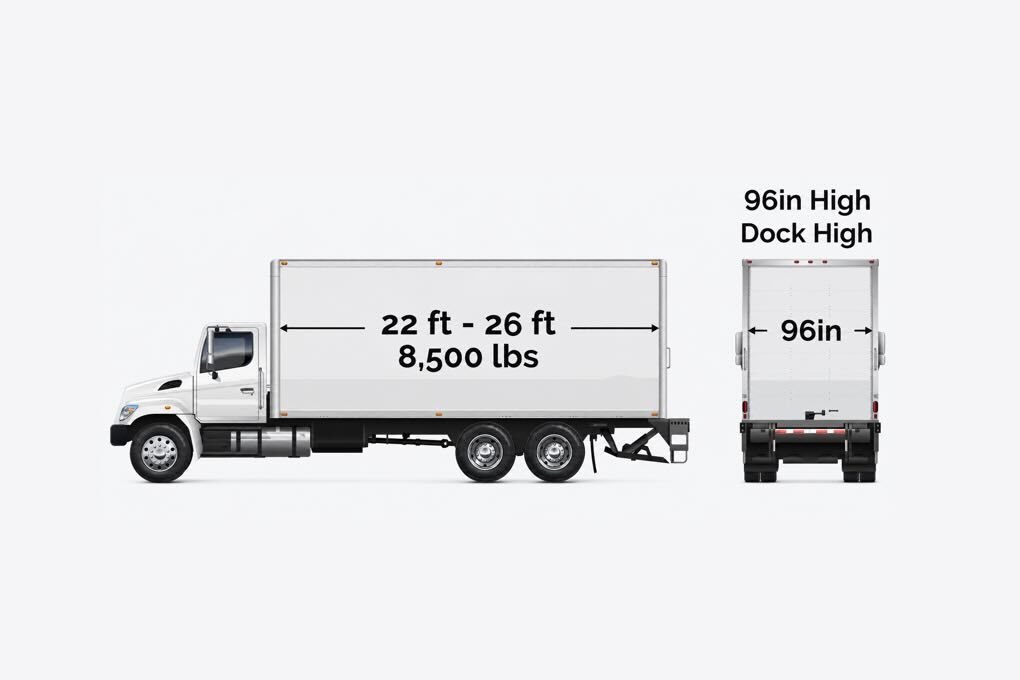
From critical shipments to ongoing support, see why businesses continue to choose HotShotTrucking.com






Very happy with the service provided.
Process to set up shipment and delivery was easy and they communicated the status of the shipment throughout the time the it was in transit. I would highly recommend.
Rachel
Rypos
Verified Review
Thank you Frank.
I called Frank around 1 pm, we had a transformer in the Los Angeles area that needed to be in Oregon the next day. They found a hot shot delivery 26 miles from the pickup location and, had it to our location in Oregon the next day at 7 am.
Glenn
PAC
Verified Review
Top notch service.
Big thank you to Todd and his team for making our VERY important delivery happen. The contact throughout the day and arriving right on time to the right dock couldn’t have gone smoother. The entire process was slick from beginning to end.
Royal Canin
Verified Review
First time using your service and was very happy.
Very happy with the fast response and help from Justin P. and our shipment arrived undamaged and in the timeframe I was told. I would recommend and I will refer other business to HotShotTrucking.com.
Anna
Richwood Investment Castings, Inc
Verified Review