Skip to content
5.0 rated on Trustpilot

Emergency Trucking

A stopped line, a broken-down truck or a cancelled load leaves you with freight and no way to move it. HotShotTrucking.com finds a dedicated truck for urgent freight at any hour. One dispatcher coordinates the move from pickup to delivery.

What shippers get

Help for Freight Emergencies

“Would recommend their service to anyone with a freight emergency.” — Kim

Dependable on Time-Sensitive Loads

“I highly recommend Hot Shot Trucking to anyone looking for dependable transportation services, especially for time-sensitive or emergency freight.” — Steve

Smooth Moves, Repeat Customers

“Everything went smoothly and I will definitely use Hot Shot Trucking again.” — Jerid

EMERGENCY TRUCKING

A Truck at Any Hour When the Plan Falls Apart

Emergencies rarely happen during business hours. A part fails on the night shift, a truck breaks down on a Saturday, or a carrier cancels the morning a load is due.

HotShotTrucking.com books a dedicated truck for urgent freight at any hour, including weekends and holidays. One dispatcher coordinates the pickup, tracks the drive and confirms delivery.

Speed matters, but so does getting the details right the first time. We ask what the freight is, how it loads and where it has to go before the truck is booked, so the right vehicle arrives ready to work. You get one dispatcher who knows the load, instead of a call center that starts over each time you ring.

The right truck depends on the size of the load, and these three handle most emergency moves. The next section explains what turns an ordinary load into an emergency.

LINE-DOWN PARTS sprinter-vans

Sprinter Vans

A cargo van picks up a critical part and drives it straight to the plant, with no sorting hubs on the way. It carries up to 3,000 lbs and is often the easiest truck to find on short notice. Vans are also the easiest trucks to find at night and on weekends. They suit electronics, medical supplies and small parts that must stay enclosed.

Sprinter Van Services about Line-down parts
CANCELLED PICKUPS box-trucks

Box Trucks

A box truck takes over when a carrier cancels or an LTL shipment stalls at a terminal. It carries a few pallets, up to 5,000 lbs, often with a liftgate. Many box trucks can pick up within hours when a scheduled truck falls through. They work well for pallets that need cover and a liftgate at delivery.

Box Truck Services about Cancelled pickups
STRANDED EQUIPMENT hot-shot-truck

Hot Shot Trucking

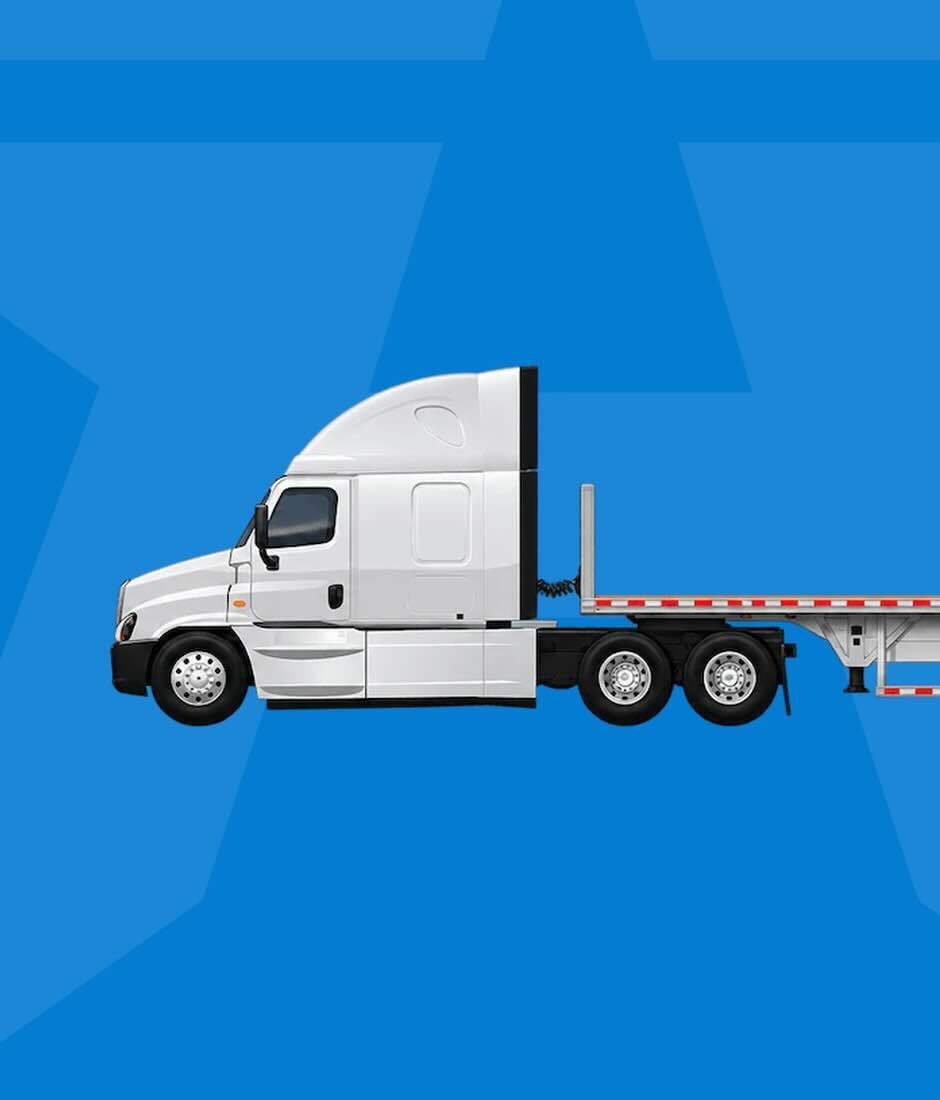
When a breakdown strands machinery or materials, a hot shot can recover the load and finish the trip. A pickup with a gooseneck flatbed carries up to 16,000 lbs. Hot shots are also used to move replacement equipment to job sites and plants. If the load is too heavy for one, we book a full flatbed.

Hot Shot Trucking Services about Stranded equipment
Flatbed truck
Why it matters

One truck, one load

Your freight is the only freight on board, so nothing waits on another shipper's stops.

Emergency trucking What counts

What makes a load an emergency

A load becomes an emergency when the normal plan has failed and the deadline has not moved. The usual triggers are a line-down part, a truck that breaks down en route and a carrier that cancels at the last minute. A missed connection or a storm that closes a route can do the same. Emergency trucking answers each one with a single truck that carries only your freight and drives straight from pickup to delivery.

It is not typically used for routine freight, but it's ideal when a scheduled pickup or shared LTL trailer will miss the deadline.

How an emergency move starts

The first hour after you call

Most of the speed in an emergency move is won before the truck rolls. These are the steps between your call and a truck heading to your dock.

  1. 01

    Describe the load

    Tell your dispatcher what is moving, how much it weighs, its dimensions and where it is going. Mention the deadline and anything special, such as a liftgate or hazardous materials.

    • Weight and dims
    • Deadline
    • Hazmat class
  2. 02

    Confirm the right truck

    Your dispatcher matches the freight to a vehicle size, from a sprinter van to a 53 ft trailer. The closest truck that fits usually beats a bigger one parked farther away.

    • Vehicle size
  3. 03

    Approve the quote

    You get one price for the move and a plain summary of the plan, including the truck type and pickup details. Nothing is booked until you approve it.

  4. 04

    Dispatch the truck

    The assigned truck heads to your pickup. You get the driver's estimated arrival and a direct line to your dispatcher, who follows the truck's progress from here on.

  5. 05

    Load and roll

    The driver checks the freight against the paperwork, secures it and leaves straight for the delivery address. There are no terminal stops and no transfers to another truck.

    • Bill of lading
  6. 06

    Deliver and confirm

    The receiver signs for the freight, and you get proof of delivery. If anything changed on the road, you heard about it from your dispatcher as it happened.

    • Proof of delivery
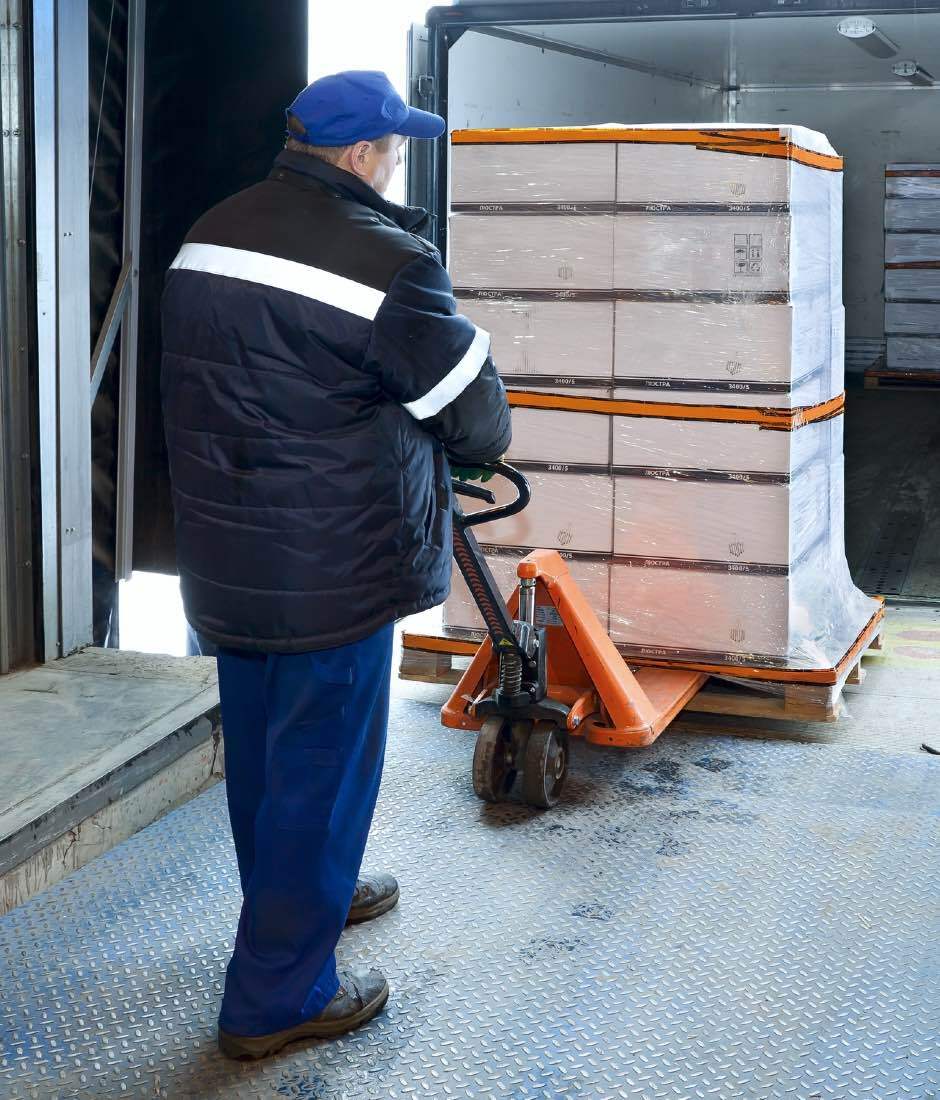
Worker loading a truck
Truck size

The closest truck that fits

In an emergency, the nearest truck sized to your freight usually arrives first.

Truck sizes Sizing the load

Matching the truck to the emergency

Whether you have one pallet, a machine or a full trailer, a dedicated truck is the practical way to move it now. A sprinter van carries up to 3,000 lbs and a box truck up to 5,000 lbs. A straight truck handles up to 9,000 lbs, and a hot shot carries up to 16,000 lbs on a deck of about 40 ft. A 53 ft dry van or a full flatbed covers the largest loads, up to 42,000 and 48,000 lbs.

Size matters in an emergency for a practical reason. The closest truck that fits your freight usually arrives first, while a larger truck may be hours farther away.

HotShotTrucking.com gives you direct access to all of these vehicles, backed by a dispatcher who matches the truck to your load. Every shipment is monitored from pickup to drop-off.

Emergency trucks

Pick the truck for an emergency load

Hot shot truck5 / 6

Hot shot truck side view
32–40 ft16,000 lbs
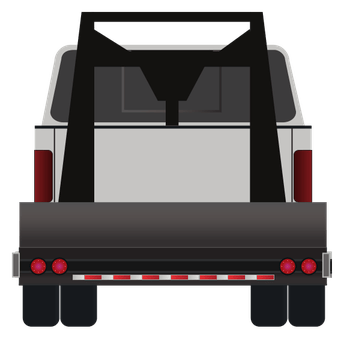
Hot shot truck rear view
102 inWide
120 inHigh
Deck length32–40 ft
Payload16,000 lbs
Deck width102 in
Load height120 in
Best for

Machinery, pipe, valves, job site equipment

About hot shot trucks

A heavy pickup pulls a flatbed or gooseneck trailer, so freight loads from the side and the truck can reach job sites. It suits a single machine or long part that is too heavy for a van. Many trailers have ramps, so rolling equipment can drive straight on.

Price a hot shot truck

Call with the pickup, delivery and weight, and dispatch will match a truck to the load.

Talk to dispatch(800) 604-2511 Get a hot shot quote
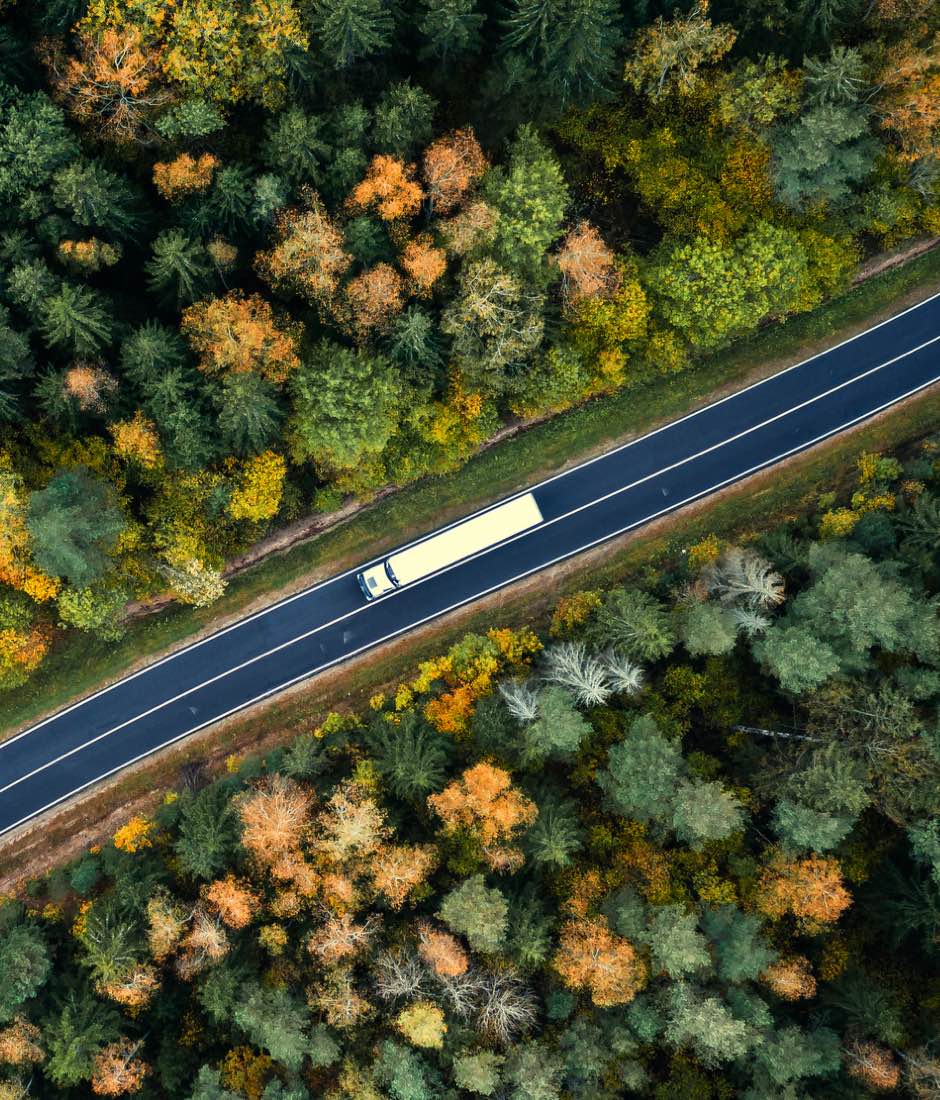
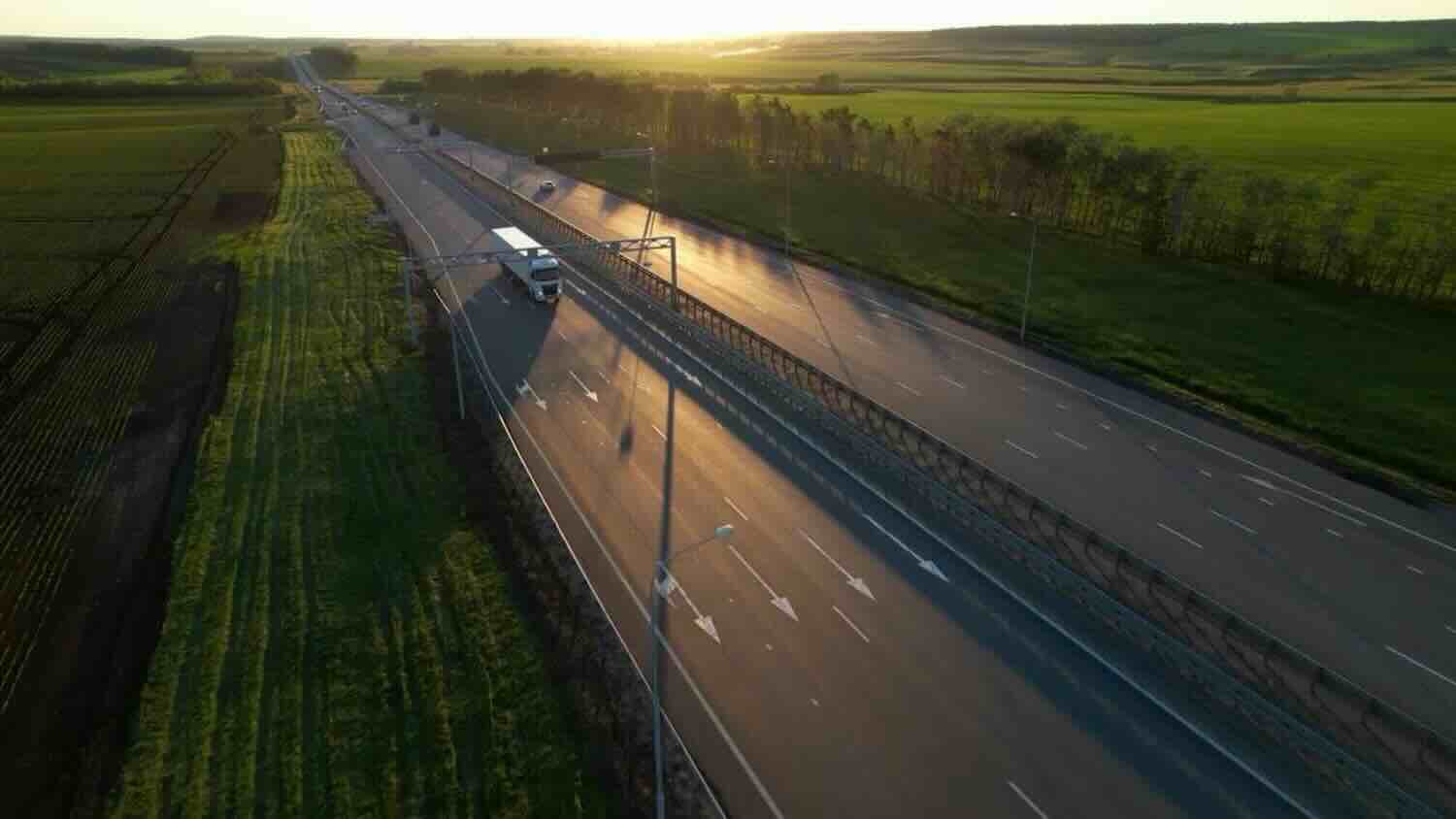
Aerial view of a truck driving on the road
Good to ask

Ask about the backup plan

Before you book any emergency truck, ask what happens if it breaks down on the way.

Backup plan The backup plan

When the first truck falls through

A broker can draw on many carriers, a wider pool than any single fleet, which is what makes a backup plan possible. Trucks break down, drivers run out of legal hours and carriers occasionally cancel. When that happens, your dispatcher books another truck and sends it to the freight, often while the first problem is still being sorted out.

Backup planning works for any urgent load, such as replacement parts, machinery and palletized product. On long runs, a two-driver team keeps the truck moving while one driver rests, so the load does not stop for the required break.

We match the backup truck to the same requirements as the first one. HotShotTrucking.com tells you about any change as soon as your dispatcher knows.

5.0 from 1,600+ reviews on

Truck broke down or load cancelled? Get a replacement moving.

Call or send the details of the load. Your dispatcher matches a dedicated truck to the freight, books it and keeps you updated until it is delivered.

  • Reached out for a quote and received a response within 5 minutes from Chris Noe. Quick with responses and driver updates.

    Ryan
  • Worked with Todd and he made it happen. Called at 9:30am for a hotshot from Dallas to Waller TX. It was offloaded at 4:30pm. Great job!

    Kollin

Request a Quote

Step 1 of 3Origin and Destination Info

Airplane in flight
Rule of thumb

Distance decides the mode

Short runs and big freight favor the truck, while long runs and small parts favor the plane.

Truck or plane Ground or air

When air beats the road

While a truck can leave your dock right away, a plane is often faster for urgent freight going a long way. Once the distance stretches past a long day's drive, next flight out or an air charter with trucks at each end can beat the road.

For small parts and light crates on cross-country lanes, air is also far more practical than a truck that needs several days. For heavy, oversized or awkward freight, a dedicated truck provides a balance of capacity and door-to-door speed that air cannot match.

This makes the truck the practical alternative to air on shorter runs or when the freight will not fit through an aircraft door. We can also arrange air when it is the faster answer, with one dispatcher coordinating the trucks and the flight.

Stuck With Freight and No Truck? Call Us

Watch on YouTube
Who to call when freight is stuck
Episode 1 Jun 8, 2026 24 min

The Easy Button for Expedited Freight

Most companies overlook the hidden logistics hero in their supply chain—and miss millions in savings and risk along the way. Kevin Carpenter, a seasoned expedited freight expert with 20 years of experience, reveals how critical, high-touch shipping solutions can be the secret weapon for your business’s success. Imagine saving a manufacturing line from hundreds of thousands in potential losses with just one call. Or discovering how a simple custom air charter can solve the most unthinkable, high-stakes logistics nightmares—like rushing a crucial piece of machinery across the country in hours. Kevin shares jaw-dropping stories, from thwarting a misloaded private jet to tackling the return of a long-eradicated flesh-eating worm creeping into Texas. These are the real-life, high-pressure moments that prove transportation isn’t just about moving goods—it's about saving businesses, jobs, and even lives.

Freight News
Emergency freight · Hours rules

FMCSA restores 30-day hours relief for emergency trucking

Trucks hauling freight for a declared emergency can again get up to 30 days of hours-of-service relief, which shapes how relief loads move.

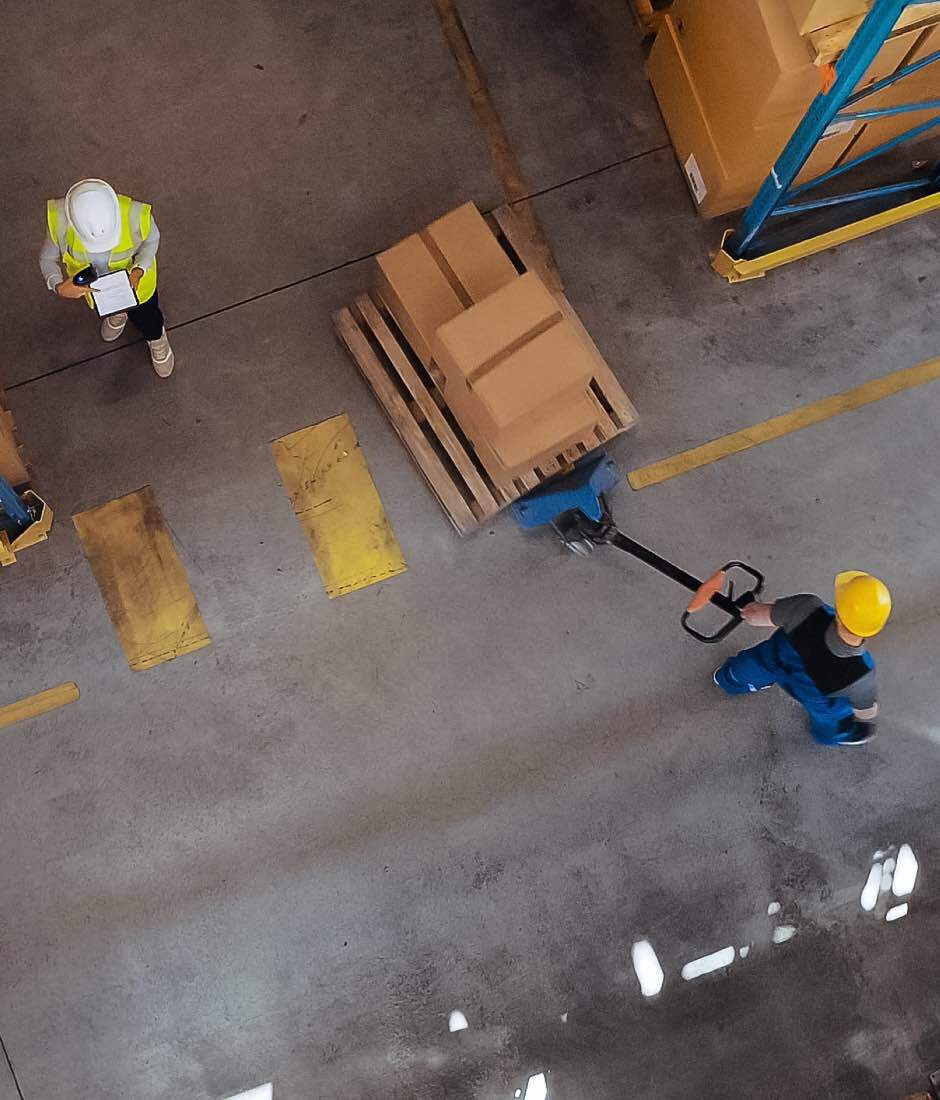
Workers on a factory floor
At a glance · October 2026
30 days
automatic emergency HOS exemption, restored
14 days
the shorter period set in 2023

Relief period is longer

According to FreightWaves, a new FMCSA final rule restores the automatic hours-of-service exemption after a regional emergency declaration from 14 days to 30 days.

Source: FreightWaves, October 5, 2026

no record of adverse safety effects
State transportation departments, Supporting the rule in comments to FMCSA

Why it changed back

The rule reverses a 2023 change that cut the period. Relief still applies only to trucks directly assisting with the declared emergency, and it ends when the declaration ends.

What it means for you

Relief freight can keep moving longer in a declared disaster, but other urgent loads still run under normal hours rules. HotShotTrucking.com plans a two-driver team when a long run needs one.

Chris, expeditor
Before you call

Know the deadline and dimensions

The deadline sets the truck and the route, and the dimensions decide which truck fits.

Cost and prep Before you call

What shapes the cost and what to have ready

No matter how urgent your shipment is, we're here to price it quickly and get the right truck moving. As with most expedited freight, distance and truck size affect the cost of an emergency move. So do the time of day, how soon you need it and any special handling.

The fastest quotes start with complete details. Have the commodity, the weight and dimensions of each piece, and the pickup and delivery addresses ready. Add the deadline, how the freight loads and unloads, any dock or liftgate needs and the hazmat class if there is one.

HotShotTrucking.com assigns one dispatcher who guides you from that first call to final delivery. Tell us what you need to move, and we'll handle the rest.

The cost of delay

What waiting costs

$2.3 million

cost of one hour of downtime at a large automotive plant1

What it means for you

A stopped production line can cost far more in an hour than a dedicated truck costs for the whole trip. That is why shippers facing a line-down part treat the truck as the cheaper choice, and why getting it dispatched quickly matters.

$1.4 trillion

lost each year to unplanned downtime by the world's 500 largest companies2

Unplanned downtime adds up across industry, and a missing part can stop a line as surely as a broken machine.

$11.5 billion

in trucking productivity lost to driver detention in 20233

Trucks waiting at docks lose time across the industry, which is why a clear pickup plan keeps an emergency load moving.

$2.336

average cost per mile to operate a truck in 20254

Running a truck has a real cost on every trip, which shapes the price of any dedicated move in general terms.

EXPEDITED FREIGHT

EXPEDITED FREIGHT EXPLAINED

Expedited freight covers every way to move urgent cargo faster than standard service, from a dedicated van to a full trailer or a flight. See how it works, when it makes sense and how to choose the option that fits your load and your deadline.

Expeditors Steve and Todd

“I had a single point of contact assigned to our shipment that was fantastic on keeping me updated every step of the way.”

Pamela · Trustpilot
HowWe Work

One Person, Start to Finish

When you call HotShotTrucking.com with an emergency, a real person answers and stays with the load. That expeditor books the truck, follows it on the road and is the person you reach with any question. There are no handoffs between departments and no retelling the problem halfway through. If the plan changes, the person who built it calls you.

  • One contact from first call to delivery
  • Updates at pickup, en route and delivery
  • The same person on your next emergency
Expeditor Steve

“I called up at 7:30 pm... one that was secured cancelled at the end of the day. Todd quoted three shipments on the spot... The last shipment was picked up at Midnight.”

Susan · Trustpilot
WhatWe Provide

The Right Mode, Every Time

Every emergency load gets matched to the vehicle it needs, from a sprinter van to a hot shot, a 53 ft dry van or a full flatbed. A licensed carrier hauls the freight on a dedicated truck from pickup to delivery. When the distance makes a truck too slow, we can arrange air, with trucks at each end of the flight.

  • Vehicles from sprinter vans to flatbeds
  • Air arranged when the road is too slow
  • Dispatch around the clock, weekends included
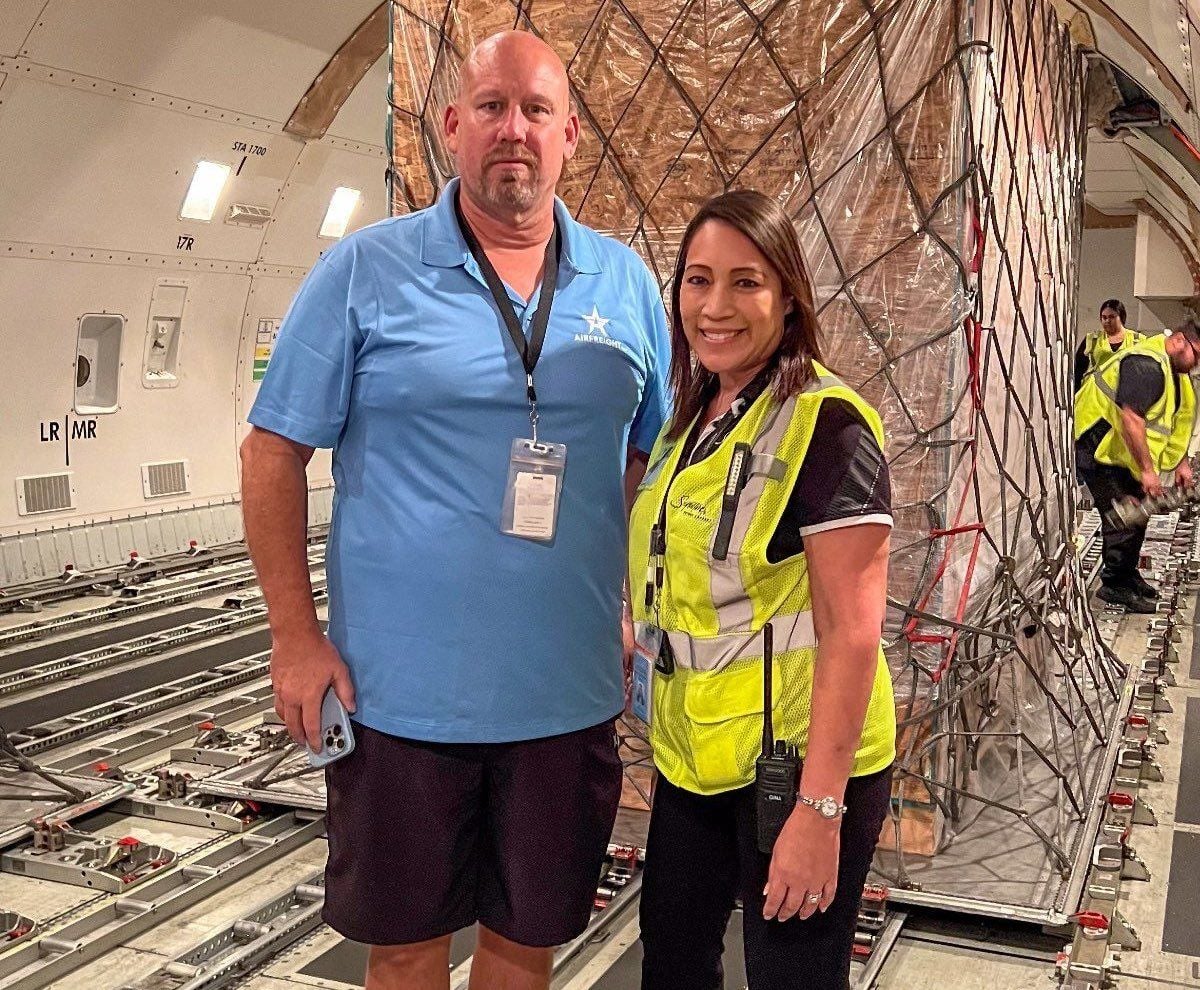
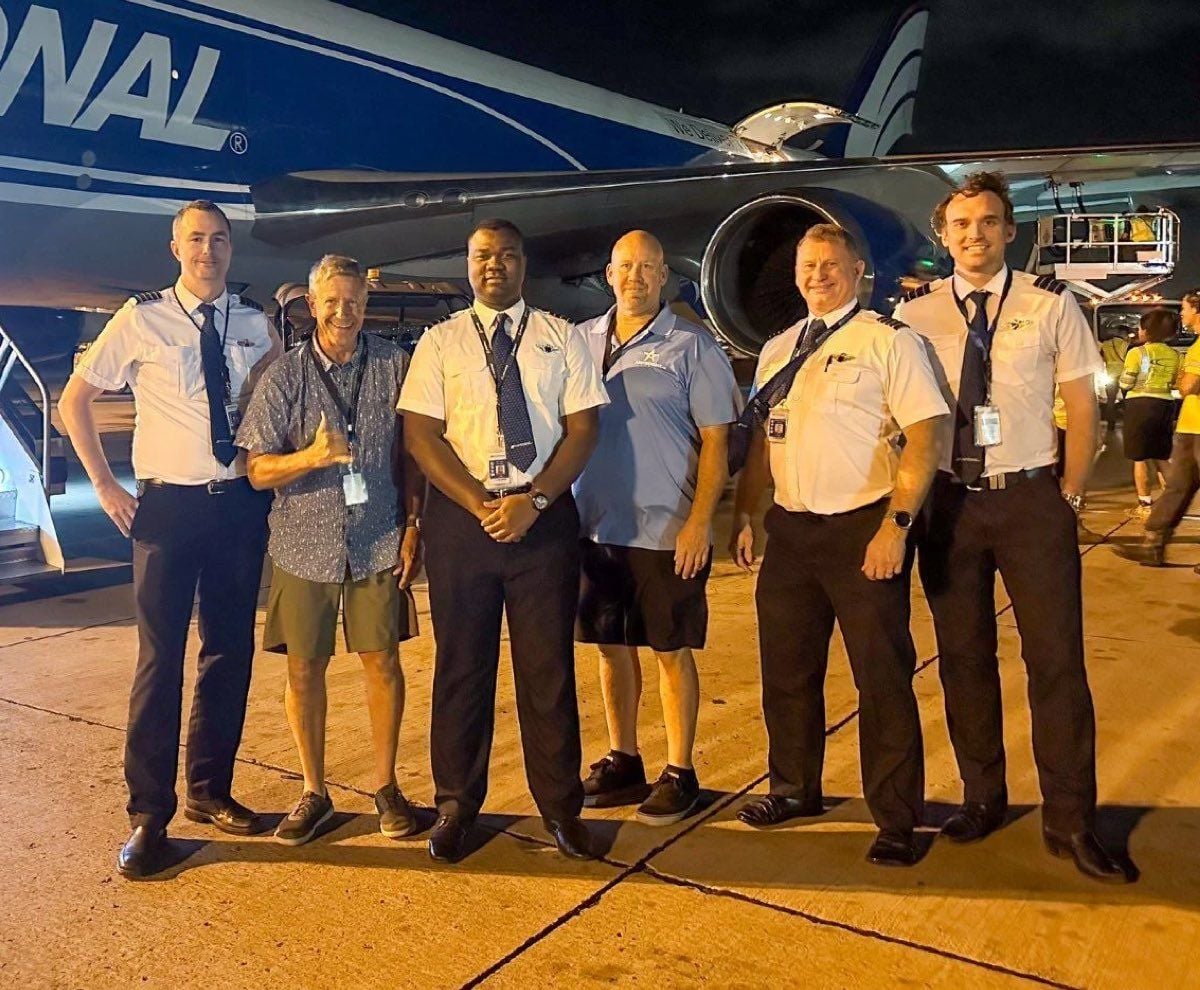
The expediting team at the airport

“True to word. They did exactly what they said they would do.”

Dan · Trustpilot
WhoWe Are

Honest With You, Always

A freight emergency is stressful enough without guessing what is really happening. You see the price before you commit and the timeline as it really stands. If something goes wrong on the road, you hear it from us first. That includes telling you when a different option will serve the load better, even when it isn't the one you asked for.

  • Price confirmed before anything is booked
  • Bad news delivered early, with a plan
  • Honest advice on truck versus air

Emergency Trucking Questions Answered

What is emergency trucking?

Emergency trucking is a dedicated truck sent for freight that has to move right away, usually because the normal plan has failed. The truck carries only that shipment and drives straight from pickup to delivery, with no terminal stops and no transfers to other trucks. Common triggers include a part that has stopped a production line, a truck that has broken down with a load aboard, a carrier that cancels at the last minute and freight cut off by severe weather. The vehicle is sized to the load, from a cargo van for a single part to a flatbed or 53 ft trailer for heavy or bulky freight. Dispatch is available at any hour, including nights, weekends and holidays.

How does emergency trucking differ from expedited freight?

Expedited freight is the broader category. It covers any service that moves freight faster than standard shipping, including dedicated trucks, two-driver teams, next flight out and air charter, and it can be planned days in advance. Emergency trucking is the most urgent part of that category. It starts when something has already gone wrong, so the focus is on finding the nearest suitable truck and getting it to the pickup as soon as possible. In practice, the equipment is often the same. The difference is timing and pressure: an expedited load may be booked for next week, while an emergency load usually needs a truck dispatched within the same call.

How does a dedicated emergency truck differ from LTL freight?

LTL, or less-than-truckload, combines freight from many shippers on one trailer. The truck makes several pickups, brings the freight to a terminal, sorts it onto other trucks and delivers it on a route with other stops. That keeps costs down for routine freight, but every transfer adds time and another chance of damage or delay. A dedicated emergency truck carries one shipment only. It goes from your dock to the delivery address without stopping at terminals or handling anyone else's freight. LTL suits freight that can wait a few days. A dedicated truck suits freight that has to arrive on a fixed deadline, where a late delivery costs more than the truck.

What is a line-down emergency?

A line-down emergency happens when a production line stops because something it needs is missing. The cause is often a failed machine part, a shortage of components or raw material, or tooling that has worn out or broken. Every hour the line is stopped can mean idle workers, missed customer orders and penalties under supply contracts, so the replacement part becomes the most urgent freight the plant has. Line-down shipments are often small, a single motor, gearbox or set of components, which makes a cargo van, box truck or hot shot a common choice. For long distances, next flight out or an air charter with trucks at each end can be faster than any truck.

What is a disaster relief truck?

A disaster relief truck carries supplies into an area hit by a hurricane, flood, wildfire, winter storm or other disaster. Typical loads include bottled water, food, generators, fuel, medical supplies, tarps and building materials. Relief freight often moves on 53 ft dry vans and flatbeds, though smaller trucks handle last-mile deliveries to shelters and staging areas. Many relief loads are organized by government agencies, utilities and nonprofit groups, while businesses also ship their own supplies to restore operations at damaged sites. During a declared emergency, trucks directly assisting with the relief effort may get temporary relief from some federal rules, such as hours-of-service limits, which helps capacity reach affected areas faster.

What is a FEMA load?

A FEMA load is freight moved for the Federal Emergency Management Agency during a disaster response. These loads typically carry water, meals, generators, tarps, cots and other supplies from federal staging areas to the affected region. FEMA works with carriers, brokers and logistics contractors to move this freight, and the work is organized through federal contracting rules. Carriers that haul for federal agencies generally need to be registered in SAM.gov, the federal government's contractor registration system, and meet the agency's tender and documentation requirements. For a business shipper, the practical effect of a large FEMA response is that it can tighten truck capacity in and around the disaster area, which makes it more important to book urgent freight early.

What is an FMCSA emergency declaration?

An FMCSA emergency declaration is a formal notice that temporarily relaxes some federal trucking rules so freight can reach an area in crisis. A regional emergency can be declared by a state governor, a governor's authorized representative or the Federal Motor Carrier Safety Administration. Trucks directly assisting with the emergency then get relief from federal hours-of-service limits for a set period. A final rule effective in October 2026 restored that automatic period to up to 30 days. The relief does not cover all trucking in the region, and it does not waive licensing, insurance or vehicle safety rules. States may separately issue size and weight permits for relief loads.

What is team driving in trucking?

Team driving means two qualified drivers share one truck. While one drives, the other rests in the sleeper berth, so the truck can keep moving for far longer than a single driver is allowed under federal hours-of-service rules. A solo driver must stop for required rest periods, which can add many hours to a long run. With a team, those breaks happen while the truck is still on the road. Team service is most useful for long-distance urgent freight, such as a cross-country emergency load where air is not practical because of the freight's size or weight. It costs more than a solo driver, because two drivers are paid for the trip.

How can a shipper check a trucking company's authority?

Any shipper can look up a trucking company or broker in the Federal Motor Carrier Safety Administration's public records. Search by USDOT number, MC number or company name on the FMCSA's SAFER and licensing websites. The records show whether the company's operating authority is active, whether it is registered as a carrier, a broker or both, and whether insurance is on file. Brokers must also file a surety bond or trust fund. The safety record shows inspection and crash history for carriers. Check that the name on the paperwork matches the registered company, and ask for a certificate of insurance before the freight moves. These checks take minutes and work for any provider.

When does air charter make more sense than an emergency truck?

Air charter makes more sense when the distance is too long for a truck to meet the deadline and no scheduled flight works. A truck usually wins on shorter runs, because it can leave right away and drive straight to the door, while a flight needs time for trucks to reach the airport, loading, the flight itself and recovery at the other end. Over longer distances, that changes. Next flight out is the first air option to check, because it costs less than a charter and uses a shared flight. A charter books the whole aircraft and departs when the cargo is ready, so it suits large or time-critical shipments where waiting for a scheduled departure is not an option.

Get a truck now

Put a dedicated truck on the load that cannot wait

Send the pickup, delivery and deadline. A dispatcher matches the right truck, confirms the price and keeps you updated until the freight is delivered.

5.0 from 1,600+ reviews on

Request a Quote

Step 1 of 3Origin and Destination Info

John Mark was a pleasure to work with and kept me updated on the driver's progress as it was an urgent and timely delivery we needed 11 hours away.

Kenneth · Verified review on Trustpilot
CTA Hero Star Background
TOP