
Skip to content

Heavy Hauling

A heavy machine or a load of steel with a fixed delivery date needs a plan before the truck arrives. HotShotTrucking.com books hot shots and flatbeds for heavy freight and checks the load against the legal limits. One dispatcher keeps it on schedule.

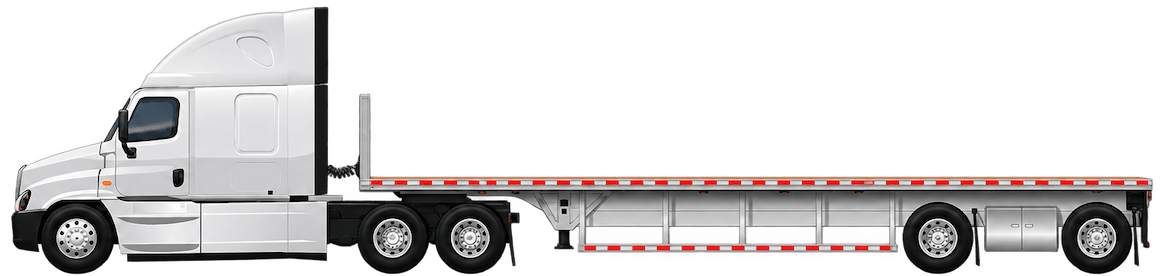
Flatbed truck
Construction workers on site
In short

Heavy, large or both

Heavy hauling moves loads that push past normal truck limits on open-deck trailers.

Heavy hauling What it is

What heavy hauling is

From an excavator heading to a new job site to a transformer bound for a substation, heavy hauling moves loads that are heavy, large or both. Typical freight includes construction and farm machinery, generators, industrial equipment and steel beams. Most of it rides on open-deck trailers, loaded by crane, forklift or ramp from the side, top or rear.

Heavy hauling needs more planning than ordinary freight. The weight and size of the load decide which trailer can carry it, whether permits are needed and how the route has to be planned.

HotShotTrucking.com books hot shots and flatbeds for heavy freight across the US, Canada and Mexico through licensed carriers. Our dispatch team gives you one person accountable for the load, and every shipment is monitored from pickup to drop-off.

Expeditor at his desk tracking a shipment
Legal limits Heavy hauling

The legal limits that decide everything

Heavy haul carriers usually start every job by measuring the load against federal limits, including the gross weight and the axle weights. This means the shipper knows early whenever a load will need permits. On the Interstate system, a truck and its load are limited to 80,000 lbs gross, with 20,000 lbs on a single axle and 34,000 lbs on a tandem axle group.

The standard legal width is 8.5 ft, or 102 inches. Height limits are set by each state, and 13.6 ft is common. A federal bridge formula also limits how much weight can sit on axles that are close together. A load beyond these limits is oversize or overweight.

Our dispatch team is available around the clock, including weekends and holidays, to check a load's numbers. HotShotTrucking.com measures each heavy load against these limits to make sure the right plan is in place.

Aerial view of a truck driving on the road
Plan ahead

Each state, its own permit

Oversize loads need a permit from every state on the route, plus escorts when required.

Permits Heavy hauling

Permits, escorts and travel rules

When a load is oversize or overweight, each state on the route issues its own permit. The permit sets the route, the dimensions allowed and the times the truck may travel. Wider, taller or longer loads may also need one or more pilot cars, also called escort vehicles, and some routes need a survey for low bridges, power lines and tight turns.

Oversize loads carry banners, flags and lights. Many states limit oversize travel to daylight hours and restrict it on weekends and holidays, which affects the delivery date.

We align the permits and the schedule with your deadline. It's also why heavy loads need lead time, so HotShotTrucking.com asks for exact dimensions as early as possible.

Heavy haul trailers

Heavy haul trailers ranked by capacity

This ranking orders the trailers used for heavy freight from the lightest duty to the heaviest. HotShotTrucking.com books hot shots and flatbeds; specialized heavy haul carriers run the larger trailers.

Sort by
  1. Best for heavy partial loads

    Hot shot gooseneck

    A heavy-duty pickup with a gooseneck flatbed for urgent heavy partials. It is the quickest heavy option to dispatch.

    GoodFast for heavy partials WatchLowest capacity here
    ~16,000 lbs
    capacity
    Crane, forklift or ramp
    loading method
    $$$$$
    relative cost
  2. Best for full legal-weight loads

    Full flatbed

    A semi flatbed for machinery, steel and materials within legal limits. It carries full loads loaded from the side or top.

    GoodHigh legal payload WatchHeight limits for tall freight
    ~48,000 lbs
    capacity
    Crane or forklift
    loading method
    $$$$$
    relative cost
  3. Best for taller freight

    Step deck

    A trailer with a lower rear deck that gives more height for tall loads. It often keeps tall freight within legal height.

    GoodExtra height clearance WatchSpecialized carrier needed
    Heavier, taller loads
    capacity
    Crane, forklift or ramp
    loading method
    $$$$$
    relative cost
  4. Best for drive-on machinery

    Removable gooseneck

    A low trailer whose front detaches so equipment can drive on. It suits tall, heavy machinery such as excavators.

    GoodDrive-on loading WatchPermits often required
    Very heavy, tall loads
    capacity
    Drive on from the front
    loading method
    $$$$$
    relative cost
  5. Best for the heaviest equipment

    Lowboy

    A very low deck for the tallest and heaviest machinery. It is used for loads no other trailer can carry legally.

    GoodLowest deck, highest loads WatchPermits, escorts, planning time
    Heaviest loads
    capacity
    Drive on or crane
    loading method
    $$$$$
    relative cost
Expeditor Kevin
Trailer choice Heavy hauling

Choosing the trailer

A full flatbed carries up to 48,000 lbs, larger than a hot shot but limited by legal height once tall freight sits on its deck. A hot shot gooseneck handles heavy partial loads up to 16,000 lbs and dispatches quickly. For freight that would be too tall on a flatbed, a step deck lowers the rear deck to gain height.

Very tall or heavy machinery, such as excavators and dozers, often needs a removable gooseneck or a lowboy that the equipment can drive onto. Those trailers are run by specialized heavy haul carriers, and loads on them usually need permits and sometimes escorts.

We match the trailer to your load's weight, height and loading method. HotShotTrucking.com books hot shots and flatbeds directly, and tells you plainly when a load needs a specialized heavy haul carrier instead.

5.0 from 1,600+ reviews on

Heavy load with a deadline? Get a heavy freight quote.

Send the weight, dimensions and dates. Your dispatcher checks the load against the limits, books the right truck and keeps you updated to delivery.

  • John Mark was a pleasure to work with and kept me updated on the driver's progress as it was an urgent and timely delivery we needed 11 hours away.

    Kenneth
  • Fantastic! I called and spoke to an extremely helpful gentlemen by the name of Kevin at 7:00 p.m. I couldn't ask for a better experience. Quick, Courteous, and had a driver sitting in PA at 9:30 the next morning.

    Devin

Request a Quote

Step 1 of 3Origin and Destination Info

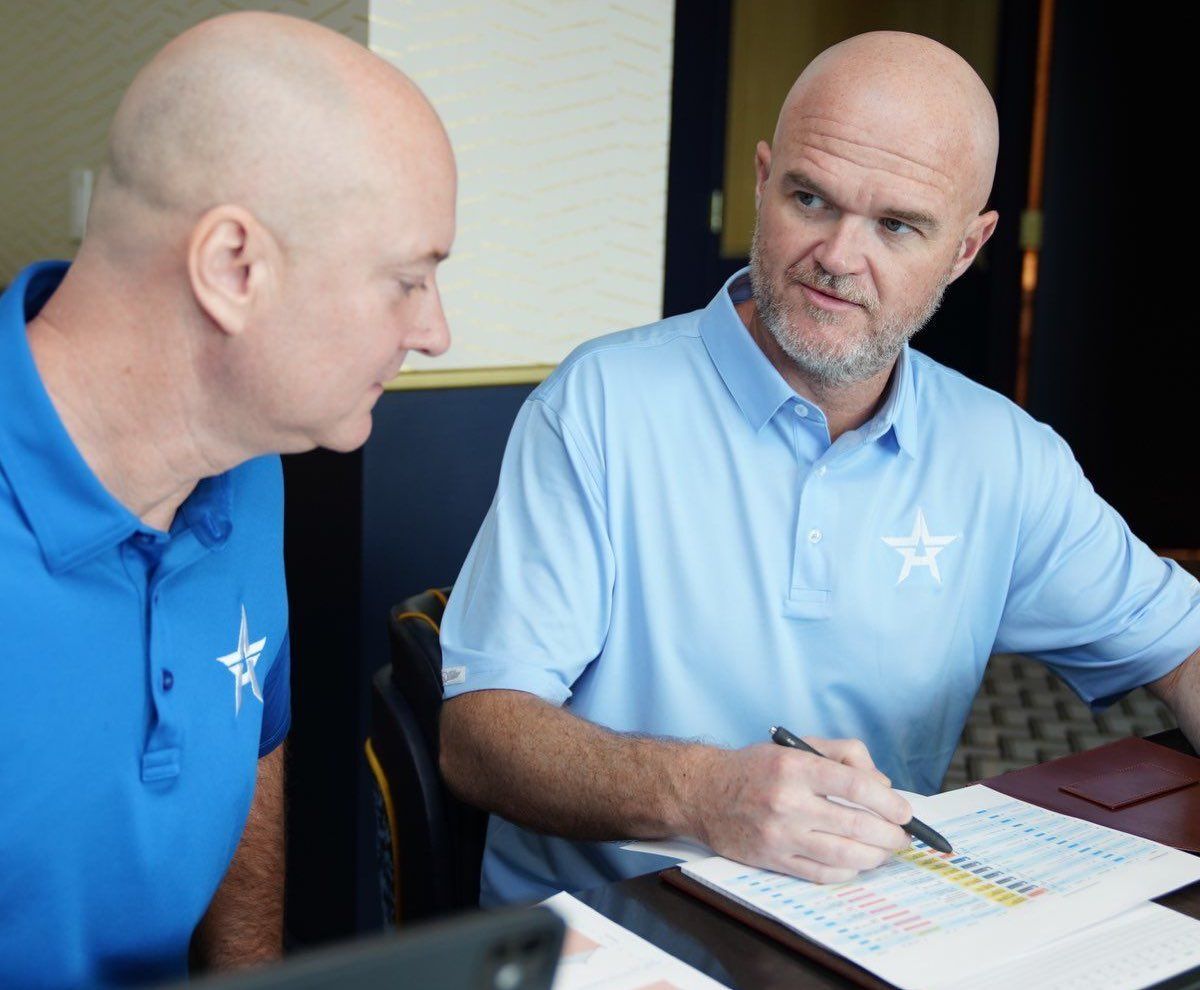
Expeditors Steve and Todd
Details and cost Heavy hauling

What to send and what drives cost

While ordinary freight can be quoted from a pallet count, a heavy load needs exact numbers. Send the weight, length, width and height, and the center of gravity or lift points for machinery. Say how the load goes on and off the trailer, whether by crane, forklift or driving it on, and describe access at both sites, plus the ready and delivery dates.

As with most expedited freight, distance, weight and dimensions, the type of trailer and how soon you need it all affect the cost of a heavy load. Permits, escorts and travel restrictions add time and planning when a load is oversize.

For heavy partials within legal limits, a hot shot provides a balance of speed and capacity that a specialized trailer can't match. This makes HotShotTrucking.com a practical first call for heavy freight.

A heavy load, step by step

How a heavy load moves

Every heavy load HotShotTrucking.com books follows six steps, starting with exact measurements of the freight.

  1. 01

    Measure and share

    Send the exact weight, length, width and height, plus lift points and the loading method. These numbers decide whether the load is legal, oversize or overweight.

    • Weight
    • Dimensions
  2. 02

    Choose trailer and route

    Your dispatcher matches the trailer, such as a hot shot gooseneck or a flatbed, and plans a route that suits the load's size and the sites at each end.

    • Hot shot or flatbed
  3. 03

    Arrange permits if needed

    When a load is oversize or overweight, permits are arranged for each state on the route, along with any escorts the permits require.

    • State permits
    • Pilot cars
  4. 04

    Load and secure

    The freight is loaded by crane, forklift or ramp and secured with rated chains and binders. Banners, flags and lights are added for oversize loads.

    • Securement
  5. 05

    Travel with updates

    The truck travels within the permit's hours and route. Your dispatcher sends updates and warns you early if weather or restrictions change the arrival.

    • Updates
  6. 06

    Deliver and unload

    The receiving site unloads with its crane, forklift or ramp. The receiver signs for the freight, and you receive proof of delivery.

    • Proof of delivery

Size, weight and permit rules vary by state; confirm current requirements for every state on the route.

Heavy freight by the numbers

Heavy freight by the numbers

$2.3 million

cost of one hour of downtime at a large automotive plant1

What it means for you

When a heavy machine or part holds up a plant or a job, every hour of waiting costs more than a well-planned truck. HotShotTrucking.com plans heavy loads against the legal limits up front so the truck that arrives can carry the load.

11 hours

maximum driving time per shift for a solo truck driver2

Driver hours limit how far a truck can go each day, and permit travel times can tighten that further.

$3.660

US average retail diesel price per gallon in 20253

Fuel is a large part of every heavy move, and heavier loads use more of it.

39.3%

of truck stops involved driver detention in 20234

Waiting at sites is common, so a ready crane or forklift keeps a heavy load on schedule.

Expeditor Andy
Before it rolls

Rated chains, ready site

Rated securement and a ready unloading crew protect heavy freight at both ends.

Securement Heavy hauling

Securing and delivering heavy freight

HotShotTrucking.com specializes in heavy loads that arrive secure and on time, from your yard to the job site with no surprises. Securement starts at loading. Chains and binders must be rated for the load, edge protectors keep straps from cutting, and tarps protect freight that cannot get wet. Drivers check the securement along the route.

Delivery needs the same care. The receiving site should have a crane, forklift or ramp ready, a clear path for the truck and someone to sign for the load. When a load needs a lowboy or another specialized trailer, we say so plainly so the right heavy haul carrier can be used.

This approach removes the guesswork at both ends, which reduces delays and cuts the risk of damage. Your load stays with one dispatcher from the first measurement to the signed delivery.

Trailer by trailer

Hot shot, flatbed, step deck or lowboy

Four trailers handle most heavy freight, from quick partial loads to the tallest machinery. HotShotTrucking.com books hot shots and flatbeds; read across to see which fits your load.

Hot Shot Trucking Pickup and gooseneck Full flatbed Semi open deck Step deck Lower rear deck Lowboy Very low deck
Heavy partial loads Yes: Up to 16,000 lbs Sometimes: More than needed Sometimes: More than needed No: Built for big machines
Full legal-weight loads No: Partial loads Yes: Up to 48,000 lbs Yes: Heavy loads Yes: Heaviest loads
Taller freight Sometimes: Low deck height No: Height limits apply Yes: Extra clearance Yes: Most clearance
Drive-on machinery Sometimes: Dovetail and ramps No: Crane or forklift Sometimes: With ramps Yes: Built for it
Quick dispatch Yes: Widely available Yes: Usually available Sometimes: Specialized carriers No: Permits and planning
Best when Heavy urgent partials Full loads within limits Tall loads near the limit The tallest, heaviest machines

Hot Shot Trucking

Pickup and gooseneck
Heavy partial loads
Yes: Up to 16,000 lbs
Full legal-weight loads
No: Partial loads
Taller freight
Sometimes: Low deck height
Drive-on machinery
Sometimes: Dovetail and ramps
Quick dispatch
Yes: Widely available
Best when
Heavy urgent partials

Full flatbed

Semi open deck
Heavy partial loads
Sometimes: More than needed
Full legal-weight loads
Yes: Up to 48,000 lbs
Taller freight
No: Height limits apply
Drive-on machinery
No: Crane or forklift
Quick dispatch
Yes: Usually available
Best when
Full loads within limits

Step deck

Lower rear deck
Heavy partial loads
Sometimes: More than needed
Full legal-weight loads
Yes: Heavy loads
Taller freight
Yes: Extra clearance
Drive-on machinery
Sometimes: With ramps
Quick dispatch
Sometimes: Specialized carriers
Best when
Tall loads near the limit

Lowboy

Very low deck
Heavy partial loads
No: Built for big machines
Full legal-weight loads
Yes: Heaviest loads
Taller freight
Yes: Most clearance
Drive-on machinery
Yes: Built for it
Quick dispatch
No: Permits and planning
Best when
The tallest, heaviest machines

Step deck and lowboy loads are handled by specialized heavy haul carriers; limits and permits vary by state.

Freight News
Diesel and freight costs

Diesel prices climb past $6 a gallon

Diesel is far more expensive than a year ago, which weighs most on heavy loads that burn the most fuel.

Hot shot truck (pickup with flatbed trailer)
At a glance · October 2026
$6.352
average diesel price per gallon
$2.634
rise in diesel from a year earlier

What is happening

According to FleetOwner, the national average diesel price rose 8 cents to $6.352 per gallon, up $2.634 from a year earlier.

Source: FleetOwner, October 28, 2026

Why it is happening

The increases are linked to limited Strait of Hormuz traffic and crude oil prices above $100 per barrel.

What it means for you

Fuel costs hit heavy freight hard. HotShotTrucking.com matches the truck to the load so you do not pay for more truck than you need.

Trucks and trailers

The right truck for your freight

Hot shot truck5 / 6

Hot shot truck side view
32–40 ft42,000 lbs
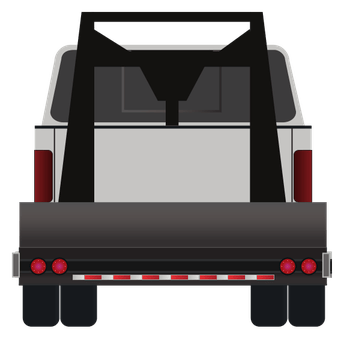
Hot shot truck rear view
102 inWide
120 inHigh
Deck length32–40 ft
Payload42,000 lbs
Deck width102 in
Load height120 in
Best for

Construction, oilfield and farm equipment, machinery

About hot shot trucks

A hot shot pairs a heavy-duty pickup with a gooseneck flatbed trailer. It is the fast choice for equipment and machinery that need an open deck but not a full semi. Ramps at the back let rolling equipment drive straight on.

Price a hot shot truck

Send the pickup, delivery and weight, and we'll match the truck to your load.

Talk to dispatch(800) 604-2511 Get a hot shot quote
Working with us

How HotShotTrucking.com handles heavy freight

Heavy freight goes right when one person owns the load, the trailer fits and the updates are honest.

Expeditor Steve

“I had a single point of contact assigned to our shipment that was fantastic on keeping me updated every step of the way.”

Pamela · Trustpilot
HowWe Work

One Person, Start to Finish

When you call HotShotTrucking.com, you reach a real person right away, and that same person owns your heavy load from the first measurement to final delivery. You never have to explain the job twice.

Your dispatcher books the truck, follows the run and is the person you call next time.

  • A direct number for your dispatcher
  • Updates at pickup and delivery
  • The same person on your next load
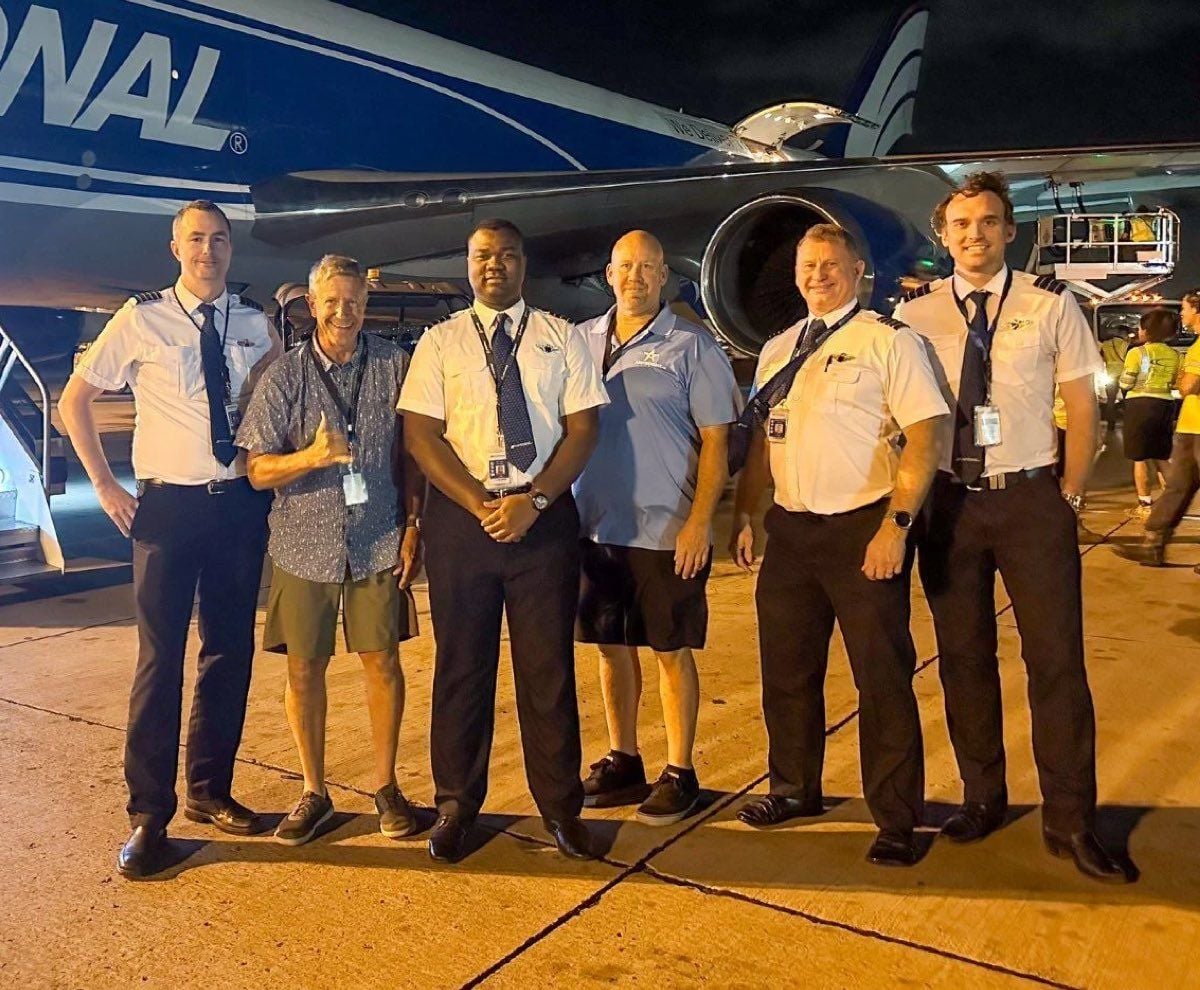
Expeditor Chris at the airport

“I called up at 7:30 pm... one that was secured cancelled at the end of the day. Todd quoted three shipments on the spot... The last shipment was picked up at Midnight.”

Susan · Trustpilot
WhatWe Provide

The Right Truck, Every Time

Every heavy load is different, and the right truck is the one that fits it. We book gooseneck hot shots, dovetail trailers for drive-on equipment and full flatbeds, along with vans and straight trucks for lighter freight.

We match the load to the truck it needs, and we say plainly when a specialized heavy haul trailer is required.

  • Each option weighed against your deadline
  • Dovetails for drive-on equipment
  • Flatbeds for full open-deck loads
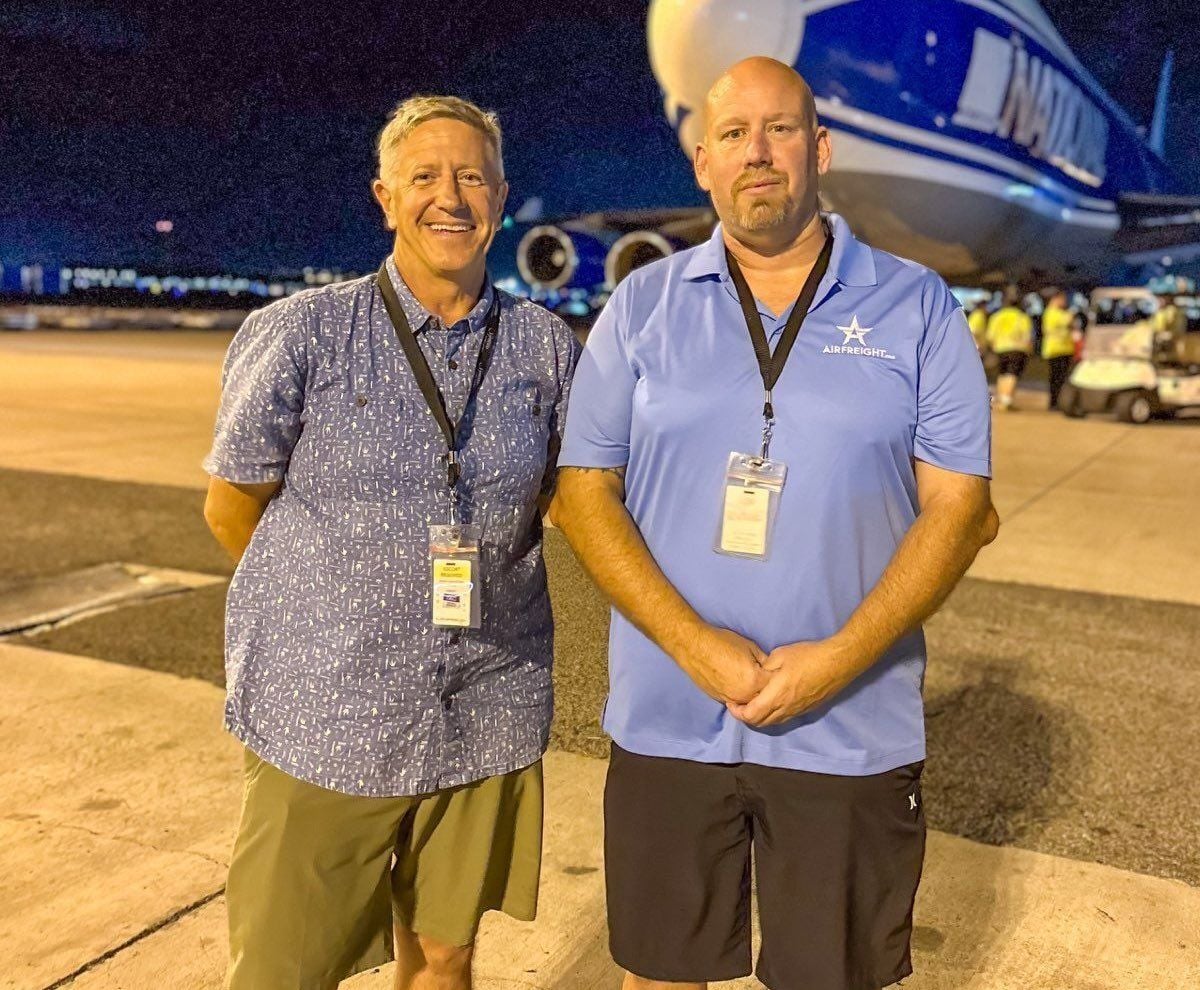
The expediting team at the airport

“True to word. They did exactly what they said they would do.”

Dan · Trustpilot
WhoWe Are

Honest With You, Always

Heavy freight is stressful enough without wondering whether you have the full story. We give you the price before you commit, the timeline as it actually stands, and if something goes wrong, you hear it from us first.

That includes telling you when a load needs permits or a different trailer.

  • Clear quotes before you commit
  • Real updates, including the bad news
  • We say when a load needs a lowboy

Heavy Hauling Questions Answered

What is heavy hauling?

Heavy hauling is the transport of loads that are unusually heavy, large or both, such as construction and agricultural machinery, generators, transformers, industrial equipment, steel beams and other oversized freight. It usually requires open-deck trailers that can be loaded by crane, forklift or ramp, and it often involves careful planning around legal size and weight limits. Loads that exceed those limits need permits from each state on the route and sometimes escort vehicles. Heavy hauling ranges from a hot shot carrying a heavy machine part to specialized trailers moving equipment weighing many tons.

What is an oversize load?

An oversize load is freight whose dimensions exceed the legal limits for width, height or length on the roads it will travel. The standard legal width in the United States is 8.5 ft, or 102 inches, while height and length limits are set by each state, with 13.6 ft a common height limit. Oversize loads need a permit from every state on the route, display banners, flags and lights, and may need pilot cars and route surveys. Many states also restrict when oversize loads can travel, such as daylight hours only or no weekend travel.

What is an overweight load?

An overweight load is one whose total weight or axle weights exceed the legal limits. On the Interstate system, the federal limits are 80,000 lbs gross vehicle weight, 20,000 lbs on a single axle and 34,000 lbs on a tandem axle group, with a bridge formula limiting weight on closely spaced axles. A load over these limits needs an overweight permit from each state on the route, and the permit may specify the route, the axle configuration and travel times. Heavier loads often move on trailers with more axles to spread the weight within allowed limits.

What is the federal gross weight limit for trucks?

On the Interstate highway system, the federal gross vehicle weight limit for a commercial truck and its load is 80,000 lbs. Federal rules also limit a single axle to 20,000 lbs and a tandem axle group to 34,000 lbs, and the bridge formula limits how much weight can be carried on groups of axles based on how far apart they are. States can set their own limits on other roads and may allow higher weights under specific permits or grandfathered rules. Loads that would exceed these limits need overweight permits before they travel.

What is a pilot car?

A pilot car, also called an escort vehicle, is a vehicle that travels with an oversize load to warn other drivers and help the truck navigate safely. Pilot cars may drive ahead of the load, behind it or both, depending on the load's size and the state's rules. They carry signs and lights, communicate with the truck driver by radio and help with turns, low clearances and traffic. Each state sets its own requirements for when pilot cars are needed and how many, usually based on the load's width, height and length.

What is a step deck trailer?

A step deck trailer, sometimes called a drop deck, is an open trailer with an upper deck at the front and a lower main deck behind it. The lower deck sits closer to the ground than a standard flatbed, which gives taller freight extra height clearance. This often allows loads that would be too tall on a flatbed to stay within legal height without a permit. Step decks are used for machinery, equipment and tall industrial freight. Loading usually happens by crane or forklift, and some step decks use ramps so equipment can be driven on.

What is a removable gooseneck trailer?

A removable gooseneck trailer, often called an RGN, is a heavy haul trailer whose front section detaches from the deck. When the gooseneck is removed, the front of the trailer lowers to the ground and forms a ramp, so tracked or wheeled machinery such as excavators and dozers can drive straight onto the deck. RGN trailers have a low deck height, which helps tall equipment stay within height limits. They are widely used for construction and industrial machinery and are operated by specialized heavy haul carriers, often with permits for the heaviest loads.

What is a lowboy trailer?

A lowboy is a heavy haul trailer with a deck that sits very close to the ground, usually dropping down between the gooseneck and the rear axles. The low deck gives the most height clearance of any common trailer, which makes it suitable for very tall and heavy machinery and industrial equipment. Many lowboys have removable goosenecks for drive-on loading and multiple axles to spread heavy weight. Loads on lowboys often exceed standard limits and need permits, route planning and sometimes escorts. They are operated by specialized heavy haul carriers.

What is the federal bridge formula?

The federal bridge formula is a rule that limits how much weight a truck can carry on any group of axles based on the number of axles and the distance between them. It exists to protect bridges, which can be damaged when heavy weight is concentrated over a short span. Under the formula, spreading axles farther apart allows more weight to be carried legally. For heavy hauling, it explains why heavier loads often move on longer trailers with more axles, and why the axle layout of a truck matters as much as the total weight of the load.

What is load securement?

Load securement is the practice of fastening cargo to a truck or trailer so it cannot shift, fall or come loose during transport. For heavy freight it usually involves chains and binders or straps with a combined working load limit suited to the cargo's weight, plus edge protection, blocking and bracing. Federal rules set minimum securement requirements, including the number of tie-downs based on the cargo's length and weight. Drivers are expected to inspect securement before departure and at intervals during the trip. Proper securement protects the freight, the truck and other road users.

Get a quote

Heavy freight ready to move? Book the right truck now

Enter your pickup, delivery and date. Your dispatcher checks the load, books the right truck and keeps you updated until delivery.

5.0 from 1,600+ reviews on

Request a Quote

Step 1 of 3Origin and Destination Info

They were very fast. Picked up the item in about 3 hours of first contact and drove it straight to the destination with regular updates.

Eric · Verified review on Trustpilot
CTA Hero Star Background
TOP