

Skip to content

Hot Shot Transportation

When a crew is standing around waiting on one machine or one load of material, a hot shot is the truck that gets it there. A heavy-duty pickup and flatbed trailer is dispatched for your freight alone and driven straight to the site. HotShotTrucking.com books that truck nationwide and stays on the load until it is delivered.

Hot Shot Trucking

Trusted By Our Most Valuable Partners

HOT SHOT TRANSPORTATION

One Truck, One Load, Straight to the Site

Most urgent loads on a job site are not big. A replacement part, a bundle of pipe or one piece of equipment can still stop a crew if it arrives a day late.

HotShotTrucking.com books dedicated hot shot trucks nationwide, with dispatch around the clock and one point of contact for every load. When the freight is smaller or larger than a hot shot, we book the truck that fits instead.

Hot shots grew up in the oilfields, but today they serve construction, agriculture, manufacturing and equipment dealers. The common thread is a load that is too big for a van, too small for a semi and needed sooner than a scheduled truck can manage. We confirm the size and weight before booking, so the right rig shows up.

These are the three trucks shippers book most for this kind of freight. Next, we look at what hot shot transportation is and how it compares.

THE CORE HOT SHOT hot-shot-truck

Hot Shot Trucking

A heavy pickup with a gooseneck or bumper-pull flatbed carries up to 16,000 lbs. It suits machinery, pipe and materials that load by forklift or crane. Many hot shots can pick up within hours of your call. They can often reach rural sites that a tractor-trailer cannot.

Hot Shot Trucking Services about The core hot shot
ENCLOSED AND SMALLER box-trucks

Box Trucks

A 12 to 16 ft box truck keeps a few pallets dry and secure, up to 5,000 lbs. Many have a liftgate for sites without a dock. Box trucks suit parts, tools and supplies that need to stay out of the weather. They fit most commercial docks.

Box Truck Services about Enclosed and smaller
TOO BIG FOR A HOT SHOT flatbed-trucks

Flatbed Trucks

A 48 to 53 ft flatbed takes up to 48,000 lbs when the load outgrows a hot shot deck. It is booked the same way, through the same dispatcher. Step decks and RGNs are available for taller or heavier loads. Your freight still rides alone, with no other stops.

Flatbed Services about Too big for a hot shot

Hot shot and other trucks

Trucks for hot shot transportation

Hot shot truck5 / 6

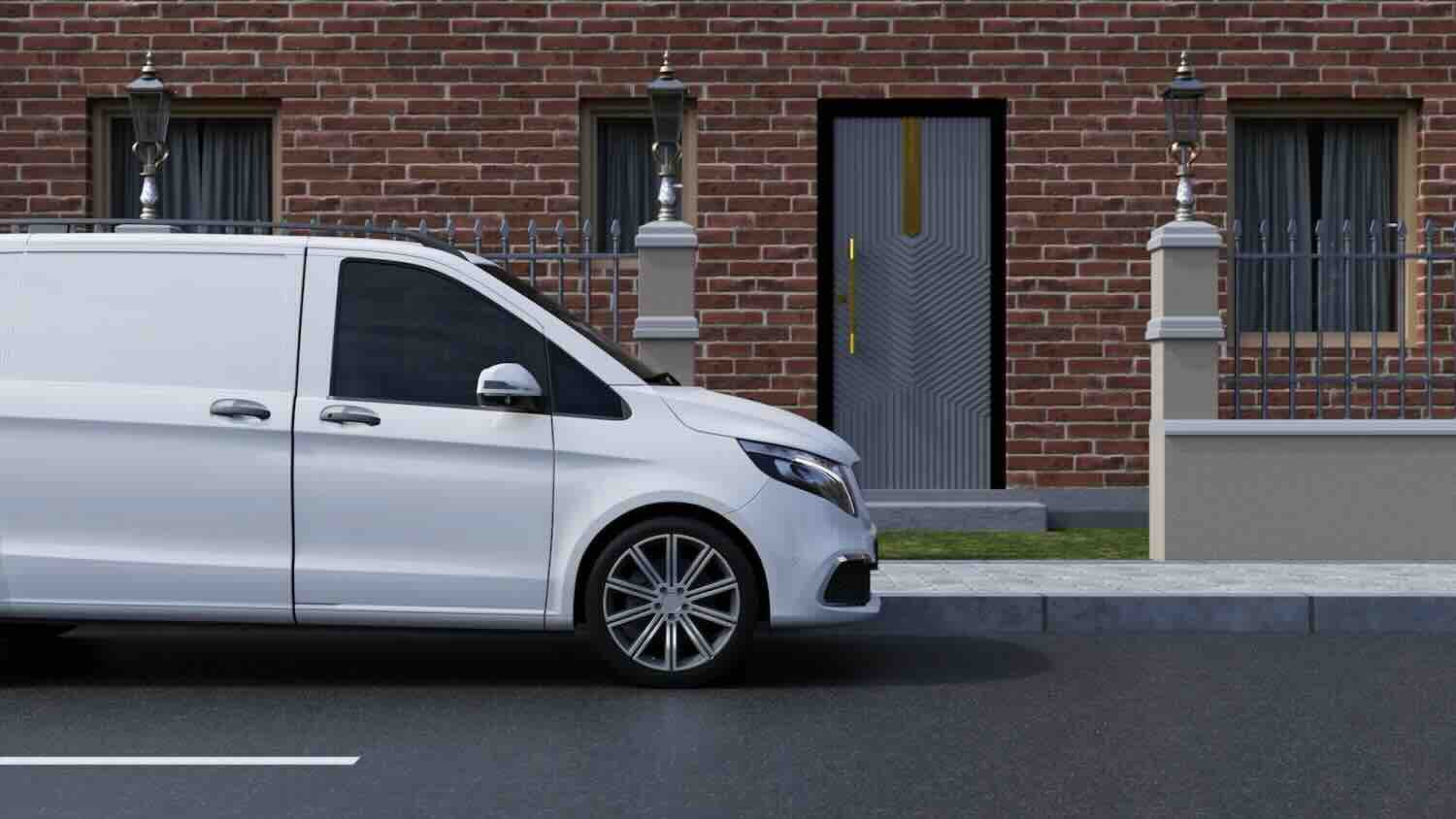
Hot shot truck side view
32–40 ft16,000 lbs
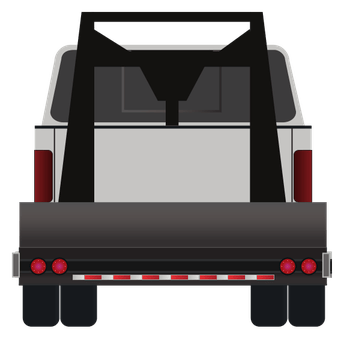
Hot shot truck rear view
102 inWide
120 inHigh
Deck length32–40 ft
Payload16,000 lbs
Deck width102 in
Load height120 in
Best for

Machinery, pipe, valves, job site equipment

About hot shot trucks

A hot shot pairs a heavy-duty pickup with a flatbed or gooseneck trailer. It is the fast choice for urgent equipment and materials, and many trailers have ramps so rolling equipment can drive on.

Price a hot shot truck

Send the equipment, weight and route, and we'll match a hot shot or a larger truck.

Talk to dispatch(800) 604-2511 Get a hot shot quote
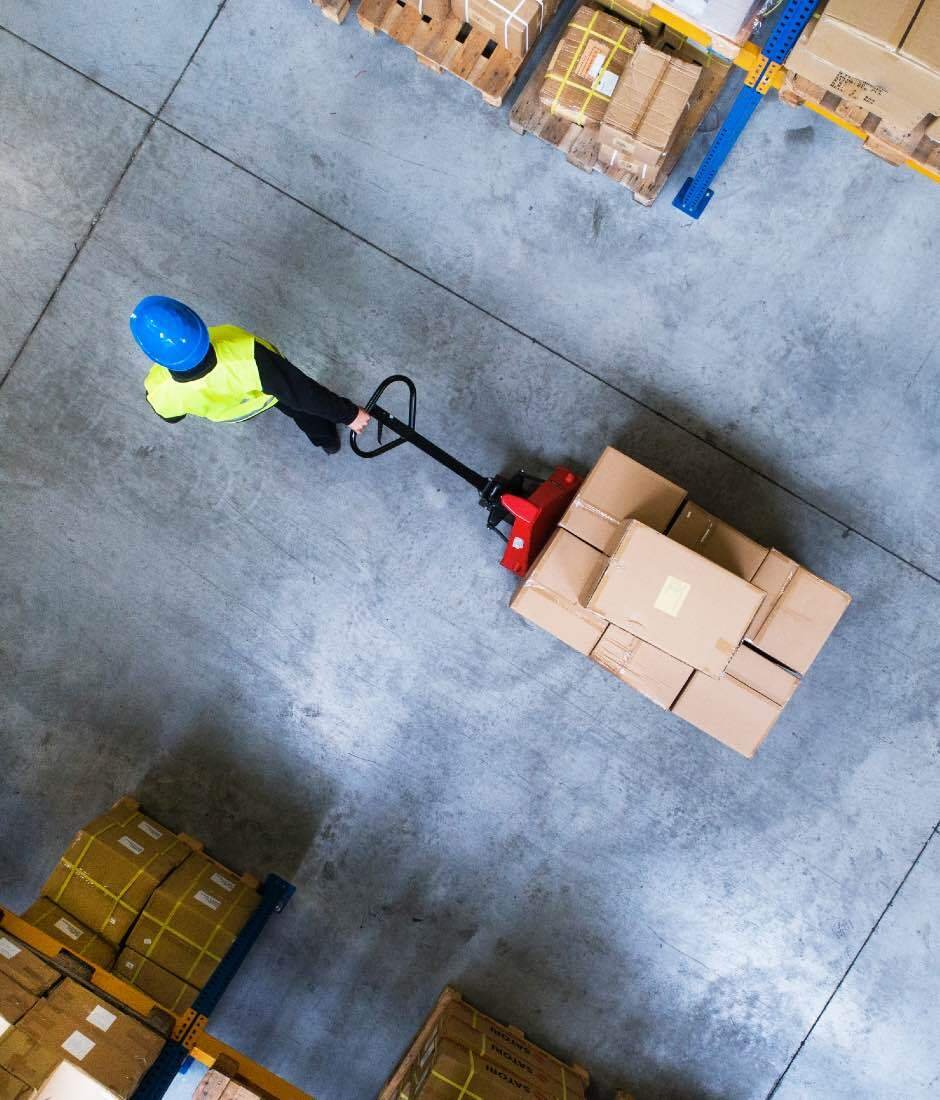
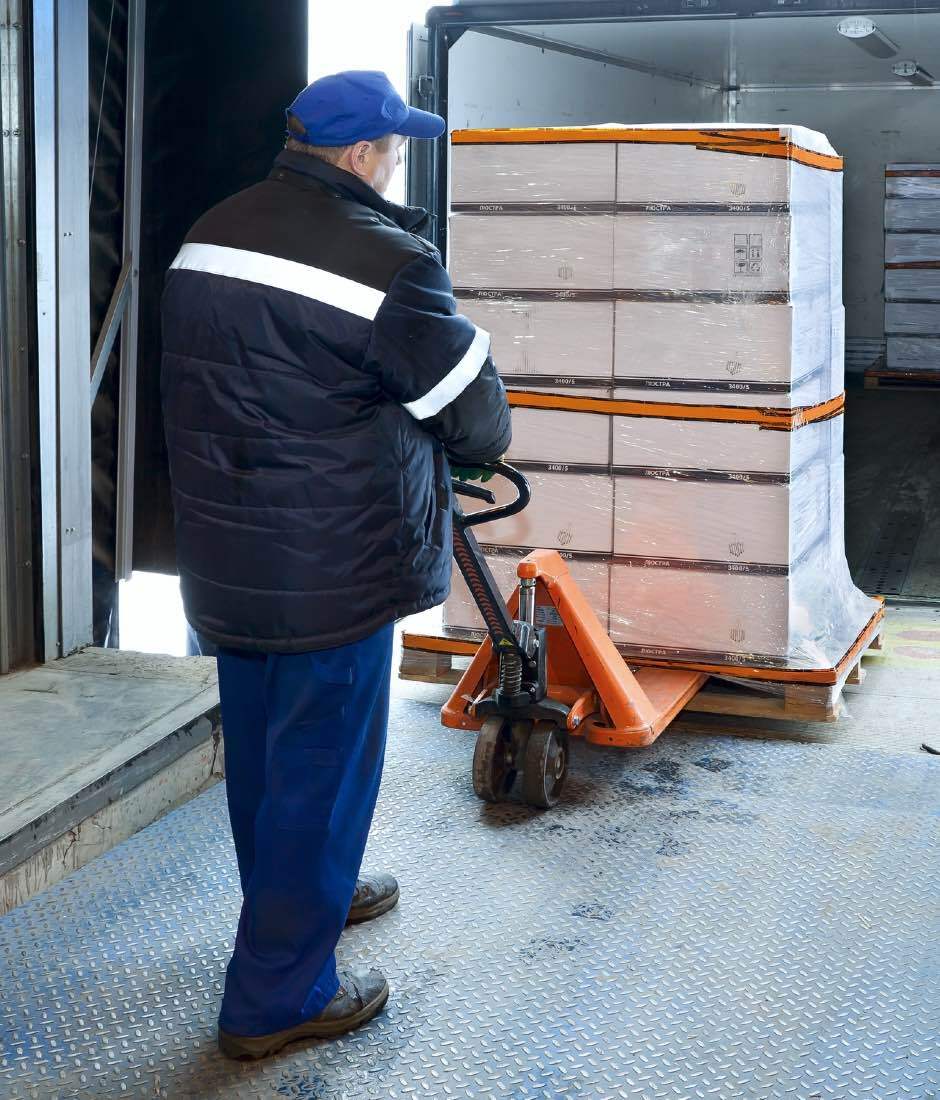
Worker loading a truck
In short

Pickup, gooseneck, 40 ft deck

A one-ton or larger pickup towing up to 16,000 lbs, with ramps or a tilt deck for machines.

Hot shot equipment Trailers and decks

The trucks and trailers behind a hot shot

Skip the wait for a full-size rig when the load is mid-size. We dispatch a hot shot sized to your freight, so the truck can roll as soon as it is loaded.

The truck is a one-ton or larger pickup, often a dually, built to tow heavy trailers. Behind it sits a flatbed deck of up to about 40 ft, and a hot shot can carry up to 16,000 lbs of freight. Most long runs use a gooseneck hitch, which sits over the rear axle and keeps heavy loads stable at highway speed.

Picking the right trailer removes a step at both ends, which saves loading time and cuts the risk of a load that will not fit. A dovetail or ramps let wheeled equipment drive on, and a tilt deck lowers for machines with little ground clearance. Your load stays on that one truck and trailer from your dock to final delivery.
Hot shot trailer types

Gooseneck, bumper pull, dovetail or tilt deck

Most hot shot runs use one of four trailer setups. Read across to see which suits your load; HotShotTrucking.com matches the trailer to your freight when it books the truck.

Gooseneck Hitch over the axle Bumper pull Hitch at the bumper Dovetail Sloped rear deck Tilt deck Deck tilts to load
Carries the heaviest loads Yes: Strongest hitch setup No: Lighter loads only Sometimes: Depends on its hitch Sometimes: Depends on its hitch
Stable at highway speed Yes: Weight sits over the axle Sometimes: More sway with heavy freight Sometimes: Same as its hitch type Sometimes: Same as its hitch type
Easy for wheeled equipment Sometimes: Needs ramps Sometimes: Needs ramps Yes: Short climb to the deck Yes: Deck lowers to the ground
Suits low-clearance machines No: Ramps can be too steep No: Ramps can be too steep Sometimes: Gentler angle, not flat Yes: Lowest loading angle
Common on long runs Yes: Standard for long hauls Sometimes: Better for short trips Sometimes: Often built as a gooseneck Sometimes: Used mostly for equipment
Best when Heavy loads over long distances Light loads on short trips Wheeled equipment drives on Low machines cannot climb ramps

Gooseneck

Hitch over the axle
Carries the heaviest loads
Yes: Strongest hitch setup
Stable at highway speed
Yes: Weight sits over the axle
Easy for wheeled equipment
Sometimes: Needs ramps
Suits low-clearance machines
No: Ramps can be too steep
Common on long runs
Yes: Standard for long hauls
Best when
Heavy loads over long distances

Bumper pull

Hitch at the bumper
Carries the heaviest loads
No: Lighter loads only
Stable at highway speed
Sometimes: More sway with heavy freight
Easy for wheeled equipment
Sometimes: Needs ramps
Suits low-clearance machines
No: Ramps can be too steep
Common on long runs
Sometimes: Better for short trips
Best when
Light loads on short trips

Dovetail

Sloped rear deck
Carries the heaviest loads
Sometimes: Depends on its hitch
Stable at highway speed
Sometimes: Same as its hitch type
Easy for wheeled equipment
Yes: Short climb to the deck
Suits low-clearance machines
Sometimes: Gentler angle, not flat
Common on long runs
Sometimes: Often built as a gooseneck
Best when
Wheeled equipment drives on

Tilt deck

Deck tilts to load
Carries the heaviest loads
Sometimes: Depends on its hitch
Stable at highway speed
Sometimes: Same as its hitch type
Easy for wheeled equipment
Yes: Deck lowers to the ground
Suits low-clearance machines
Yes: Lowest loading angle
Common on long runs
Sometimes: Used mostly for equipment
Best when
Low machines cannot climb ramps

Trailer features often combine, such as a gooseneck with a dovetail.

5.0 from 1,600+ reviews on

Know how a hot shot works? Get a quote for your load.

Send your pickup, delivery and freight details. A dispatcher matches a hot shot truck and trailer to your load, books it and keeps you updated until it is delivered.

  • John Mark was a pleasure to work with and kept me updated on the driver's progress as it was an urgent and timely delivery we needed 11 hours away.

    Kenneth
  • Fantastic! I called and spoke to an extremely helpful gentlemen by the name of Kevin at 7:00 p.m. I couldn't ask for a better experience. Quick, Courteous, and had a driver sitting in PA at 9:30 the next morning.

    Devin

Request a Quote

Step 1 of 3Origin and Destination Info

worker-metal
Good to know

Open decks load from any side

Forklifts and cranes can load a flatbed from the side or top, which suits long or awkward freight.

Hot shot freight Industries

The freight hot shots carry

When your freight is too big for a van but too small for a semi, a hot shot gives you a dedicated open-deck truck. Oilfield crews use them for pumps, valves and pipe. Contractors use them for steel, lumber, rebar and small excavators. Farms ship replacement parts for planters and combines in the middle of harvest.

We support those loads with gooseneck, flatbed and dovetail setups, including trailers that can carry a vehicle or a compact tractor. Plants call for a hot shot when one part stops a line and the replacement sits hundreds of miles away.

It's also the right call for a single machine or crate with a firm deadline. You avoid paying for a trailer you will not fill. We match each load to the right deck and keep one dispatcher on it until delivery.

Freight by the numbers

Why a waiting load costs so much

A stopped line or an idle crew costs far more than the freight bill. These figures show what is at stake when a load sits, and how trucks carry the country's freight.

One hour of downtime

$2.3 millionauto plant

Automotive $2.3 million
FMCG $36,000

Source: Siemens (Senseye), The True Cost of Downtime 2024, 2023

Average truck operating cost

$2.336

Driver wages $0.818
Fuel $0.48
Truck/trailer $0.40
Repair $0.22

Source: ATRI Operational Costs of Trucking 2026 update, via FleetOwner, 2025

worker-factory-welding
Why it matters

Distance decides the driver plan

Long runs may need a team so the truck keeps moving within federal driving limits.

Hot shot dispatch Dispatch

How a hot shot run is dispatched

A hot shot dispatch is smaller than a truckload booking but faster to set in motion, because it starts with one load and one deadline. The first step is finding a truck and trailer near your pickup that fit the freight. The driver then heads straight to your dock, loads, and drives directly to the delivery address with no terminal stops.

Regional runs usually go with one driver. Long cross-country runs can use a team. Two drivers take turns, so the truck keeps moving while one rests. Federal hours-of-service rules cap how long one driver can drive before resting, so distance shapes the plan.

HotShotTrucking.com matches the truck, trailer and driver plan to your freight and your deadline. You get updates from one dispatcher as the run unfolds, from pickup to delivery.

Inside a hot shot run

What happens on a hot shot run

Once a hot shot is booked, the run follows a clear sequence from dispatch to signature. Here is what happens at each stage and what you can expect to hear.

  1. 01

    Dispatch to your pickup

    A truck and trailer that fit your freight head to your dock. You get the driver's details and an expected arrival window before the truck pulls in.

    • Trailer match
    • Driver details
  2. 02

    Load and secure

    Your team or a forklift loads the freight, and the driver secures it with straps or chains suited to the load. Tarps go on when the freight needs protection from weather.

    • Straps and chains
    • Tarps
  3. 03

    Sign and depart

    The driver checks the pieces against the bill of lading, both sides sign, and the truck leaves for the delivery address with no terminal stops along the way.

    • Bill of lading
  4. 04

    Drive straight through

    A solo driver takes required rest breaks under federal rules. On long runs, a team swaps at the wheel so the truck keeps moving toward your delivery.

    • Hours of service
    • Driving team
  5. 05

    Follow the truck

    Your dispatcher follows the truck and passes along location updates. If weather, traffic or a road closure changes the plan, you hear about it right away.

  6. 06

    Deliver and confirm

    The receiver checks and signs for the freight. A proof of delivery with the time and signature comes back to you, which closes out the run.

    • Proof of delivery

Driving limits follow FMCSA hours-of-service rules; long runs may need a team.

worker-factory-box
The right fit

Match the truck to the load

The best truck is the smallest one that carries your freight safely and meets your deadline.

Truck options Right fit

When a different truck fits better

No matter how urgent your load is, we're here to put it on the truck that fits, even if that is not a hot shot.

Small boxed freight that must stay dry usually rides better in a sprinter van, which carries up to 3,000 lbs, or a box truck. Larger enclosed loads suit a straight truck or a 53 ft dry van, which carries up to 42,000 lbs. Past hot shot weight or length, a full flatbed carries up to 48,000 lbs on a 48 to 53 ft deck. For the tightest cross-country deadlines, we can also arrange air freight.

You'll work one-on-one with a single dispatcher who will guide you from the first call to final delivery, whichever truck carries the load. Tell us what you need to move, and we'll handle the rest.

Hot shot and other trucks

Trucks for hot shot transportation

Hot shot truck5 / 6

Hot shot truck side view
32–40 ft16,000 lbs
Hot shot truck rear view
102 inWide
120 inHigh
Deck length32–40 ft
Payload16,000 lbs
Deck width102 in
Load height120 in
Best for

Machinery, pipe, valves, job site equipment

About hot shot trucks

A hot shot pairs a heavy-duty pickup with a flatbed or gooseneck trailer. It is the fast choice for urgent equipment and materials, and many trailers have ramps so rolling equipment can drive on.

Price a hot shot truck

Send the equipment, weight and route, and we'll match a hot shot or a larger truck.

Talk to dispatch(800) 604-2511 Get a hot shot quote
Watch on YouTube
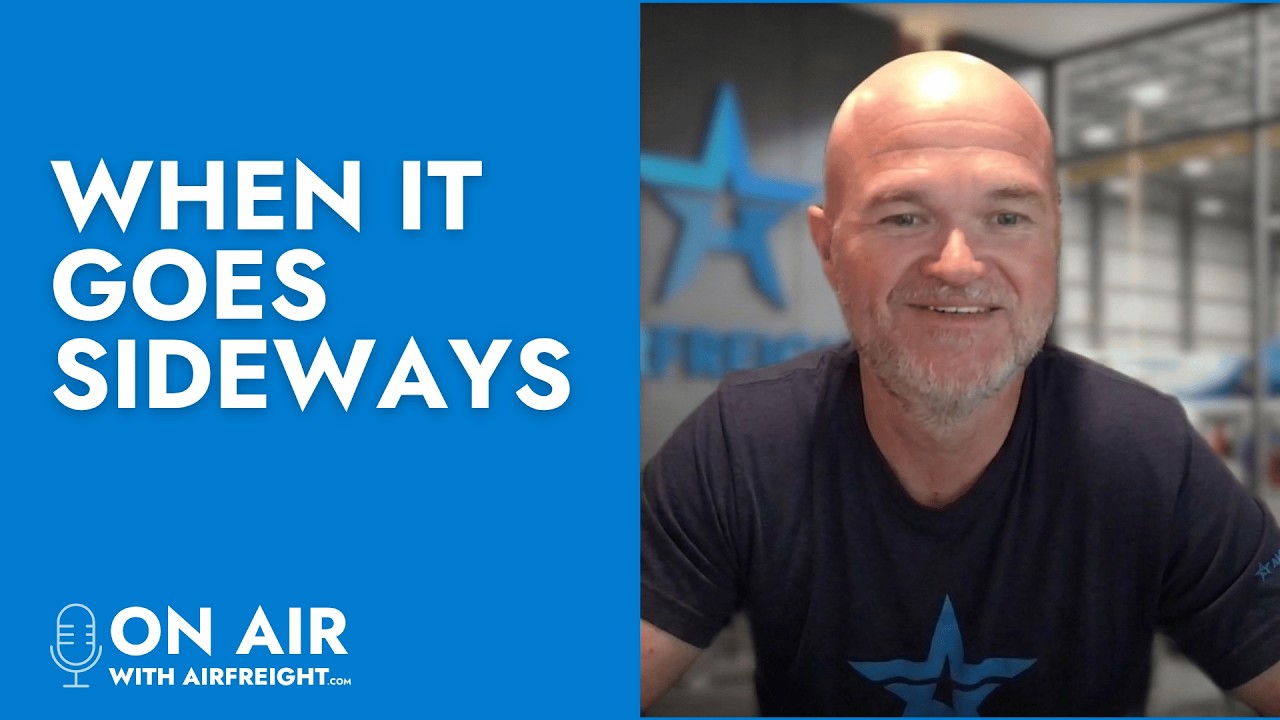
When a shipment goes sideways
Episode 9 Aug 31, 2026 22 min

When a Shipment Goes Sideways: Todd Anderson on Trust in Expedited Freight

Todd Anderson has been an expediting agent at AirFreight.com since 2019, after nearly Todd Anderson has been an expediting agent at AirFreight.com since 2019, after nearly ten years at one of the largest expeditors in the country. He and host Kevin Carpenter break down what separates expedited freight from standard LTL, how the mode decision actually gets made on a live shipment, and how AirFreight.com vets carriers before they ever see a load. Covered in this episode: air charter, hand carry, next flight out (NFO), expedited ground and dedicated truck service, hotshot terminology by region, carrier vetting and compliance screening, automated tracking, and what happens when a shipment goes wrong.

Freight News
Trucking · Driver rules

FMCSA moves to make English proficiency an out-of-service rule

A proposed federal rule would make failing an English proficiency check an out-of-service violation, which can stop a truck and the freight on it.

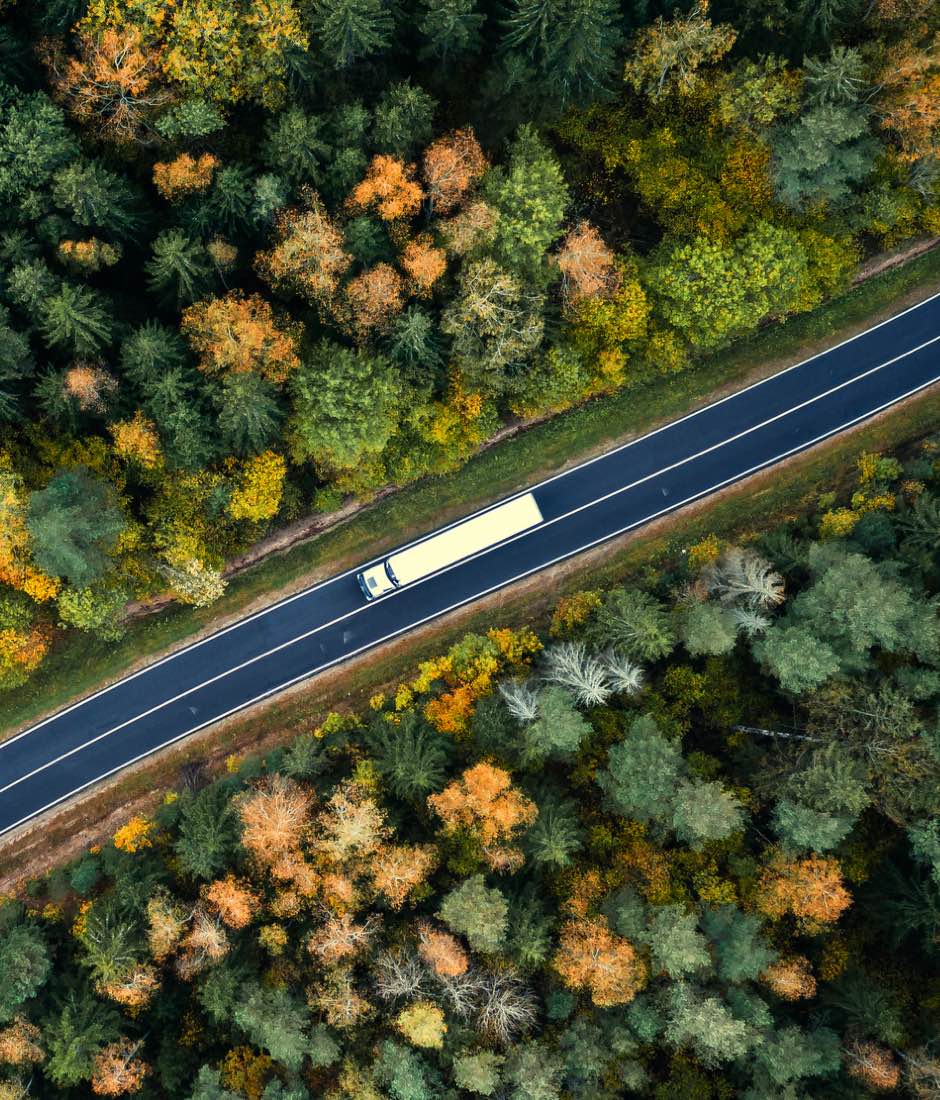
Aerial view of a truck on the highway
At a glance · August 2026

Inspections can stop a load

A truck placed out of service at a roadside inspection waits until the problem is fixed.

A rule to codify enforcement

According to the Federal Register, FMCSA proposed on August 10, 2026 to codify the English language proficiency requirement for drivers as an out-of-service violation.

Source: Federal Register (FMCSA proposed rule), August 10, 2026

Why it is happening

The rule would align federal regulations with roadside standards already used by the Commercial Vehicle Safety Alliance, which petitioned for the change. Comments closed on October 9, 2026.

What it means for your freight

A driver placed out of service cannot continue the run. HotShotTrucking.com keeps one dispatcher on your load and tells you right away if anything stops the truck.

5.0 rated on Trustpilot

Ready to Book Hot Shot Transportation?

If the load fits a hot shot, send the details for a quote. If it needs a bigger truck, we will tell you that too and price the one that fits.

What shippers get

Fast Answers and Driver Updates

“Quick with responses and driver updates.” — Ryan

A Truck Booked the Same Morning

“Called at 9:30am for a hotshot from Dallas to Waller TX.” — Kollin

Same-Day Pickup, Long-Distance Delivery

“Had a truck that morning and delivered that night 500 miles away!” — Michelle

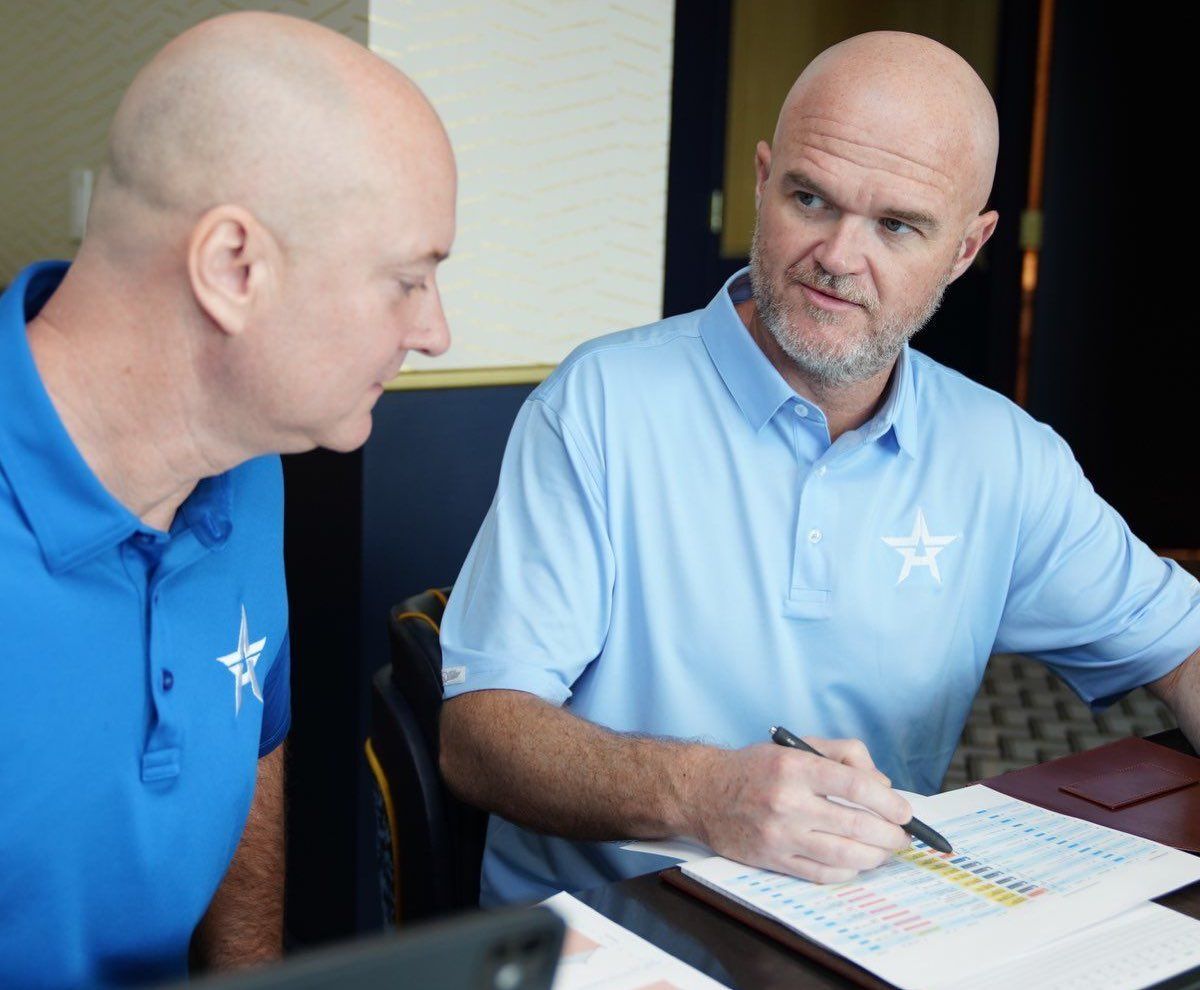
Expeditors Steve and Todd

“I had a single point of contact assigned to our shipment that was fantastic on keeping me updated every step of the way.”

Pamela · Trustpilot
HowWe Work

One Person, Start to Finish

When you call HotShotTrucking.com, a real person takes your load details, books the truck and manages the shipment until it is delivered. You don't repeat your story to someone new halfway through the run. The person who booked the truck is the one who calls you with updates, any hour of the day.

  • A dedicated point of contact for each load
  • Updates at pickup, in transit and delivery
  • Dispatch available around the clock
Expeditor Andy

“I called up at 7:30 pm... one that was secured cancelled at the end of the day. Todd quoted three shipments on the spot... The last shipment was picked up at Midnight.”

Susan · Trustpilot
WhatWe Provide

The Right Mode, Every Time

We are a licensed freight broker, so we aren't tied to one fleet or one trailer type. We book a hot shot when it fits, and a sprinter van, box truck, straight truck, dry van or full flatbed when it doesn't. A licensed carrier hauls your freight, and the truck is sized to the load. When a truck is too slow, we can arrange air.

  • Hot shot, flatbed and enclosed truck options
  • Equipment matched to weight, size and deadline
  • Air freight arranged when a truck is too slow
Expeditor Steve

“True to word. They did exactly what they said they would do.”

Dan · Trustpilot
WhoWe Are

Honest With You, Always

Urgent freight is stressful enough without guessing where it is. We tell you which truck is coming, what it costs before you commit and when it should arrive. If a delay comes up, you hear it from us first, along with the plan to deal with it. If a different truck would serve the load better, we say so before you book.

  • Clear price before the truck rolls
  • Prompt word on delays and the fix
  • Honest advice when another truck fits better

Hot Shot Transportation Questions Answered

What is hot shot transportation?

Hot shot transportation is a trucking service that uses a heavy-duty pickup or medium-duty truck pulling a flatbed or gooseneck trailer to move one shipment at a time. The truck is dispatched for that load alone, so it can leave as soon as the freight is loaded and drive straight to the delivery address without stopping at terminals. It is built for mid-size freight that is too large or heavy for a cargo van but does not need a full tractor-trailer, such as machine parts, pipe, building materials and compact equipment. Because the truck is smaller than a semi, it can often be found closer to the pickup and reach job sites that larger rigs have trouble getting into.

What is the difference between hot shot, expedited and full truckload freight?

All three can move urgent freight, but they use different equipment. Hot shot uses a pickup or medium-duty truck with an open flatbed or gooseneck trailer, which suits mid-size loads that can ride uncovered or under a tarp. Expedited freight is a broader term for any time-critical shipment, and it often means an enclosed sprinter van, box truck or straight truck that keeps freight out of the weather. Full truckload means a tractor-trailer with a 48 or 53 ft trailer, used for the largest loads. A full truckload carries far more, but it can take longer to line up and costs more when the freight fills only part of the trailer.

What kind of truck is used for hot shot trucking?

Most hot shot trucks are heavy-duty pickups rated at one ton or more, often with dual rear wheels, or medium-duty trucks in Class 3 to Class 5. These trucks have the engine, frame and suspension to tow loaded trailers safely at highway speed. The trailer is usually a flatbed, either a gooseneck that hitches in the truck bed over the rear axle or a bumper pull that hitches at the back. Many hot shot trailers add features such as a dovetail, ramps or a tilting deck to help load wheeled equipment. The combination of truck and trailer sets how much a hot shot can carry, which is why carriers match the setup to each load.

What is the difference between a gooseneck and a bumper pull trailer?

The difference is where the trailer connects to the truck. A gooseneck hitch sits in the truck bed, over or just ahead of the rear axle. That placement puts the trailer's tongue weight on the strongest part of the truck, which allows heavier loads and gives better stability and tighter turning at highway speed. A bumper pull trailer connects to a hitch at the rear of the truck, behind the axle. It is simpler to hook up and works well for lighter loads and shorter trips, but it carries less and is more prone to sway when loaded heavily. For most long or heavy hot shot runs, the gooseneck is the standard choice.

What freight is best suited to hot shot transportation?

Hot shot works best for freight that is mid-size, can ride on an open deck and needs to move quickly on its own truck. Common loads include oilfield pumps, valves and pipe; construction steel, lumber and rebar; compact excavators, skid steers and other small equipment; farm machinery parts; and replacement parts for manufacturing lines that have stopped. Vehicles and compact tractors also ride well on hot shot trailers with ramps or a dovetail. Freight that must stay dry, such as boxed electronics or paper goods, is usually better in an enclosed van. Very large or heavy loads that exceed hot shot limits belong on a full flatbed or specialized trailer instead.

Is hot shot only for local loads or can it run cross-country?

Hot shot trucks run every distance, from a few miles across town to coast to coast. Local and regional runs are common because a hot shot can be found near the pickup quickly and can reach job sites, farms and plants that are hard for a semi to access. Long runs work too, because the truck drives straight through with no terminal stops or transfers. On the longest runs, the main limit is driving time. A solo driver must stop for required rest under federal hours-of-service rules, so cross-country hot shots are often planned with a team of two drivers who take turns behind the wheel and keep the truck moving.

When does a hot shot run use a driving team?

A driving team is used when a run is too long for one driver to finish by the deadline within federal hours-of-service limits. A solo driver has to stop for required rest periods, which adds hours to a long trip. With a team, two drivers share the truck and take turns, so one drives while the other rests and the truck keeps moving through the day and night. Driving teams are common on cross-country hot shot runs and on urgent loads, such as a part for a stopped production line far away. For shorter regional runs, a single driver can usually complete the trip within the rules, so a team is not needed.

Do hot shot drivers need a CDL?

It depends on the weight of the truck and trailer. Under federal rules, a driver needs a Class A commercial driver's license when the combined weight rating of the truck and trailer is 26,001 pounds or more and the trailer itself is rated over 10,000 pounds. Many hot shot setups with heavy-duty pickups and gooseneck trailers reach that level, so their drivers hold a CDL. Lighter combinations can run without one, but an interstate commercial vehicle over 10,000 pounds still needs a USDOT number, and the driver needs a DOT medical card. For a shipper, the takeaway is that heavier hot shot loads require a properly licensed driver and setup.

Do hot shot drivers need an ELD?

Most hot shot drivers who haul freight across state lines and are required to keep records of duty status must use an electronic logging device. The ELD records driving time automatically, which is how hours-of-service limits are tracked and enforced at roadside inspections. There are exceptions. Drivers who stay within a short-haul radius and return to their starting point each day can be exempt, and trucks with engines older than model year 2000 are also excluded. For a shipper, ELDs matter because they make driving time visible and predictable. A long run is planned around those logged limits, which is why distance and deadline decide whether a run needs a team.

Can hot shot drivers sleep in their trucks?

Drivers can rest in their trucks, but most hot shot pickups do not have a sleeper berth, the separate sleeping compartment found in many semi tractors. Federal rules require a driver to take 10 consecutive hours off duty after a full driving shift, and the split sleeper berth option only applies to trucks with a berth that meets federal standards. As a result, hot shot drivers on long runs usually take their off-duty time at a motel or a safe parking area. This is one reason long hot shot runs are often planned with a driving team. Two drivers can share the driving, so the freight keeps moving while one driver is off duty.

Get a quote

Put your load on one truck sent just for it

Enter your pickup, delivery and dates. A dispatcher matches a hot shot or the right truck to your freight and sends you a quote.

5.0 from 1,600+ reviews on

Request a Quote

Step 1 of 3Origin and Destination Info

They were very fast. Picked up the item in about 3 hours of first contact and drove it straight to the destination with regular updates.

Eric · Verified review on Trustpilot
CTA Hero Star Background
TOP