
Skip to content
5.0 rated on Trustpilot

Trucking Brokers

Your freight needs a truck, and you do not have one lined up. A trucking broker finds a licensed carrier with the right truck and manages the move to delivery. HotShotTrucking.com offers that service, with one dispatcher on your load from quote to delivery.

What you get

Smooth Moves You Repeat

“Everything went smoothly and I will definitely use Hot Shot Trucking again.” — Jerid

Fast Replies and Updates

“Quick with responses and driver updates.” — Ryan

A Truck the Same Morning

“Called at 9:30am for a hotshot from Dallas to Waller TX.” — Kollin

TRUCKING BROKERS

One Call That Covers Any Truck You Need

Your freight needs a truck, and you don’t have one lined up. Calling carriers one by one takes hours, and the first truck available is not always the right one.

HotShotTrucking.com books a licensed carrier with the right equipment and manages the move to delivery. One dispatcher stays on your load from quote to proof of delivery.

A broker is only as good as the carriers it books. We check each carrier’s operating authority and insurance before the load is tendered, confirm the equipment matches your freight and send a written rate confirmation. If a truck falls through, we book another one.

A broker can book almost any truck. These three are the ones shippers ask for most, and the next section explains what a trucking broker does.

SMALL URGENT LOADS sprinter-vans

Sprinter Vans

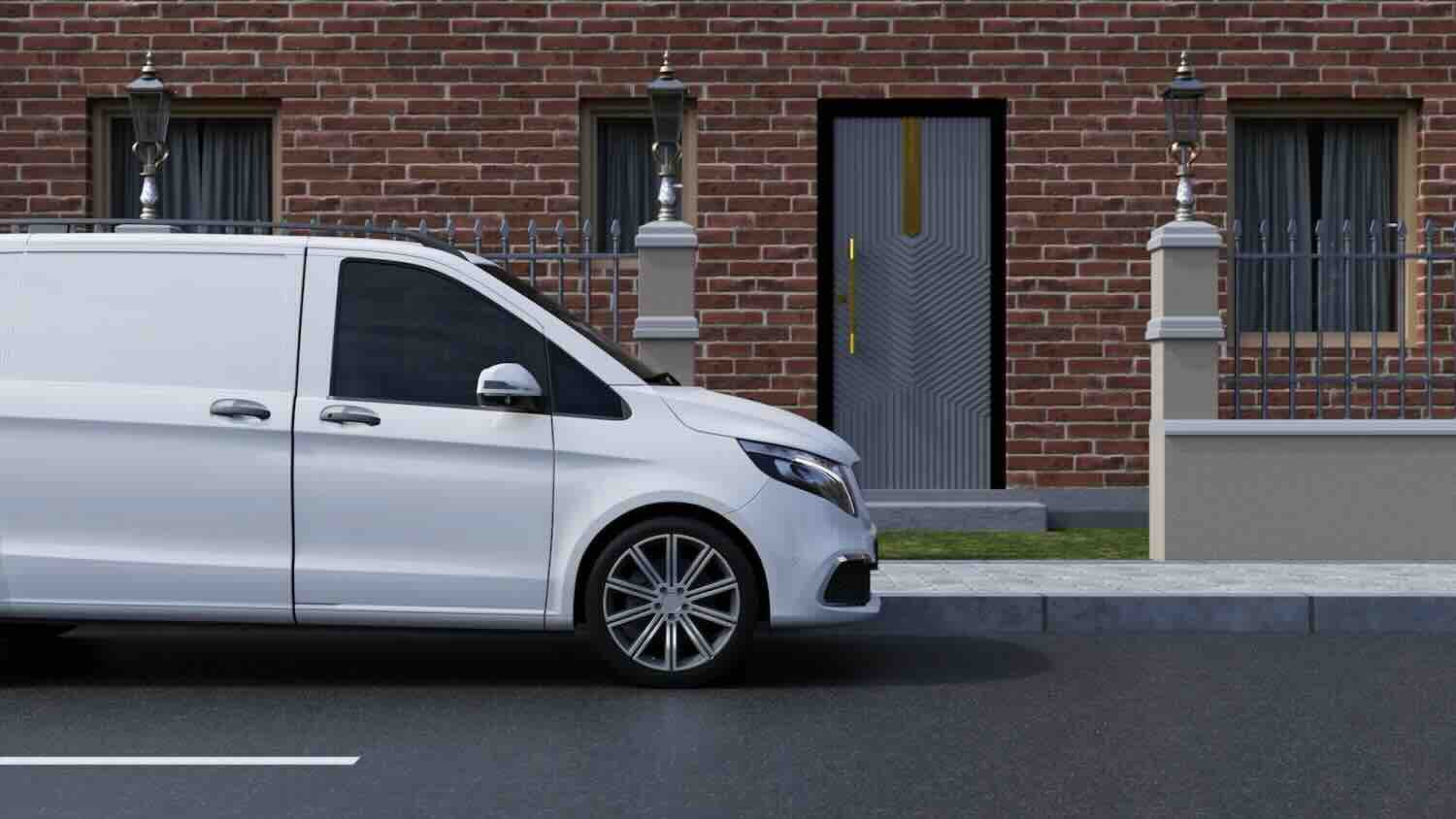
A cargo van carries up to 3,000 lbs of parts or cartons straight to the receiver. Vans keep freight locked and dry the whole way. They are often the quickest truck to book for a small load.

Sprinter Van Services about Small urgent loads
OPEN-DECK FREIGHT flatbed-trucks

Flatbed Trucks

A 48 to 53 ft flatbed takes up to 48,000 lbs of steel, lumber and machinery. Step decks are available for taller loads. Loads can be tarped for weather.

Flatbed Services about Open-deck freight
FULL TRAILERS 53-ft-dry-vans-1

53' Dry Vans

A 53 ft dry van moves up to 42,000 lbs of enclosed freight on a dedicated run. Dry vans suit palletized freight of almost every kind. On long runs, two drivers can keep the truck moving.

Dry Van Services about Full trailers
Expeditor at his desk tracking a shipment
In short

Finds the truck, runs the move

A trucking broker books a licensed carrier for your load and manages it to delivery.

Trucking brokers What they do

What a trucking broker does

Most shippers do not own trucks, and most carriers do not have a sales team calling every shipper. A trucking broker sits between them. It does not own trucks or take custody of freight. Instead, it finds a licensed carrier with the right equipment, agrees the rate and issues a rate confirmation.

From there, the broker manages the move. It confirms the pickup, tracks the truck, handles delays and closes out the load with proof of delivery. Brokers work under federal broker authority from FMCSA.

Shippers use brokers because truck capacity is spread across many small carriers. A broker reaches them quickly, so one call can cover a van, a flatbed or a full trailer.

Aerial view of a truck driving on the road
Worth knowing

You pay for the search

The broker's margin covers finding the truck and managing the move to delivery.

How brokers earn How they earn

How trucking brokers earn

A broker earns the difference between what the shipper pays for the load and what the carrier is paid to haul it. That margin is the broker's fee for finding the truck, managing the move and handling problems along the way.

For the shipper, the margin covers real work. Someone searches for a carrier with the right truck, checks its authority and insurance, and confirms the details in writing. That same person stays reachable if the truck breaks down or the delivery time moves.

The market sets most of the cost. Distance, truck type, timing and how many trucks are available all matter more than the margin itself. Brokers that book many carriers can often find capacity when a single fleet is full.

53 ft dry van truck
Quick guide

Varied freight? Broker

A broker helps most when loads, lanes and truck sizes change from week to week.

Your options Compared with other options

Brokers, carriers, 3PLs and load boards

A trucking carrier owns its trucks and hauls the freight itself. It suits steady freight on lanes it runs often. A broker books carriers instead of owning trucks, so it can match each load with whatever truck fits.

A 3PL, or third-party logistics provider, often adds warehousing, inventory and broader supply chain work to transportation. Many 3PLs also broker freight. A load board is an online marketplace where loads and trucks are posted, but you do the calling, checking and tracking yourself.

Brokerage covers every kind of truck. That includes expedited Sprinter vans and box trucks, hot shots for equipment, flatbeds for open-deck freight and 53 ft dry vans for full loads.

5.0 from 1,600+ reviews on

Need a truck found for you? Get a quote.

Send your pickup, delivery, dimensions, weight and date. A dispatcher books the right truck and keeps you updated until your freight is delivered.

  • John Mark was a pleasure to work with and kept me updated on the driver's progress as it was an urgent and timely delivery we needed 11 hours away.

    Kenneth
  • At 5pm the I Sent info for our equipment to be moved the next day and Todd made it happen. Had a truck that morning and delivered that night 500 miles away! Thanks for the excellent work

    Michelle

Request a Quote

Step 1 of 3Origin and Destination Info

worker-factory-welding
Rule of thumb

Hard to find? Use a broker

Brokers help most when the truck is hard to find or the load is urgent.

Is it worth it When to use one

When a broker is worth it

A broker earns its fee when finding the truck is the hard part. Urgent loads are the clearest case, because a broker can search many carriers at once. New lanes are another, since your regular carriers may not run them.

Unusual equipment needs, such as a hot shot, a liftgate box truck or a flatbed, also favor a broker. So does overflow when your usual carriers are full, and freight that needs one contact for many truck types.

Going direct can make sense too. A shipper with steady freight on a regular lane and a carrier it trusts may not need a broker for that freight. Many shippers use both, keeping a broker for urgent loads and the freight that does not fit the routine.

Trucks a broker can book

Which truck does the load need?

Straight truck3 / 6

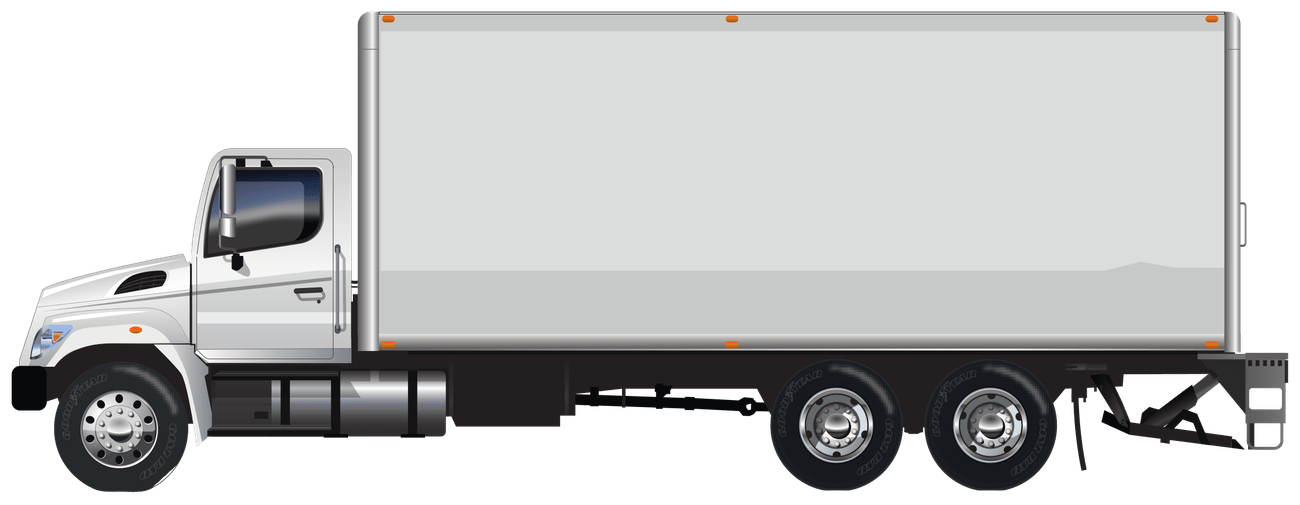
Straight truck side view
22–26 ft9,000 lbs
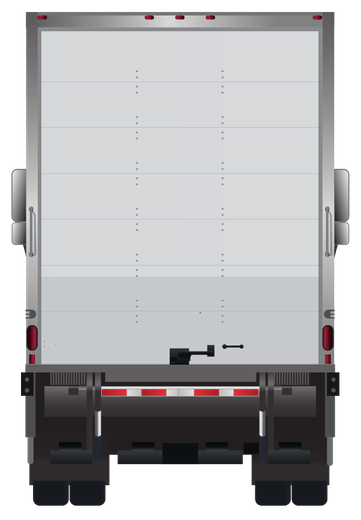
Straight truck rear view
96 inWide
96 inHigh
Cargo length22–26 ft
Payload9,000 lbs
Interior width96 in
Interior height96 in
Best for

Pallets, crates, trade show freight

About straight trucks

A 22 to 26 ft enclosed truck for loads that do not fill a trailer, often with a liftgate. A dock-high box lets it back up to a warehouse door and load by forklift.

Trucking by the numbers

Trucking by the numbers

$2.336

average cost per mile to operate a truck in 20251

What it means for you

Every truck carries the cost of the driver, fuel, equipment and repairs. Carriers build those costs into every load, so the rate a broker can secure depends on distance, truck type and how many trucks are available.

$3.660

US average retail diesel price per gallon in 20252

Diesel is one of the largest costs of running a truck, so fuel prices shape what carriers ask for each load.

73%

of US freight value moved by truck in 20243

Trucks carry most of the value of US freight, so the way you book trucks touches most of your supply chain.

73.6%

of US-Mexico trade value moved by truck in 20254

High driver turnover keeps capacity uneven, which is when a broker that searches many carriers helps most.

How a brokered load works

From quote to delivery with a broker

A brokered shipment follows six steps. HotShotTrucking.com handles each one with you, from the quote to proof of delivery.

  1. 01

    Send your load details

    Share pickup and delivery addresses, dimensions, weight, piece count, dock details and the deadline.

    • Dimensions
    • Weight
    • Deadline
  2. 02

    Carrier booked, rate confirmed

    A licensed carrier with the right truck is booked, and the rate and load details are confirmed in writing.

    • Rate confirmation
  3. 03

    Confirm the pickup

    You get a pickup time and the driver's arrival window. Delivery appointments are set at the same time.

  4. 04

    Load and depart

    The freight is loaded and secured, and the driver signs the bill of lading before leaving.

    • Bill of lading
  5. 05

    Drive direct with updates

    The truck drives straight to the delivery address with no terminal stops. You get updates along the way without chasing anyone.

  6. 06

    Deliver with proof

    The freight is unloaded and signed for at delivery. You receive proof of delivery to close out the shipment.

    • Proof of delivery
Construction workers on site
One contact

One dispatcher, start to finish

The same dispatcher books your truck and stays with the load until delivery.

Our service HotShotTrucking.com

Trucking brokerage from HotShotTrucking.com

Everything this page describes is a service HotShotTrucking.com offers. We are a trucking broker that books dedicated trucks for shippers across the lower 48 states.

That means Sprinter vans and box trucks for small urgent freight and straight trucks for partial loads. Hot shots carry equipment and materials, and flatbeds and 53 ft dry vans handle full loads. Each truck carries only your freight and drives straight to the delivery address, with no terminal stops.

You work with one dispatcher from the quote to the signed delivery. That person books the truck, confirms the pickup and keeps you updated along the way. Our dispatch team is available around the clock, including weekends and holidays.

One Call Covers the Truck You Need

Watch on YouTube
Broker or logistics partner?
Episode 8 Aug 17, 2026 24 min

The Real Difference Between a Broker and a Logistics Partner

John Mark Peterson, one of AirFreight.com's top expediting agents, joins Kevin Carpenter to talk about what it's really like inside a traditional truckload brokerage, and why he left it behind. From "boiler room" sales culture to carrier accountability to what happens when a shipment is actually time critical, John Mark breaks down the differences most customers never see.

They cover the vetting process behind AirFreight.com's carrier pool, why "somewhat time critical" doesn't mean the same thing everywhere, and how a company built for the most urgent loads operates differently from a volume-driven brokerage. The episode closes with a fast round of personal questions on the On Air Gauntlet.

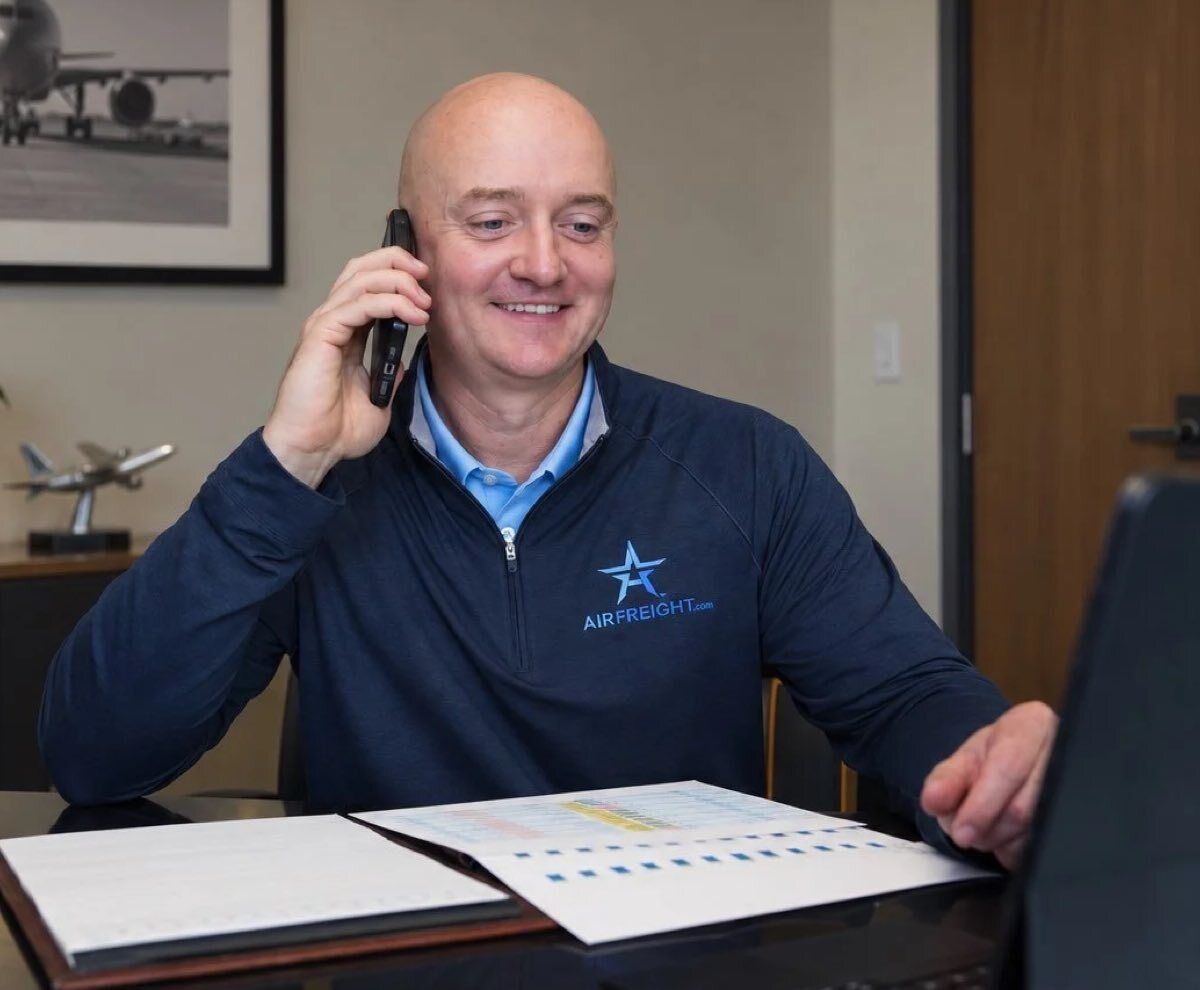
Expeditor Andy

“I had a single point of contact assigned to our shipment that was fantastic on keeping me updated every step of the way.”

Pamela · Trustpilot
HowWe Work

One Person, Start to Finish

When you call HotShotTrucking.com, a real person answers and stays with your load from the first call to the signed delivery. The broker contact who quotes it books it and handles any change. If the delivery time moves or the site contact changes, you call the person who already knows your shipment.

  • One contact for the whole move
  • Pickup and delivery windows confirmed
  • Changes handled by the same person
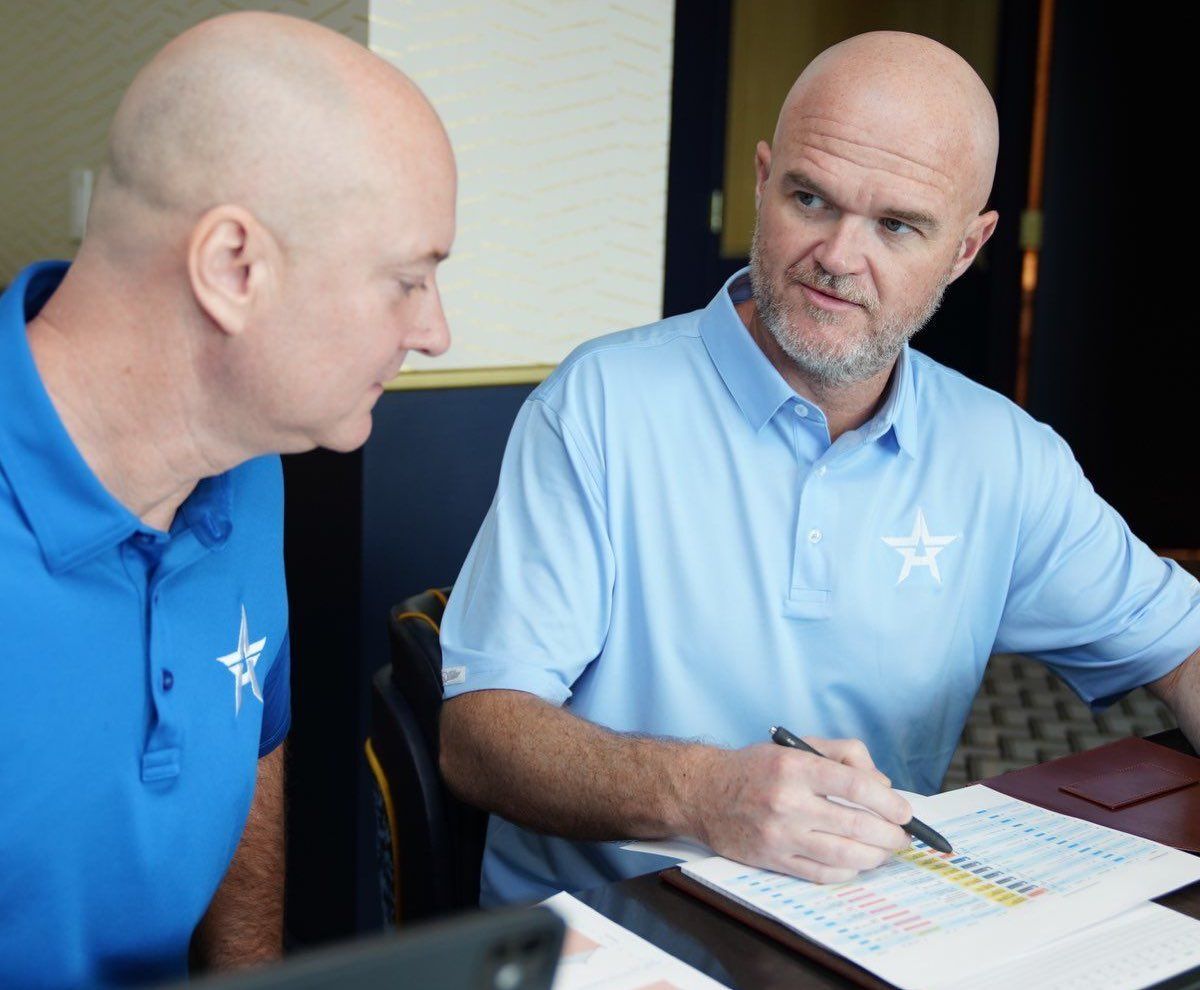
Expeditors Steve and Todd

“I called up at 7:30 pm... one that was secured cancelled at the end of the day. Todd quoted three shipments on the spot... The last shipment was picked up at Midnight.”

Susan · Trustpilot
WhatWe Provide

The Right Mode, Every Time

A good trucking broker books the truck your freight needs. We start with your dimensions, weight and both addresses. That tells us whether the load needs a Sprinter van, a box truck, a hot shot, a flatbed or a 53 ft dry van. If a site has no dock, we add a liftgate.

  • Truck sized to your freight
  • Licensed carriers for every truck type
  • Liftgate added when there is no dock
Expeditor Steve

“True to word. They did exactly what they said they would do.”

Dan · Trustpilot
WhoWe Are

Honest With You, Always

A broker is only useful if you can trust what it tells you. The rate and load details are confirmed in writing before the truck moves, and the arrival time is given as it actually stands. If the carrier runs late, you hear it from us first, with a plan.

  • Details confirmed in writing
  • Carrier delays reported first
  • Proof of delivery on every load

Trucking Broker Questions Answered

What does a trucking broker do?

A trucking broker arranges the transportation of freight for shippers by booking a licensed carrier for each load. It does not own trucks or take custody of the freight. The broker finds a carrier with the right equipment, agrees the rate, confirms the details in a rate confirmation and manages the shipment to delivery. That includes confirming pickup, tracking the truck, handling delays and collecting proof of delivery. Trucking brokers hold federal broker authority from FMCSA and must keep a surety bond or trust on file to stay active.

How do trucking brokers charge?

Most trucking brokers quote the shipper one all-in rate for the load and pay the carrier a separate rate to haul it. The difference is the broker's margin, which covers finding the truck, checking the carrier, managing the move and handling problems. Some brokers work on contract rates for regular lanes and spot quotes for one-off loads. The market sets most of the cost, through distance, truck type, timing and the number of trucks available. Shippers should get the agreed rate and load details in writing before the truck is dispatched.

Is it worth using a trucking broker?

It often is when finding the truck is the hard part. Brokers help with urgent loads, new lanes, unusual equipment such as hot shots or liftgate trucks, and overflow when your usual carriers are full. They also give you one contact for many kinds of loads. Going direct to a carrier can make sense for steady freight on a regular lane with a carrier you trust. Many shippers use both, keeping a broker for the freight that does not fit the routine. The right answer depends on how varied and urgent your loads are.

How do I choose a good trucking broker?

Start with the public records. A good broker holds active broker authority, keeps a surety bond or trust on file and can tell you which carrier will haul your load. Beyond that, look for a broker that books the kind of trucks your freight needs, responds quickly and puts the rate and details in writing. Ask how it handles delays, breakdowns and claims, and who your contact will be. Reviews from other shippers help. A broker that stays reachable through delivery is usually worth more than a slightly lower quote.

What is double brokering?

Double brokering happens when a carrier or broker accepts a load and then hands it to another carrier without the shipper's knowledge or consent. Sometimes it is done by a legitimate company cutting corners, and sometimes by criminals using a stolen identity. Either way, the shipper loses track of who has the freight, and insurance or payment problems can follow. Warning signs include a different carrier name or truck at pickup, contact details that change and pressure to change instructions. Confirming the carrier and checking the truck at pickup helps prevent it.

How do I verify a trucking broker?

Ask for the broker's MC number and look it up in FMCSA's public records. Confirm that the company holds active broker authority, not only carrier authority, and that a surety bond or trust is on file. Check that the legal name, address and phone number match the company you are speaking with, since fraudsters sometimes copy a real broker's identity. Read the broker-shipper agreement and each rate confirmation. Ask which carrier will haul the load, then check that carrier's authority and insurance as well. A few minutes of checking protects the freight.

What is a BMC-84 bond?

A BMC-84 is the surety bond form a freight broker files with FMCSA to meet the federal financial security requirement for broker authority. It is issued by a surety company and gives carriers and shippers a way to recover money if the broker fails to pay or meet its obligations. The alternative is a BMC-85, which is a trust fund held by a financial institution. A broker cannot keep active authority without one of the two. Shippers can see whether a broker's bond or trust is in place by checking its FMCSA record.

Will AI replace trucking brokers?

Technology is changing brokerage, but it is unlikely to replace brokers outright. Software already helps match loads with trucks, quote lanes, check carriers and track shipments, and many routine bookings are partly automated. The harder parts still need people. Finding a truck at short notice, solving problems at a dock, handling a breakdown and keeping a shipper informed all take judgment. For shippers, better tools mean faster quotes and better tracking. The value of a broker who answers the phone and owns the problem is unlikely to disappear.

What are the four main types of freight transportation?

The four main types are road, rail, air and water. Road freight moves by truck and carries most domestic freight in the United States, from cargo vans to full truckloads. Rail moves heavy freight over long distances, often in containers that trucks deliver at each end, which is called intermodal. Air freight is the fastest option for urgent, high-value shipments. Water freight moves goods by ship, mostly for international trade. Trucking brokers work mainly with road freight, though some arrange other modes for their customers.

How do people become freight broker agents?

This page is written for shippers, but some readers are carriers or people looking to work in brokerage. A freight broker agent works under a licensed broker's authority, finding shippers and booking loads, usually in return for a share of the margin. Agents do not need their own broker authority, because they work under the broker's. Carriers looking for loads usually set up with brokers by sending their authority, insurance certificates and payment details. For shippers, the rest of this page covers how brokers work and how to book a truck.

Get a quote

Book a truck for your next load

Enter your pickup, delivery and date. A dispatcher will book the right truck and stay with your freight until it is delivered.

5.0 from 1,600+ reviews on

Request a Quote

Step 1 of 3Origin and Destination Info

Fantastic! I called and spoke to an extremely helpful gentlemen by the name of Kevin at 7:00 p.m. I couldn't ask for a better experience. Quick, Courteous, and had a driver sitting in PA at 9:30 the next morning.

Devin · Verified review on Trustpilot
CTA Hero Star Background
TOP