DENVER FREIGHT
Where Denver Freight Moves: Interstates, the Airport and the Mountains
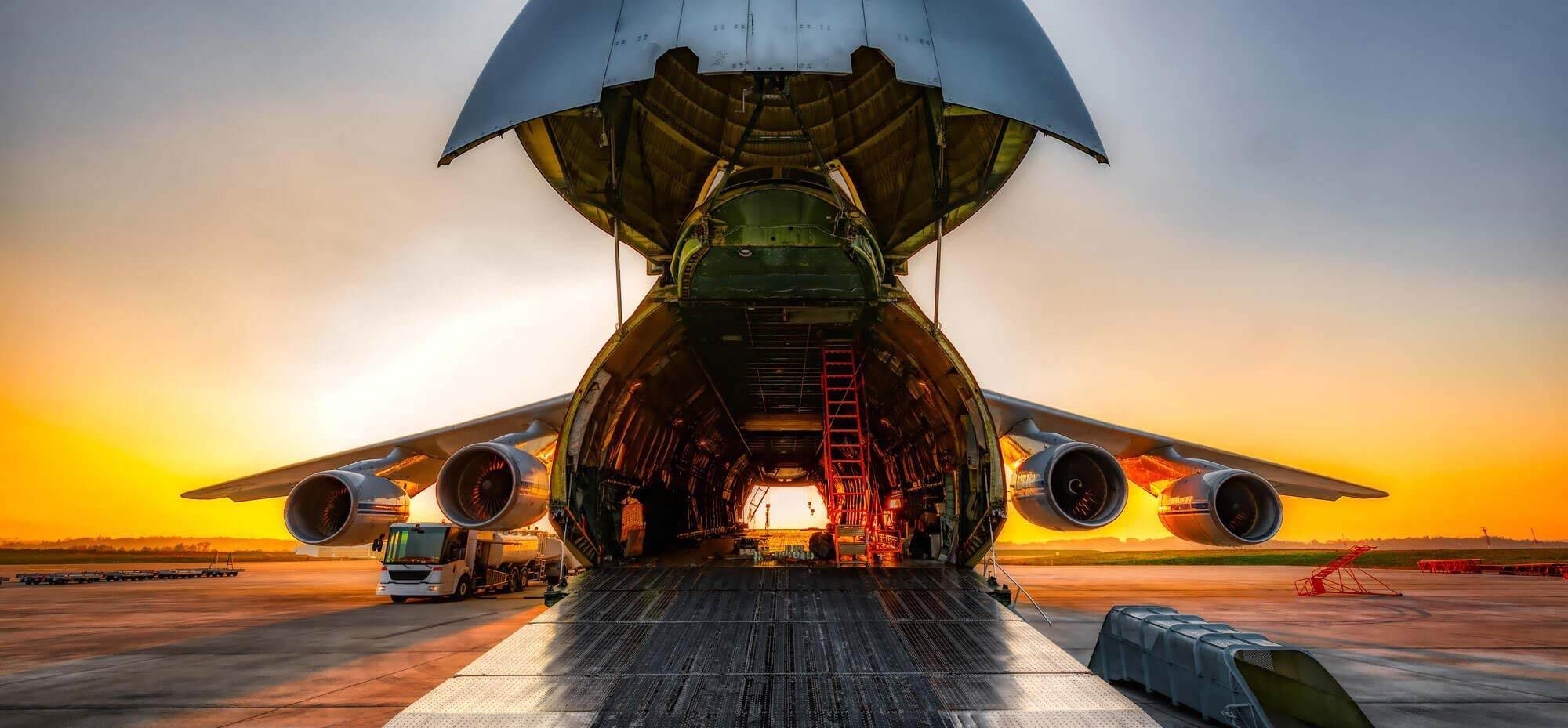
The Denver–Aurora–Centennial metro had about 3.09 million residents in 2025, and much of its freight starts on the flat, open ground east and north of downtown. Denver International Airport covers more land than any other airport in North America. FedEx, UPS and DHL fly freighters off its cargo ramp, which handled about 732.6 million pounds in 2025. Between the city and DEN sit the warehouse parks of Aurora, and Commerce City, north of downtown, has the Suncor refinery, plants and food distributors.
Inside the metro, I-25 and I-70 cross just north of downtown at the Mousetrap, which ATRI ranked 21st among U.S. truck bottlenecks in 2026. I-76 heads northeast toward Weld County, I-225 and I-270 tie the east side together, and E-470 and C-470 swing around the edges. To the south, Lockheed Martin's Waterton campus near C-470 and Boom's factory in Centennial add aerospace loads, while US 36 links Interlocken and Rocky Mountain Metropolitan Airport with Boulder.
Past the metro, every other big city is a long drive. Albuquerque is about 450 miles south and Salt Lake City about 520 miles west, both reachable the same day with an early start, while Kansas City, about 600 miles east, usually means a late-night or next-morning delivery. Colorado Springs, Fort Collins and Cheyenne are short runs along the Front Range, where a Denver plant that runs short usually finds its replacement.
To the west, I-70 climbs into the mountains, and that is the part of a Denver run outsiders tend to underestimate. Winter storms can slow the grade for hours, and hazmat loads can't use the Eisenhower Tunnel and have to cross Loveland Pass, so a mountain load gets a weather check before it is booked.