OKLAHOMA CITY FREIGHT
Oklahoma City's Freight Map: Interstates, the Oil Patch and Tinker
The metro stretches from Edmond and Guthrie in the north to Moore and Norman in the south, and it added about 13,700 people between July 2024 and July 2025. Three interstates cross near downtown Oklahoma City. I-35 runs north to Wichita and south to Dallas, I-40 runs east toward Fort Smith and west to Amarillo, and I-44 angles northeast to Tulsa on the Turner Turnpike and southwest to Lawton on the H.E. Bailey. A rush load picked up almost anywhere in the metro is on one of those roads within minutes, headed for a county road, a plant gate or a hangar.
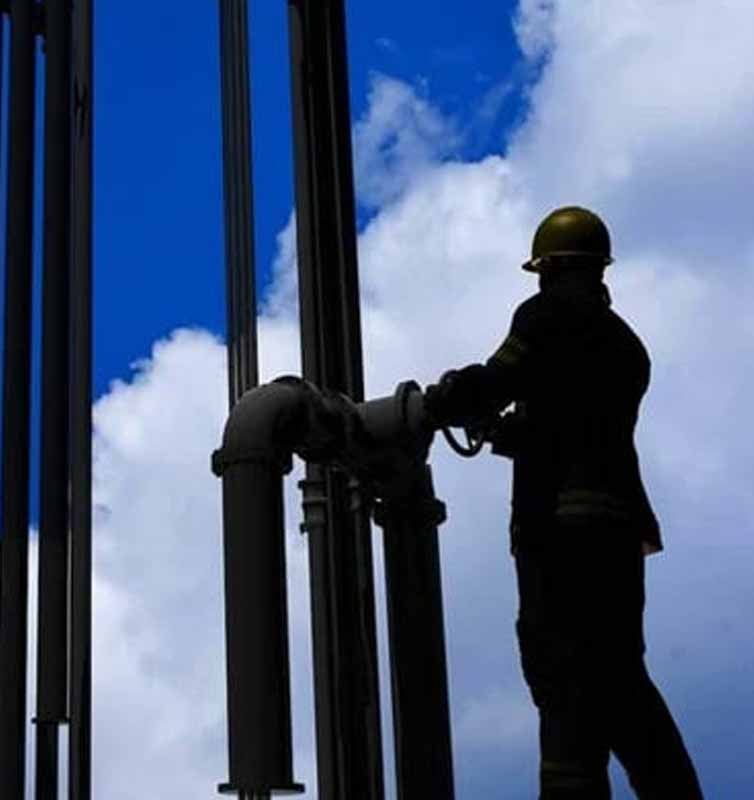
Oilfield freight starts in the supply and service yards around the metro, where pipe, valves, pumps, wellhead parts and instruments wait for a call from the field. That call usually means a drilling or completion crew is standing by for one item. The last miles to a well site are often a lease road: gravel or red dirt, sometimes behind a locked gate, and slick after rain. Many locations have no street address, so the driver needs the lease name, the gate contact and turn-by-turn directions from the last county road. A gooseneck hot shot handles that ground better than a full tractor-trailer.
The other clock runs at Tinker. The Oklahoma City Air Logistics Complex there is the Air Force's only depot-level repair site for Air Force and Navy aircraft engines, and it also works on aircraft such as the KC-135, B-1B, B-52 and E-3. Suppliers and repair shops around the base ship parts, tooling and test equipment to the depot and back. Every delivery goes through a gate check, so the driver's details, the receiving contact and the building have to be set up before the truck leaves. Crated parts usually ride in an enclosed van or straight truck. Pratt & Whitney, AAR and the FAA's Monroney Aeronautical Center add more aerospace work around the city, and data center projects are lining up along I-40.
Put those together and much of the city's urgent freight falls outside any scheduled route. A seal kit for an engine on a depot line, a wellhead valve for a crew in the field and switchgear for a data center site each need a truck dispatched for one load, often the same day. The truck could be a Sprinter van or a full flatbed. What stays the same is a single expeditor from the first call to the signature.