TULSA FREIGHT
Where Tulsa Freight Loads and the Roads That Carry It
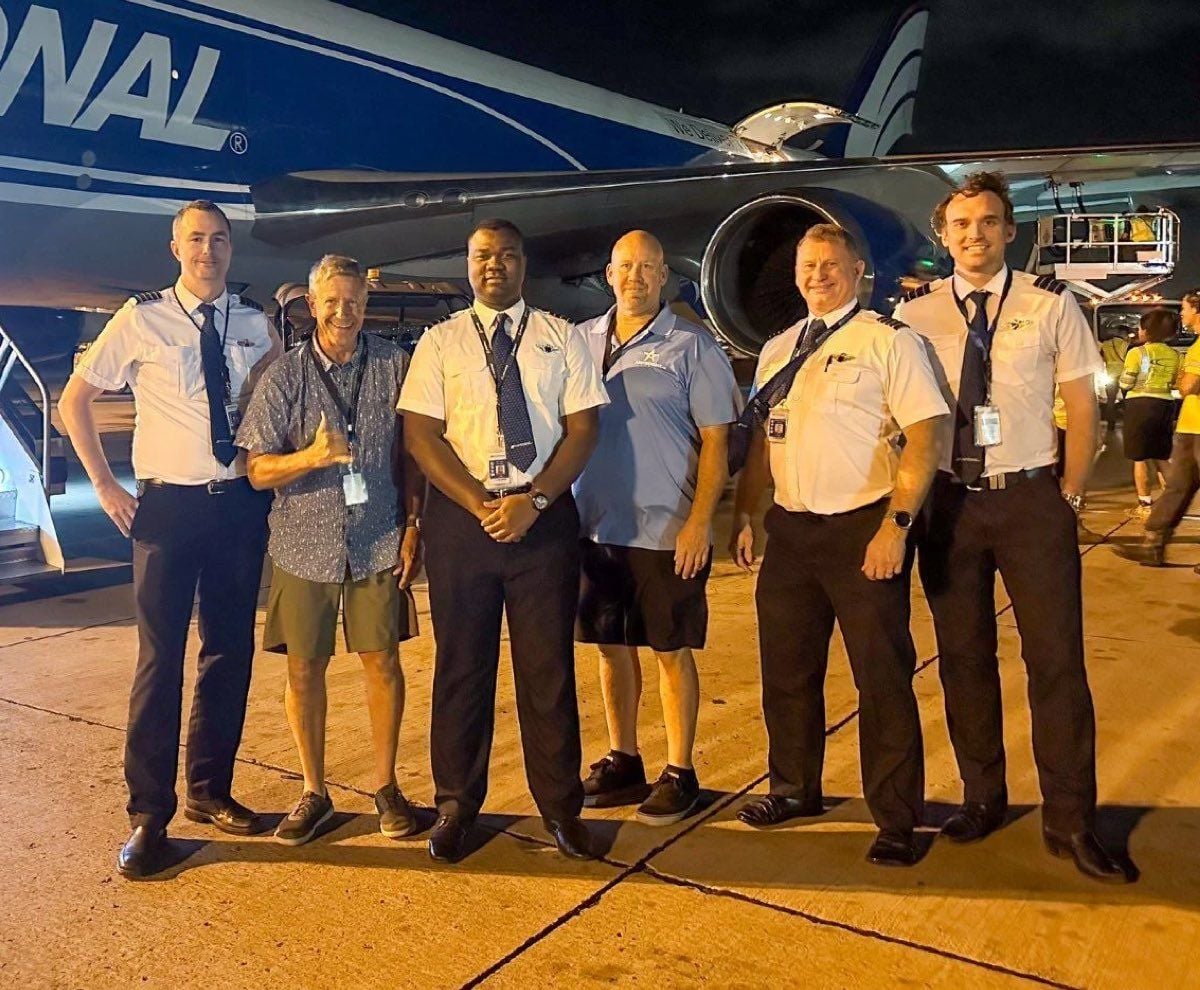
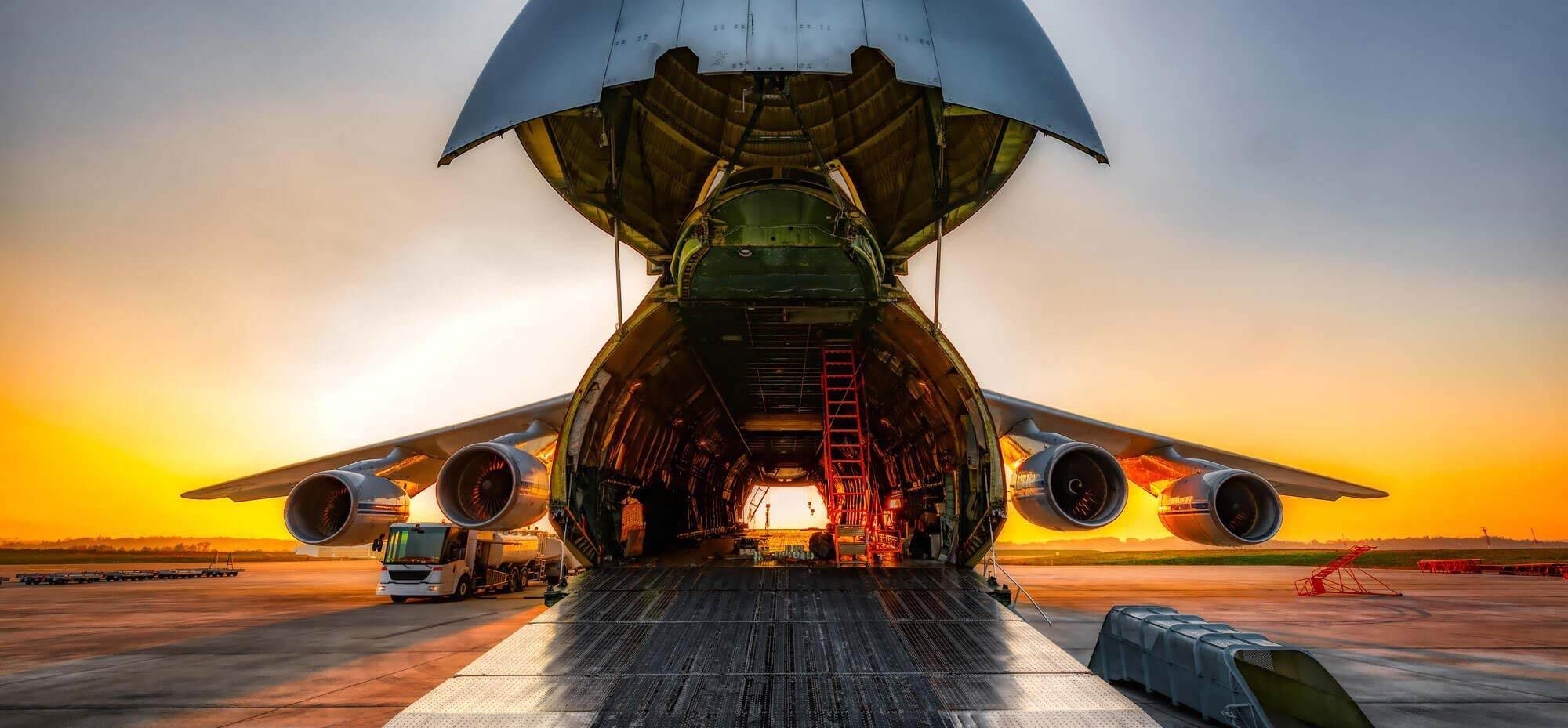
Tulsa, Oklahoma's second-largest city, has about 1.07 million people in its metro area, which grew by roughly 8,200 people over the year to July 2025. Its pickups cluster in a few places. Tulsa International Airport, northeast of downtown, covers 4,360 acres and handles cargo for FedEx, UPS, DHL and Ameriflight on the same field as the American Airlines base. North of the airport sit Cherokee Industrial Park's steel suppliers and the Owasso warehouses. In west Tulsa, refineries, pipe yards and BNSF's Cherokee Yard line the Arkansas River.
Barges and trains carry their share. At Catoosa, the Tulsa Port marks the upper end of the McClellan-Kerr Arkansas River Navigation System, while the Port of Inola and MidAmerica Industrial Park in Pryor offer thousands of acres of industrial land east of the city. Data center campuses near Owasso and Pryor and a string of plant expansions keep adding trucks to local roads.
I-44 crosses Tulsa on its way from the Turner Turnpike, which heads to Oklahoma City, to the Will Rogers Turnpike toward Joplin. I-244, US-75, US-169 and the Broken Arrow Expressway branch off it across the metro, tying the refineries of west Tulsa to the airport, the barge docks at Catoosa and Inola, and the plants in Broken Arrow and Owasso. Construction at the I-44 and US-75 interchange runs through summer 2028 and is the likeliest spot to slow a crosstown pickup.
From those roads, a truck booked for a single load skips every terminal and can be in Oklahoma City, Wichita or northwest Arkansas the same day. Dallas and Kansas City are each roughly four hours out, so a load on the road in the early afternoon can still reach either one that day.