

Box Truck Freight
Mid-size loads get stranded when cargo vans run out of room and a full 53-foot dry van is overkill. Box truck freight fills that gap with right-sized capacity, direct-drive routing, and same-day dispatch for shipments that cannot wait on a terminal transfer. HotShotTrucking.com matches your cargo to the correct enclosed truck and keeps it moving to its destination without co-loading or unnecessary stops.





Straight Truck Service Modes and Equipment
Box Truck Freight Moves Your Cargo Right-Sized
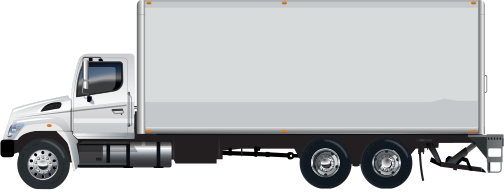
Box truck freight refers to enclosed cargo transport using dedicated straight trucks, a vehicle class where the cargo body and cab sit on a single chassis frame. These are not semi-trailers. Your shipment rides in a sealed box mounted directly to the truck, handled by one driver, dispatched as a dedicated load.
The enclosed truck class covers a wide range of sizes, from light-duty moving trucks used for final-mile delivery to large straight trucks like the 26-foot model capable of handling several thousand pounds of freight. That range makes box truck shipping the practical middle ground between cargo vans and full dry vans for shippers who need more than a sprinter can carry but less than a full truckload justifies.
When booked as expedited freight, these shipments move on a direct-drive basis with no terminal handling and no co-loading. Your cargo stays on one vehicle from pickup to delivery.

Box Trucks
Medium-duty enclosed trucks handle the freight volume that outgrows cargo vans but does not require a full dry van. Typically running on a diesel fuel-powered engine and outfitted with load bars, e-track systems, and optional liftgate access, these vehicles are matched to your shipment based on weight limits and delivery access requirements. Manufacturer specifications vary across the class, so the right unit is confirmed before dispatch.

Large Straight Trucks
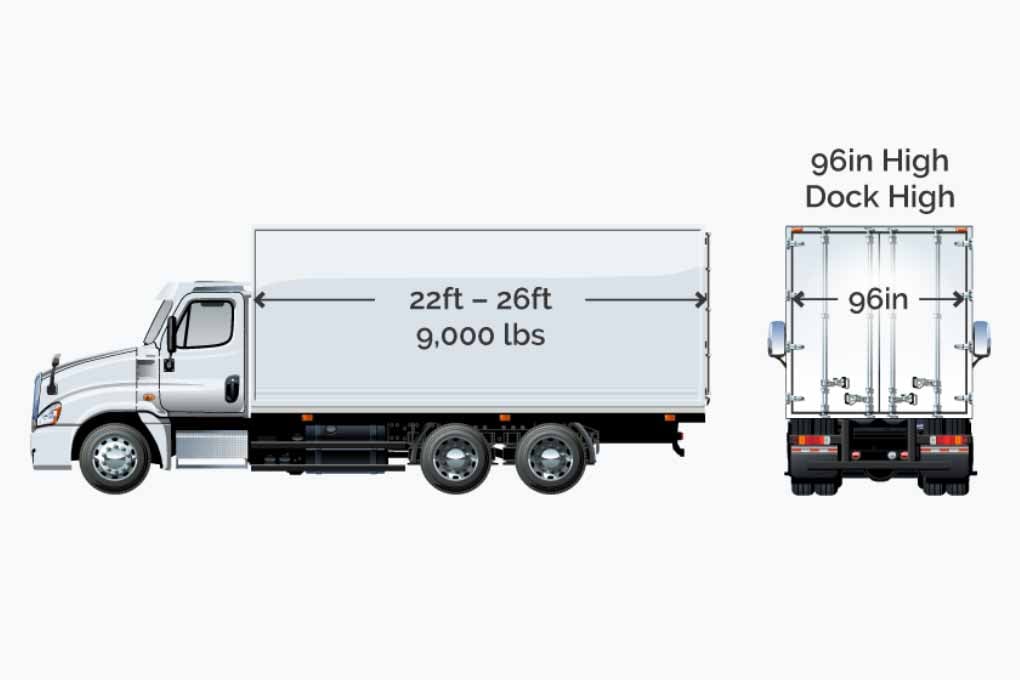
The 26-foot enclosed truck represents the top end of the box truck class, offering substantial weight capacity for multi-pallet loads, oversized cargo, and high-volume same-day freight. Dispatched as a dedicated vehicle, it moves direct with no transfers, no shared space, and no delays tied to other shippers' schedules. Box truck freight rates for this tier reflect dedicated, non-stop service.

Expedited Freight Shipping
Not every delivery point has a loading dock. Liftgate access allows freight to be raised and lowered from truck bed to ground level without dock infrastructure, making box truck freight services viable for street-level businesses, construction sites, and facilities without standard dock height. The correct access configuration is confirmed before the vehicle rolls.
WHAT WE DO
See Box Truck Freight in Action
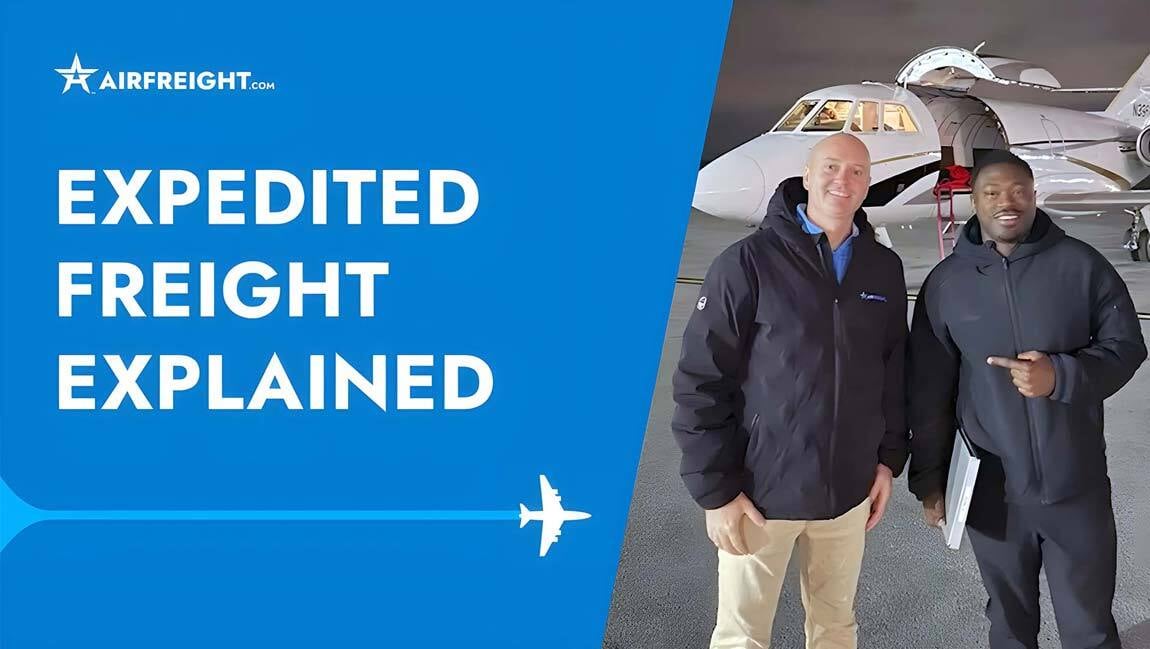
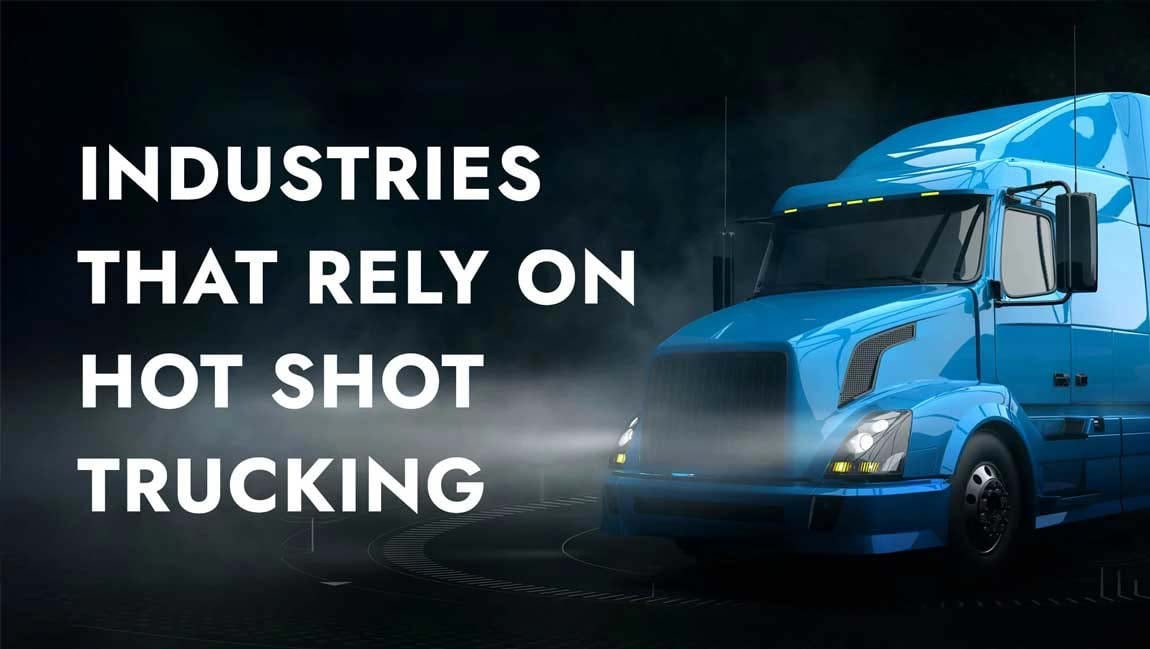
Box truck freight moves mid-volume cargo with the speed and exclusivity of a dedicated vehicle, without the overhead of a full dry van. The videos below break down how expedited ground freight works across different load sizes and industries, covering additional features like liftgate access and real-time tracking that matter most to B2B shippers.

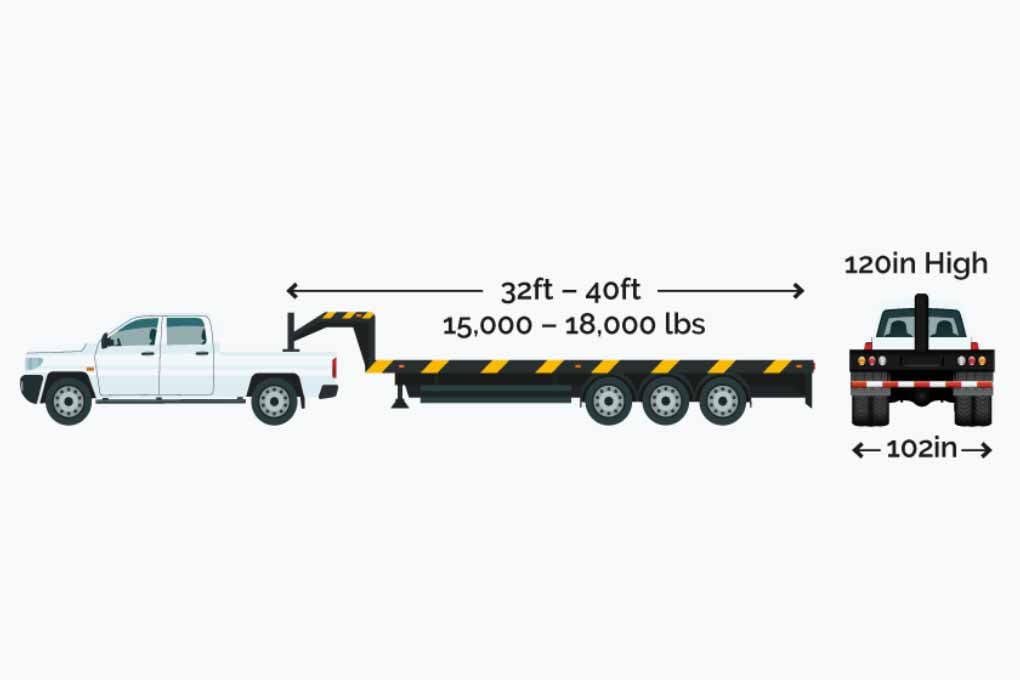
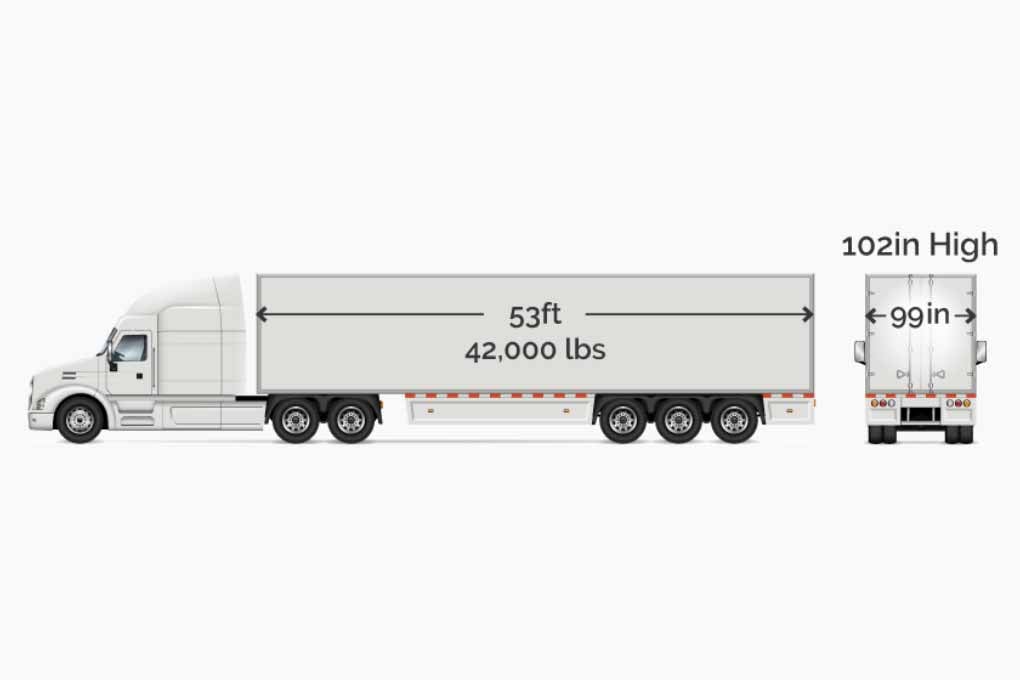
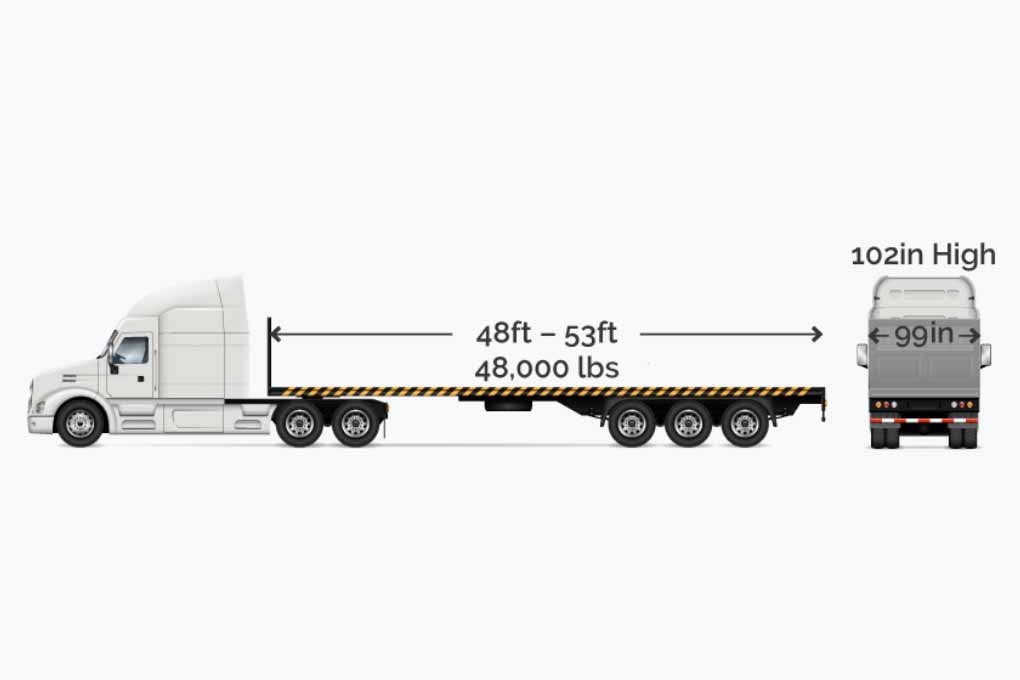
Compare Box Truck Freight Options by Load Size
KEY BENEFITS
NATIONWIDE NETWORK
Box truck shipping coverage spans the full continental US, with enclosed trucks available in major metros and regional corridors. Whether your shipment originates in a dense urban center or a secondary market, carriers can reach facilities that standard semi-trucks cannot, including addresses without dock access. Box truck freight services move on dedicated, direct-drive lanes so your cargo reaches its destination without terminal stops or relay transfers.
EXPLORE OUR COVERAGE


Box Truck Freight Built for These Shipments
- Tight Timeline Freight
- No-Dock Final Mile
- Cargo Van Overflow
- Same-Day Straight Truck
- Manufacturing Freight Runs
- B2B Delivery Truck Service
- Multi-Pallet Straight Truck
Tight Timeline Freight
When a shipment has a hard delivery window, expedited freight on an enclosed truck is often the fastest ground option available. Box truck shipping booked as a dedicated load moves direct with no co-loading and no terminal transfers. Your cargo departs on your schedule, not a carrier's consolidated run. For time-sensitive freight where a missed window means a line-down or a failed delivery commitment, box truck freight services provide the speed and control your operation requires.

No-Dock Final Mile
Final-mile delivery without a loading dock is a common friction point in enclosed truck logistics. Liftgate access resolves it. A dedicated truck outfitted with a liftgate can lower freight from truck bed to ground level at any delivery point, including retail locations, job sites, and facilities that were never designed for standard dock unloading. Box truck freight carriers confirm access requirements before dispatch so the right vehicle arrives the first time.

Cargo Van Overflow
When a shipment outgrows cargo vans or cube vans but does not justify a full truckload, a light-duty enclosed truck or medium-duty vehicle fills the gap cleanly. Oversized van overflow loads are a common trigger for box truck freight bookings. Rather than splitting the shipment across multiple smaller vehicles or waiting for a consolidated run, one dedicated truck handles the full load as a direct-drive move.

Same-Day Straight Truck
Same-day dispatch requires a carrier network with available vehicles and a dispatch team that can execute quickly. Box truck freight booked for same-day delivery moves on a dedicated basis, meaning your shipment is not waiting on other freight to fill the truck. The vehicle is matched to your load, confirmed for access requirements including liftgate or dock height, and rolling within hours of booking.

Manufacturing Freight Runs
Light industrial and manufacturing operations generate a consistent need for box truck freight services: parts replenishment, finished goods outbound, and line-down recovery shipments that cannot wait on standard transit. Medium-duty enclosed trucks handle these runs efficiently, with weight capacity suited to pallet-level industrial freight. Dispatched as dedicated loads, these moves keep production schedules intact without the cost of a larger vehicle.

B2B Delivery Truck Service
Time-critical B2B delivery covers the freight that moves between businesses on a deadline: replacement parts, urgent inventory replenishment, and materials that must arrive before a facility opens or a shift begins. Box truck shipping is well-suited to these scenarios because enclosed trucks can access urban addresses, tight loading areas, and facilities without full dock infrastructure. Delivery is direct, tracked, and confirmed.

Multi-Pallet Straight Truck
A large straight truck handles multi-pallet loads that exceed what smaller enclosed trucks or sprinter vans can carry. Box truck freight hauling at this scale is common for trade show shipments, equipment moves, and high-volume same-day freight that needs to arrive intact and on time. The vehicle moves as a dedicated unit, so your full load travels together with no partial drops or shared space.
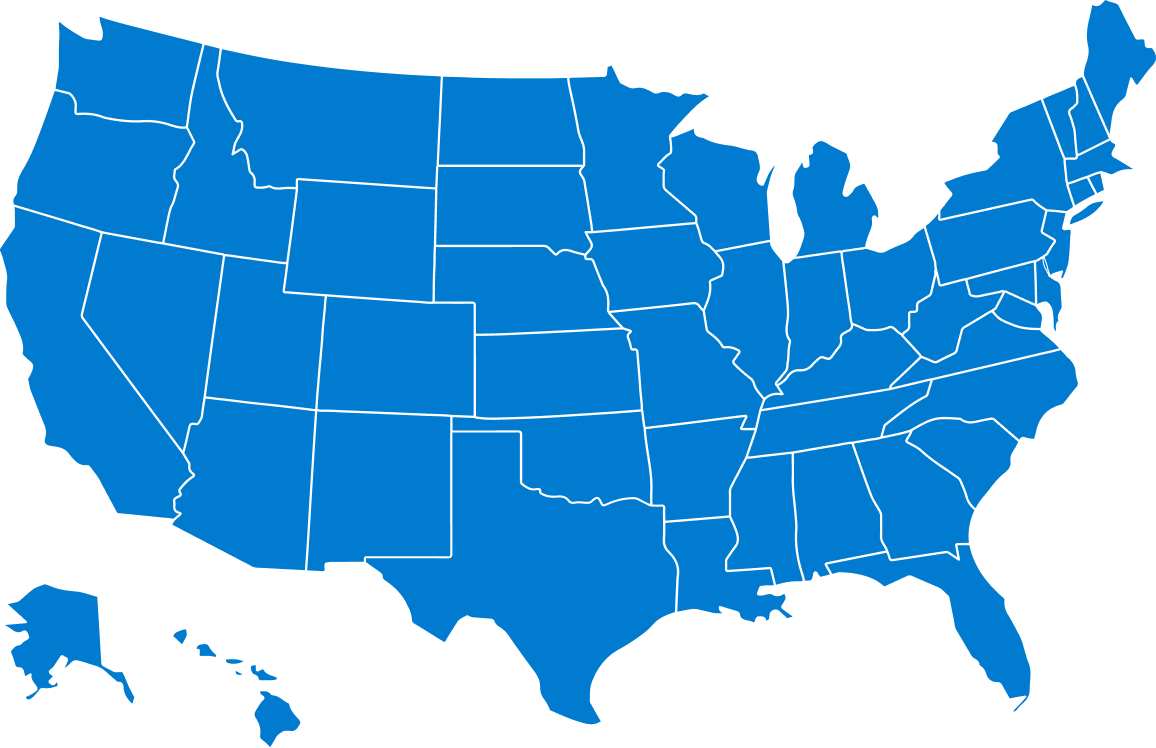
Wherever You Need Us, You'll Find Us
We're proud to serve customers across the United States with custom shipping solutions designed to meet urgent needs. Browse by state to view services in your area.
AREAS WE SERVICE
Alabama
(205) 453-1955
 Alabama
Centered around Birmingham, Huntsville, and Mobile, Alabama is known for aerospace, automotive, and advanced manufacturing. Its competitive business climate and skilled workforce support efficient operations and long-term investment.
Hot Shot Trucking AlabamaAlaska
(907) 331-6911
 Alaska
Alaska’s location supports time-sensitive shipments for oil, fishing, and remote resource development. We offer custom shipping and delivery access through Anchorage, Fairbanks, and coastal hubs.
Hot Shot Trucking AlaskaArizona
(623) 252-0101
 Arizona
Phoenix, Tucson, and Mesa anchor Arizona’s expanding economy, with strengths in technology, aerospace, and clean energy. A business-friendly environment and consistent population growth attract a range of enterprises.
Hot Shot Trucking ArizonaArkansas
(314) 269-1222
 Arkansas
Little Rock and Fayetteville support Arkansas’s economy, known for its concentration in retail, agriculture, and transportation. The state’s central location and affordable business costs appeal to companies serving national markets.
Hot Shot Trucking ArkansasCalifornia
(323) 648-3500
 California
Explore time-critical shipping coverage across Los Angeles, San Francisco, San Diego, and the Central Valley. California leads the nation in technology, entertainment, agriculture, and global trade connections.
Hot Shot Trucking CaliforniaColorado
(720) 262-8998
 Colorado
Denver, Boulder, and Colorado Springs contribute to Colorado’s strengths in aerospace, software development, and outdoor recreation. A well-educated population and strong quality of life continue to draw new businesses.
Hot Shot Trucking ColoradoConnecticut
(203) 936-6655
 Connecticut
Explore reliable delivery services for finance, insurance, and biotech sectors in Hartford, Stamford, and New Haven. Connecticut’s position between New York and Boston provides direct access to Northeast economic hubs.
Hot Shot Trucking ConnecticutDelaware
(302) 504-6044
 Delaware
Wilmington leads Delaware’s activity in finance, pharmaceuticals, and corporate services. Its streamlined incorporation process and favorable legal framework attract many national and international businesses.
Hot Shot Trucking DelawareDistrict of Columbia
(202) 644-8833
 District of Columbia
Located in the heart of the nation's capital, our Washington, D.C. hub specializes in urgent and highly sensitive shipments. We provide rapid delivery for government contractors and professional services firms, ensuring your cargo arrives securely and on time in this critical market.
Hot Shot Trucking DCFlorida
(786) 231-6700
 Florida
Florida’s major metros, Miami, Orlando, and Tampa, support thriving sectors like tourism, aerospace, and international trade. The state’s coastal access and tax-friendly policies are major draws for businesses of all sizes.
Hot Shot Trucking FloridaGeorgia
(678) 288-5005
 Georgia
With Atlanta, Savannah, and Augusta as key centers, Georgia is recognized for its contributions to film, manufacturing, and transportation. A well-connected infrastructure and growing tech scene make it a strong option for expansion.
Hot Shot Trucking GeorgiaHawaii
(808) 845-4577
 Hawaii
Honolulu anchors Hawaii’s economy, which includes tourism, defense, and sustainable agriculture. Its location in the Pacific enables unique access to Asian markets and renewable energy development.
Hot Shot Trucking HawaiiIdaho
(208) 577-6233
 Idaho
Idaho
Boise, Twin Falls, and Idaho Falls are central to Idaho’s growing sectors in agriculture, food processing, and tech. A low cost of living and supportive business policies encourage entrepreneurship and relocation.
Hot Shot Trucking IdahoIllinois
(773) 966-2800
 Illinois
Statewide shipping access, from Chicago to Springfield, supports manufacturing, agriculture, and related operations. Illinois offers a large talent base and strong connections to both national and global markets.
Hot Shot Trucking IllinoisIndiana
(317) 800-7222
 Indiana
Indianapolis, Fort Wayne, and Evansville contribute to Indiana’s manufacturing, life sciences, and agriculture industries. A central U.S. location and stable regulatory environment support long-term business growth.
Hot Shot Trucking IndianaIowa
(515) 954-7522
 Iowa
Iowa
Explore reliable shipping and delivery services in Des Moines, Cedar Rapids, and Davenport for agricultural products, insurance documents, and machinery. Iowa combines rural productivity with strong financial and tech sectors.
Hot Shot Trucking IowaKansas
(316) 633-7000
 Kansas
Kansas City, Wichita, and Topeka anchor Kansas’s industries in aviation, bioscience, and renewable energy. Low operational costs and a central geographic position benefit businesses with national reach.
Hot Shot Trucking KansasKentucky
(502) 230-4444
 Kentucky
Learn about custom delivery support for bourbon, healthcare products, and auto parts in Louisville, Lexington, and Bowling Green. Kentucky’s distribution networks and manufacturing legacy make it ideal for time-sensitive shipping.
Hot Shot Trucking KentuckyLouisiana
(504) 613-6666
 Louisiana
New Orleans, Baton Rouge, and Shreveport shape Louisiana’s focus on energy, shipping, and chemical production. Its access to the Gulf of Mexico and established port infrastructure offer critical trade advantages.
Hot Shot Trucking LouisianaMaine
(978) 662 - 2214
 Maine
Maine
Serving Portland, Bangor, and Augusta, we offer delivery options for marine products, healthcare, and specialty goods. Maine offers natural access to Canadian and Atlantic markets along with a strong quality-of-life appeal.
Hot Shot Trucking MaineMaryland
(800) 604-2511
 Maryland
Baltimore, Bethesda, and Frederick contribute to Maryland’s strengths in cybersecurity, biotech, and defense. Its proximity to federal agencies and top research institutions supports innovation and investment.
Hot Shot Trucking MarylandMassachusetts
(617) 934-7800
 Massachusetts
Supporting urgent deliveries in Boston, Cambridge, and Worcester, we ship pharmaceuticals, higher education, and R&D-driven goods. Massachusetts offers access to top-tier universities and leading-edge innovation hubs.
Hot Shot Trucking MassachusettsMichigan
(313) 887-0577
 Michigan
Detroit, Grand Rapids, and Ann Arbor form the backbone of Michigan’s automotive, mobility, and manufacturing sectors. A deep talent pool and commitment to innovation attract investment in advanced industries.
Hot Shot Trucking MichiganMinnesota
(763) 273-5444
 Minnesota
Explore custom delivery services for medical devices, retail, and food manufacturing across Minneapolis, St. Paul, and Rochester. Minnesota combines innovation with a strong corporate presence and a skilled labor force.
Hot Shot Trucking MinnesotaMississippi
(769) 553-4413
 Mississippi
Jackson, Gulfport, and Hattiesburg support industries like shipbuilding, agriculture, and manufacturing. Mississippi offers affordable business conditions and strategic access to southern U.S. markets.
Hot Shot Trucking MississippiMissouri
(314) 269-1222
 Missouri
Learn about shipping support across St. Louis, Kansas City, and Springfield for food processing, healthcare products, and life sciences. Missouri’s location and infrastructure support regional delivery and national service coverage.
Hot Shot Trucking MissouriMontana
(800) 604-2511
 Montana
Billings, Missoula, and Bozeman are central to Montana’s economy, which includes energy, agriculture, and tourism. The state offers wide open space, natural resources, and room for innovative rural development.
Hot Shot Trucking MontanaNebraska
(402) 909-0200
 Nebraska
Omaha, Lincoln, and Grand Island support Nebraska’s activity in finance, agriculture, and manufacturing. Its central location and skilled labor force provide dependable conditions for growth.
Hot Shot Trucking NebraskaNevada
(702) 583-6200
 Nevada
Las Vegas, Reno, and Henderson shape Nevada’s economy in hospitality, mining, and clean energy. The state’s tax structure and rapid population growth contribute to ongoing economic momentum.
Hot Shot Trucking NevadaNew Hampshire
(603) 782-0333
 New Hampshire
Manchester, Nashua, and Concord are economic hubs in New Hampshire, supporting healthcare, manufacturing, and tech. The state combines access to Boston markets with a lower tax burden.
Hot Shot Trucking New HampshireNew Jersey
(862) 236-3116
 New Jersey
Newark, Jersey City, and Princeton support New Jersey’s diverse economy in pharmaceuticals, finance, and logistics. Its proximity to major East Coast metros and deep talent base attract both startups and global firms.
Hot Shot Trucking New JerseyNew Mexico
(505) 886-0622
 New Mexico
New Mexico’s key cities, including Albuquerque, Santa Fe, and Las Cruces, help drive energy, aerospace, and scientific research. The state’s open land and national labs support innovation in advanced industries.
Hot Shot Trucking New MexicoNew York
(347) 514-9999
 New York
New York City, Buffalo, and Albany shape a broad economy in finance, media, and health sciences. With access to global markets and deep institutional resources, New York is a leader in commerce and innovation.
Hot Shot Trucking New YorkNorth Carolina
(919) 800-0339
 North Carolina
Charlotte, Raleigh, and Durham contribute to North Carolina’s leadership in banking, biotech, and manufacturing. A growing talent pool and strong research universities attract long-term investment.
Hot Shot Trucking North CarolinaNorth Dakota
(701) 212-1922
 North Dakota
North Dakota’s energy, agriculture, and technology sectors are supported by the state's metro areas, including Fargo, Bismarck, and Grand Forks. Low unemployment and stable growth create a welcoming climate for business development.
Hot Shot Trucking North DakotaOhio
(330) 648-0515
 Ohio
Ohio
Covering major cities like Columbus, Cleveland, and Cincinnati with tailored shipping solutions and reliable delivery networks. Ohio offers central access to the Midwest with leading industries in healthcare, manufacturing, and finance.
Hot Shot Trucking OhioOklahoma
(405) 445-7505
 Oklahoma
Providing custom shipping options throughout Portland, Eugene, and Salem, we deliver advanced tech and sustainable goods. Oregon's economy thrives on innovation in technology, clean energy, and advanced manufacturing.
Hot Shot Trucking Oklahoma
![]() Oregon
Oregon
With Portland at the forefront, Oregon has built a reputation for innovation in green energy, advanced manufacturing, and software. Its commitment to sustainability and quality of life draws both startups and global brands.
Hot Shot Trucking OregonPennsylvania
(215) 989-4444
 Pennsylvania
Supporting urgent deliveries and time-critical shipments includes cities such as Philadelphia, Pittsburgh, and Harrisburg. Pennsylvania connects East Coast markets with strengths in education, healthcare, and industrial manufacturing.
Hot Shot Trucking PennsylvaniaRhode Island
(800) 604-2511
 Rhode Island
Fast, flexible shipping supports marine products, healthcare, and design goods in Providence, Warwick, and Newport. Rhode Island’s coastal access and dense regional network support creative and technical industries.
Hot Shot Trucking Rhode IslandSouth Carolina
(803) 403-9055
 South Carolina
Custom shipping and delivery supports auto parts, aerospace components, and industrial goods in Charleston, Columbia, and Greenville. The state is known for its growing role in advanced manufacturing and exports.
Hot Shot Trucking South CarolinaSouth Dakota
(701) 212-1922
 South Dakota
Reliable delivery services operate in Sioux Falls, Rapid City, and beyond for agriculture, finance, and light manufacturing. South Dakota attracts business with no corporate income tax and a stable economic environment.
Tennessee
(615) 970-7100
 Tennessee
Time-critical shipping solutions serve Nashville, Memphis, and Knoxville for healthcare, automotive, and music-related goods. Tennessee offers access to key Southern markets with strong infrastructure and workforce programs.
Hot Shot Trucking TennesseeTexas
(972) 330-2000
 Texas
Texas
Custom shipping solutions for construction, manufacturing, oil & gas, and more support major cities, including Dallas and Austin. Enjoy Texas’ business-friendly climate, no state income tax, and prime location.
Hot Shot Trucking TexasUtah
(801) 784-1444
 Utah
Utah
Salt Lake City, Provo, and Ogden handle urgent shipments for the tech, finance, and recreation industries. Utah combines rapid economic growth with a skilled, youthful workforce and a strong startup culture.
Hot Shot Trucking UtahVermont
(800) 604-2511
 Vermont
Burlington and the surrounding areas support efficient delivery services for specialty foods, renewable energy systems, and small-scale manufacturing. Vermont promotes sustainability, community-based business, and green innovation.
Hot Shot Trucking VermontVirginia
(804) 886-3100
 Virginia
Richmond, Virginia Beach, and Arlington offer streamlined shipping and delivery access for defense, cybersecurity, and maritime goods. Virginia’s proximity to D.C. and educated workforce support both public and private sector growth.
Hot Shot Trucking VirginiaWashington
(206) 673-2900
 Washington
Seattle, Tacoma, and Spokane provide fast delivery and custom shipping for aerospace parts, tech products, and agricultural exports. Washington combines West Coast market access with a deep culture of innovation.
West Virginia
(804) 886-3100
 West Virginia
Charleston, Morgantown, and Huntington offer shipping options for energy, chemical, and forestry-related goods. West Virginia’s natural resources and infrastructure investments support long-term business activity.
Hot Shot Trucking West VirginiaWisconsin
(414) 973-8000
![]() Wisconsin
Wisconsin
Milwaukee, Madison, and Green Bay offer statewide shipping solutions for dairy, heavy equipment, and medical products. Wisconsin is known for its industrial strength and commitment to workforce development.
Hot Shot Trucking WisconsinWyoming
(800) 604-2511
 Wyoming
Cheyenne, Casper, and surrounding regions provide custom shipping support for energy and natural resource projects. Wyoming offers tax advantages and wide-open space for growing operations in mining, ranching, and energy.
Hot Shot Trucking Wyoming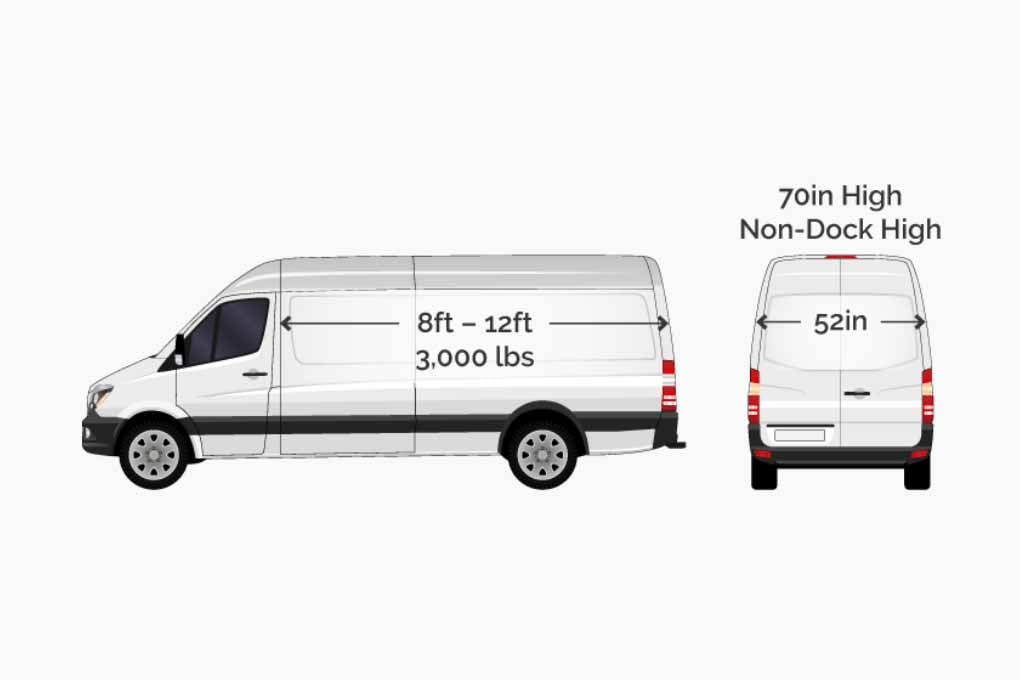
BOX TRUCK FREIGHT DEEP DIVE
Everything You Need to Know About Box Truck Freight Services
Box Truck Freight: Equipment and Capabilities
Box truck freight covers a wide range of enclosed, wheeled delivery solutions that fall between cargo vans and full semi-trailer rigs. A standard straight truck keeps the cab and cargo box on a single chassis, making it more maneuverable in urban environments than a tractor-trailer combination. Most box trucks are diesel-powered, with a diesel engine providing the torque needed for heavy urban loads and stop-and-go delivery routes.
Payload Capacity and Size Options
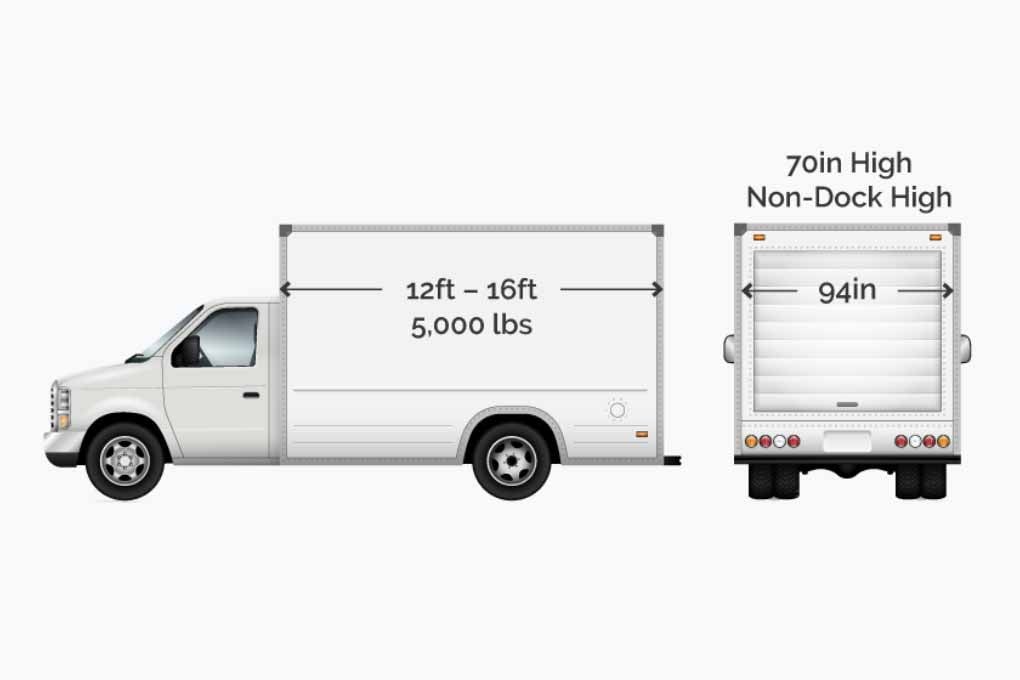
Payload capacity varies significantly across the fleet. A 12-foot box truck typically handles loads up to 3,000 to 5,000 pounds, while a 26 ft truck can carry upwards of 10,000 to 12,000 pounds of freight depending on the vehicle's GVWR rating. Light duty box trucks are well suited for smaller commercial deliveries, office relocations, and retail restocking, while a large straight truck handles heavier industrial freight that would otherwise require an LTL slot.
Straight trucks are available in configurations ranging from 12-foot to 26-foot cargo boxes, giving shippers flexibility to match the vehicle to the load. Cube vans occupy the smaller end of this spectrum and are commonly used for courier and last-mile delivery work. Understanding which size fits your freight helps avoid overpaying for unused capacity or, worse, booking a vehicle that cannot legally carry your load.
CDL Requirements and Licensing
Not every box truck requires a CDL to operate. Vehicles under 26,001 pounds GVWR generally do not require a commercial driver's license, which makes light duty box trucks accessible to a broader pool of drivers. However, a large straight truck exceeding that threshold does require a CDL, and shippers should confirm that their provider's drivers hold the appropriate license before booking expedited freight on those units.
Freightliner is one of the most recognized manufacturers in this segment, producing medium duty truck platforms that balance durability with fuel efficiency. When evaluating a delivery truck service, ask about the age of the fleet, maintenance schedules, and whether vehicles carry a manufacturer warranty or extended coverage. Equipment condition directly affects on-time performance and the safety of your cargo.

Expedited Shipping with Straight Trucks
Expedited freight shipping using straight trucks fills a critical gap between parcel carriers and full truckload services. When a shipment misses a scheduled carrier pickup or a production line is waiting on parts, a box truck dispatched within hours can recover the timeline without the overhead of chartering a larger vehicle. This responsiveness is one of the primary reasons manufacturers and distributors keep expedited shipping providers on standby.
Same Day Freight and Hot Shot Delivery
Same day freight moves are increasingly common in dense metro markets where a 26 ft truck can navigate city streets and reach a final destination within a tight delivery window. Hot shot delivery using straight trucks is particularly effective for loads too large for a sprinter van but too small to justify a full dry van. The ability to dedicate an entire truck to a single shipment eliminates the consolidation delays that slow down shared-load services.
Expedited shipping on a straight truck is priced based on mileage, load weight, and urgency tier. Shippers should determine in advance whether their freight requires a liftgate, dock height access, or inside delivery, as each of these additional features affects both the equipment dispatched and the final price. Transparent quoting at the time of booking prevents incidental charges from appearing on the final invoice.
Recovery Freight and Missed Pickups
Recovery freight is a specialized segment of expedited shipping where a straight truck is dispatched to retrieve a shipment that was missed, delayed, or stranded in transit. Providers equipped for recovery moves maintain available inventory of straight trucks across key corridors so that response times remain competitive. The diesel fuel efficiency of modern medium duty truck platforms helps keep recovery freight costs manageable even on short-notice dispatches.
For shippers located outside major freight lanes, expedited freight via straight truck may be the only practical option for next-day or same-day service. Providers with broad geographic coverage can route a truck to your location faster than a regional carrier can schedule a pickup. Confirming that your provider is capable of covering your specific lane before a crisis occurs is a sound procurement practice.

Hot Shot Freight via Medium Duty Box Trucks
Hot shot trucking traditionally refers to dedicated, time-sensitive freight moves using smaller vehicles that bypass the standard freight network. When applied to box truck freight, the hot shot model means dispatching a straight truck exclusively for one shipper's load, driving directly to the final destination without stops or transfers. This approach is especially valuable for urgent industrial parts, trade show materials, and production-critical components.
Hot Shot Freight vs. Standard Box Truck Freight
Standard box truck freight may involve shared loads or scheduled routes with multiple stops, which introduces transit time variability. Hot shot freight on a dedicated straight truck eliminates that variability by committing the entire vehicle and driver to a single delivery. The tradeoff is a higher per-shipment cost, but for freight where delay has a measurable financial consequence, the price premium is typically justified.
Medium duty truck platforms are well suited for hot shot moves because they combine meaningful payload capacity with the ability to navigate urban and suburban delivery environments. A 26 ft truck dispatched on a hot shot basis can carry full pallet loads of equipment, machinery components, or packaged goods without the routing constraints of a shared carrier network. Shippers in manufacturing, automotive, and energy sectors frequently use this model to protect production schedules.
Hauling Urgent Freight Across Regional Lanes
Hauling time-sensitive freight across regional corridors is where hot shot box truck service demonstrates its strongest value. Providers with drivers and equipment positioned across multiple markets can respond to a booking within hours and cover 300 to 600 mile lanes overnight. This capability is particularly useful for shippers located in secondary markets where next-flight-out air freight is not a practical option.
When evaluating a hot shot provider for box truck freight, confirm that their drivers are capable of handling your specific freight type and that their equipment is equipped for any special handling requirements. Providers that maintain a diverse inventory of straight trucks, from light duty box trucks to full 26-foot units, offer greater flexibility when load requirements vary from shipment to shipment.

Choosing Between Straight Trucks and Freight Alternatives
Selecting the right equipment for a freight move requires understanding the tradeoffs between vehicle types. Straight trucks occupy a practical middle ground: larger than cargo vans and sprinter vans, but more agile and cost-effective than full dry vans or flatbed trucking rigs. For shipments in the 1,000 to 12,000 pound range, a box truck is often the most efficient and economical choice.
Sprinter Vans and Cargo Vans for Lighter Loads
Sprinter vans and cargo vans are well suited for loads under 2,500 pounds that need fast, flexible delivery in dense urban environments. They are easier to park, cheaper to operate on diesel fuel, and can access locations where a large straight truck cannot maneuver. However, when freight volume grows or payload capacity becomes a constraint, moving up to a box truck is the logical next step rather than booking multiple van runs.
Dry vans offer greater capacity than straight trucks but require a dock height facility at both origin and destination in most cases. For shippers whose consignees are not equipped with dock infrastructure, a straight truck with a liftgate is a more practical solution than a dry van that cannot complete the delivery. Understanding the receiving location's capabilities is a key factor in determining which equipment to book.
Flatbed Trucking for Oversized or Open Freight
Flatbed trucking serves freight that cannot be enclosed, such as machinery, steel, and construction materials. Box truck freight, by contrast, provides full enclosure and weather protection, making it the preferred choice for electronics, packaged goods, and any cargo sensitive to the elements. Shippers should determine whether their freight requires open or enclosed transport before selecting equipment, as the wrong choice can result in damage claims or delivery failures.
Moving trucks represent another category that overlaps with commercial box trucks in terms of physical size, but they are typically rented for self-service use rather than operated by a professional freight driver. For commercial freight hauling, a professionally operated delivery truck service provides liability coverage, trained drivers, and the operational infrastructure to handle exceptions, delays, and documentation that a rented moving truck does not include.
Expedited Trucking Excellence: Explore Our Resource and Blog Section
HotShotTrucking.com is a leader in the hot shot trucking industry. Our blog and resource section offers information and resources to improve your logistics strategy.


From critical shipments to ongoing support, see why businesses continue to choose HotShotTrucking.com