

Flatbed Freight
Open deck equipment is tighter than most shippers expect, and when your oversized load or heavy machinery can't fit inside an enclosed trailer, the wrong carrier choice costs you time and compliance headaches. HotShotTrucking.com connects you with flatbed carriers who specialize in open deck freight shipping, so your load moves secured, permitted, and on schedule.
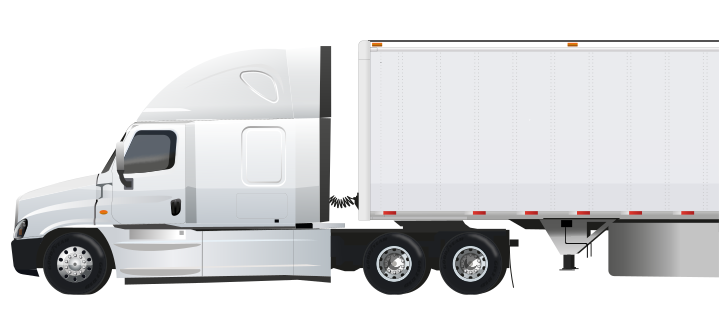





Flatbed Trailer Types That Handle Your Load
Flatbed Freight Shipping: What Open Deck Means for Your Cargo
Flatbed freight refers to shipments moved on trailers with no sides, no roof, and no enclosure. That open deck design is not a limitation; it is the feature that makes flatbed transport the right call for cargo that simply cannot be loaded into a standard dry van.
Building materials, heavy machinery, steel coils, prefabricated structures, and wide loads all share one trait: they require loading from the top or side, or they exceed the interior dimensions of an enclosed trailer. Open deck freight shipping solves that problem by giving carriers unrestricted access to the load from every angle.
Open deck hauling also introduces responsibilities that enclosed shipping does not. Load securement, tarping, oversize permits, and axle weight compliance all fall on the carrier and shipper together. Choosing a carrier with the right equipment, experience, and compliance record is not optional; it is the difference between a clean delivery and a roadside inspection that stops your shipment cold.

Flatbed Trucking
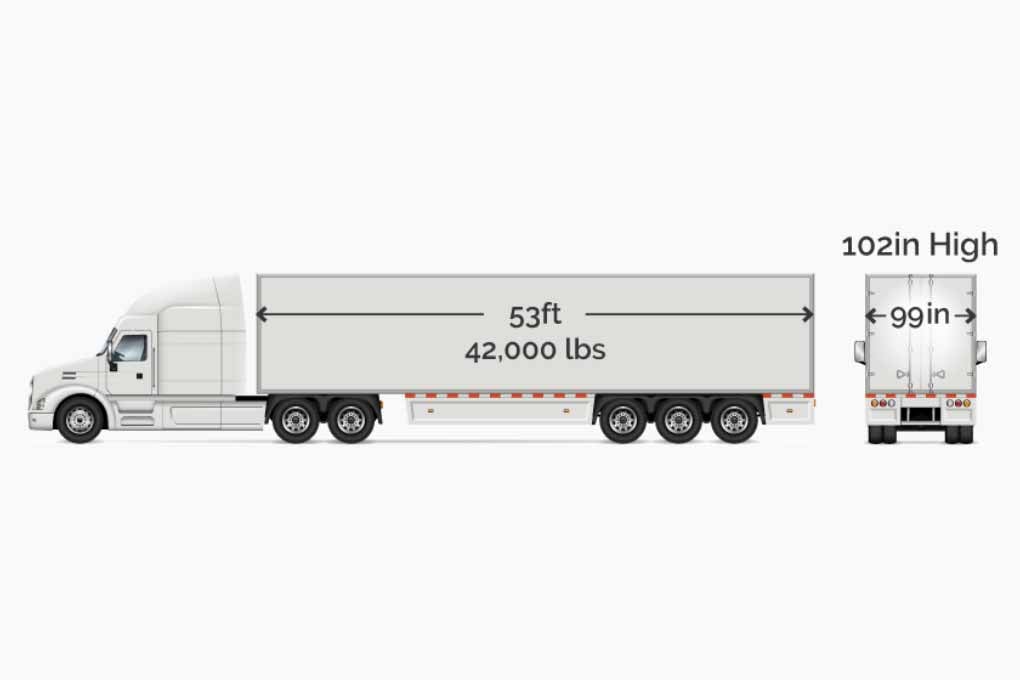
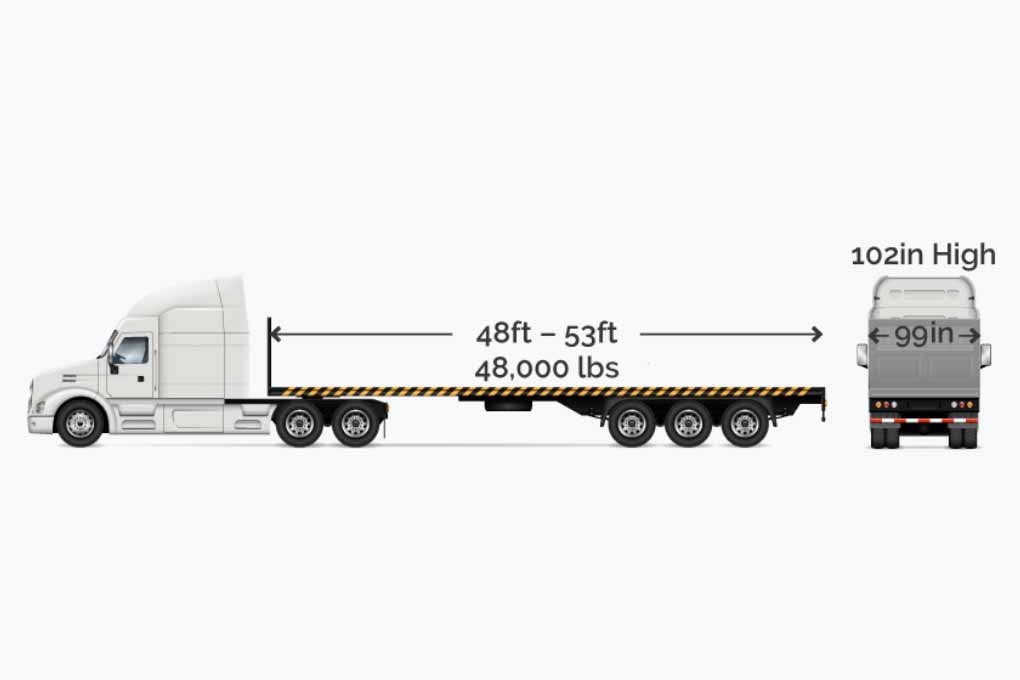
The standard flatbed is the workhorse of open deck freight. Typically 48 or 53 feet long with a deck height around 5 feet, it handles the broadest range of cargo: lumber, steel, machinery, and building materials that load from the top or sides and stay within legal height limits.

Step Deck Trailer Shipping
Step deck trailers feature a two-level deck: a shorter upper section over the kingpin and a lower main deck behind the wheels. That lower deck height, typically around 3.5 feet, gives taller cargo the clearance it needs without triggering oversize permits. This configuration is the preferred choice for construction equipment and machinery sitting between 8.5 and 10 feet tall when loaded.

Flatbed Freight
Drop deck trailers, RGN trailers, and lowboy configurations handle the heaviest and tallest loads in specialized open deck hauling. When cargo height or weight pushes past what a standard deck or step deck can legally carry, these configurations provide the clearance and weight distribution needed to move the load compliantly and safely.
WHAT WE DO
How Flatbed Freight Moves from Pickup to Delivery
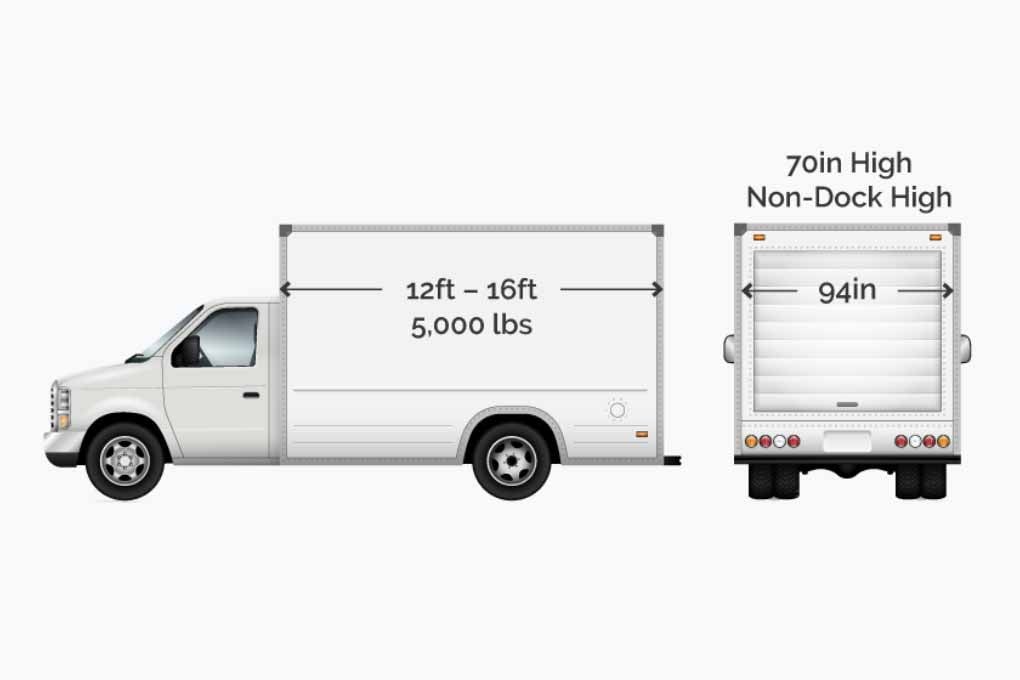
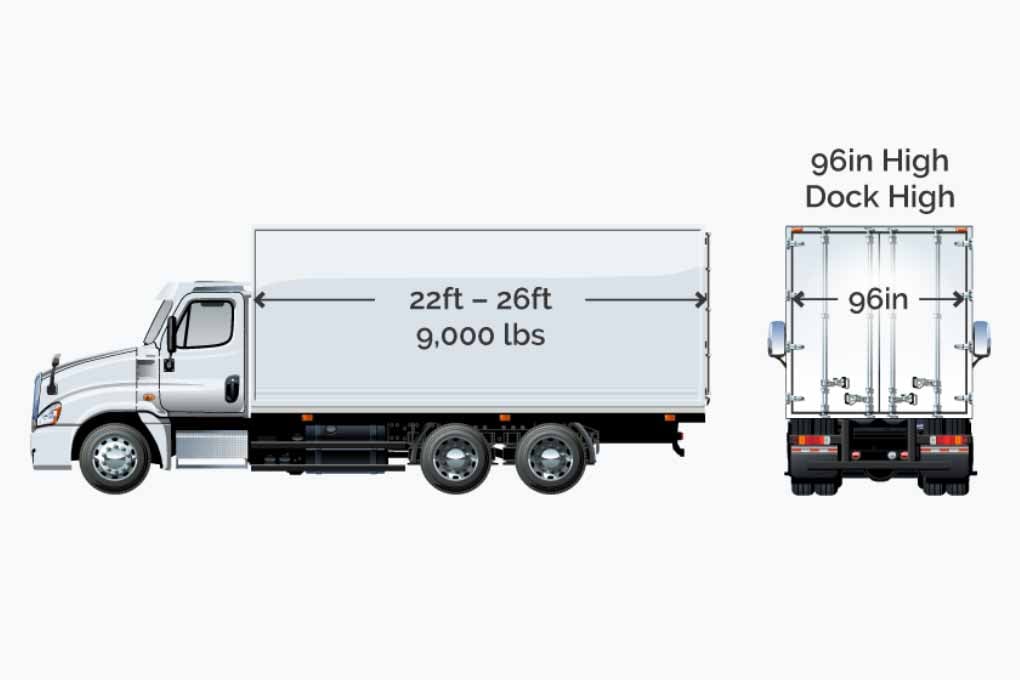
Flatbed freight involves more coordination than a standard enclosed shipment, from securement and permitting to final delivery at a jobsite or facility. This overview walks through how open deck cargo moves from the moment a carrier is dispatched to the point your freight is unloaded and confirmed.


Flatbed Carrier Services at a Glance
KEY BENEFITS
NATIONWIDE NETWORK
Flatbed freight carriers operating across the United States give shippers access to open deck capacity in virtually every major lane. Whether your shipment originates at a steel mill, a fabrication shop, or a construction site, a nationwide carrier network means you are not waiting on a single regional provider. Long-haul open deck freight shipping requires carriers who understand lane-specific permit requirements and weight restrictions, not just drivers with an available deck.
EXPLORE OUR COVERAGE



Cargo and Industries That Rely on Flatbed Transport
- Construction Jobsite Delivery
- Heavy Equipment Moves
- Military and Government
- Steel, Pipe, and Commodities
- Oversized Loads and Permits
- Prefab and Modular Freight
- Agricultural and Energy

Construction Jobsite Delivery
Structural steel, precast concrete, lumber, rebar, and roofing panels are among the most common flatbed freight commodities. Jobsite deliveries add complexity: access is often restricted, unloading windows are tight, and the materials may be needed the moment they arrive to keep crews on schedule. Open deck hauling handles these loads efficiently because the exposed deck allows crane or forklift unloading directly from the carrier without the constraints of an enclosed box. On-time delivery to active construction sites is not a preference; it is a production requirement.

Heavy Equipment Moves
Moving heavy machinery, whether it is a crane, excavator, compactor, or industrial press, requires more than just a large trailer. The carrier must assess the equipment's dimensions and weight, determine whether a standard deck, step deck, or lowboy configuration is appropriate, and secure the load to FMCSA standards using chains, binders, and blocking. Many moves also require oversize permits and pilot cars depending on the load's width, height, and the states it crosses. Flatbed freight carriers with heavy haul experience handle that coordination before the truck ever rolls.
Military and Government Freight
Military equipment transport is a specialized segment of flatbed freight that carries strict handling, documentation, and routing requirements. Vehicles, armored equipment, and support machinery often exceed standard legal dimensions and require carriers who are familiar with government freight protocols. Providers working in this space must be committed to compliance at every step, from load securement to delivery confirmation, because the consequences of a protocol failure extend well beyond a delayed shipment.
Steel, Pipe, and Commodities
Steel coils, structural beams, pipe bundles, and plate steel are flatbed freight staples. These commodities are heavy, dense, and often awkwardly shaped, which means securement requirements are more demanding than for general cargo. Chain tie-downs, edge protectors, and precise weight distribution across axles are standard practice. Carriers handling steel and pipe must also account for tarping requirements when the cargo is sensitive to moisture or road debris. Getting this wrong creates both a safety hazard and a damaged-goods claim.

Oversized Loads and Permits
Wide loads and oversized shipments, defined as any cargo exceeding standard legal limits for width, height, length, or weight, require permits before moving on public roads. Permit requirements vary by state, and multi-state moves require coordinating approvals across every jurisdiction the truck crosses. Some loads also require pilot car escorts and travel restricted to daylight hours or specific days of the week. Flatbed freight carriers experienced in wide load shipping manage the permitting process as part of the service, so shippers are not navigating state DOT portals on their own.

Prefab and Modular Freight
Prefabricated structures and modular building components present a unique flatbed freight challenge: they are large, rigid, and often fragile relative to their size. A modular wall panel or prefab bathroom pod cannot be folded or stacked. Open deck transport, particularly on step deck or specialized drop deck configurations, provides the deck space and height clearance these components need. Delivery coordination is equally important, since modular components typically need to arrive in a specific sequence to match the installation schedule on site.

Agricultural and Energy Freight
Agricultural equipment, wind turbine components, oilfield machinery, and pipeline materials all move on open deck trailers. These loads often originate or terminate at remote locations with limited infrastructure, which adds logistical complexity beyond the haul itself. Flatbed freight hauling in the energy and agricultural sectors frequently involves wide loads, specialized securement, and routes that require advance planning. Carriers who work regularly in these sectors understand the site access constraints and equipment handling requirements that general providers encounter for the first time.
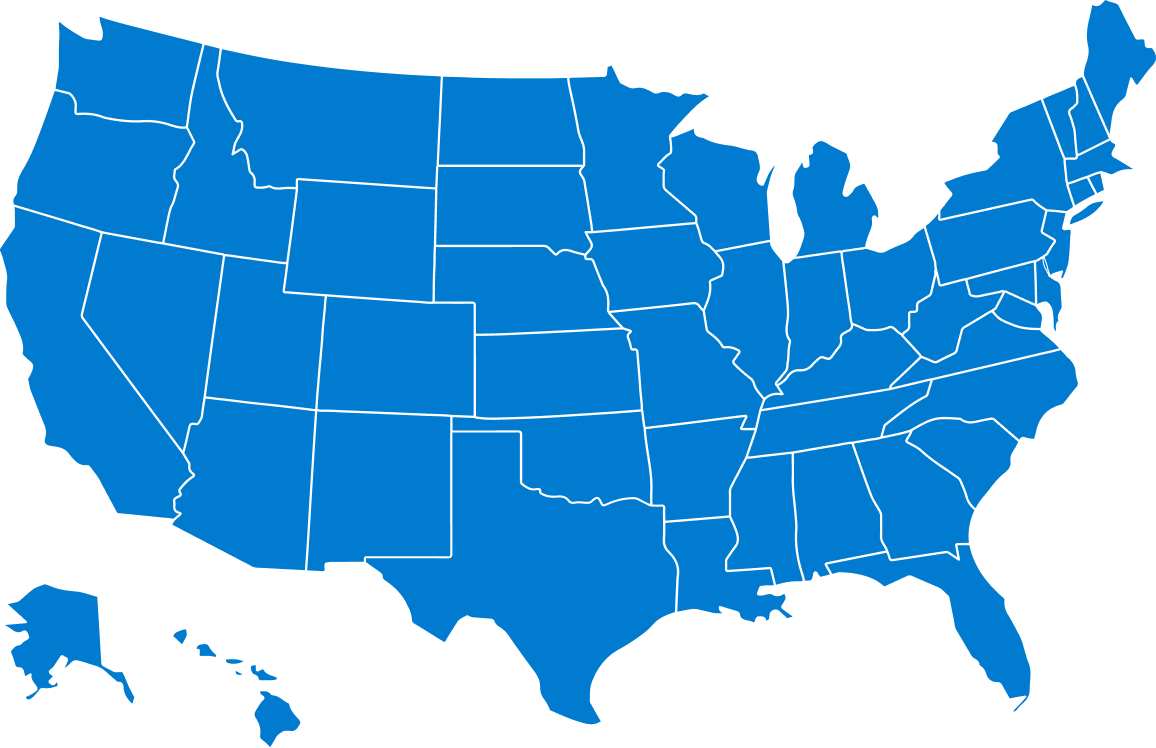
Wherever You Need Us, You'll Find Us
We're proud to serve customers across the United States with custom shipping solutions designed to meet urgent needs. Browse by state to view services in your area.
AREAS WE SERVICE
Alabama
(205) 453-1955
 Alabama
Centered around Birmingham, Huntsville, and Mobile, Alabama is known for aerospace, automotive, and advanced manufacturing. Its competitive business climate and skilled workforce support efficient operations and long-term investment.
Hot Shot Trucking AlabamaAlaska
(907) 331-6911
 Alaska
Alaska’s location supports time-sensitive shipments for oil, fishing, and remote resource development. We offer custom shipping and delivery access through Anchorage, Fairbanks, and coastal hubs.
Hot Shot Trucking AlaskaArizona
(623) 252-0101
 Arizona
Phoenix, Tucson, and Mesa anchor Arizona’s expanding economy, with strengths in technology, aerospace, and clean energy. A business-friendly environment and consistent population growth attract a range of enterprises.
Hot Shot Trucking ArizonaArkansas
(314) 269-1222
 Arkansas
Little Rock and Fayetteville support Arkansas’s economy, known for its concentration in retail, agriculture, and transportation. The state’s central location and affordable business costs appeal to companies serving national markets.
Hot Shot Trucking ArkansasCalifornia
(323) 648-3500
 California
Explore time-critical shipping coverage across Los Angeles, San Francisco, San Diego, and the Central Valley. California leads the nation in technology, entertainment, agriculture, and global trade connections.
Hot Shot Trucking CaliforniaColorado
(720) 262-8998
 Colorado
Denver, Boulder, and Colorado Springs contribute to Colorado’s strengths in aerospace, software development, and outdoor recreation. A well-educated population and strong quality of life continue to draw new businesses.
Hot Shot Trucking ColoradoConnecticut
(203) 936-6655
 Connecticut
Explore reliable delivery services for finance, insurance, and biotech sectors in Hartford, Stamford, and New Haven. Connecticut’s position between New York and Boston provides direct access to Northeast economic hubs.
Hot Shot Trucking ConnecticutDelaware
(302) 504-6044
 Delaware
Wilmington leads Delaware’s activity in finance, pharmaceuticals, and corporate services. Its streamlined incorporation process and favorable legal framework attract many national and international businesses.
Hot Shot Trucking DelawareDistrict of Columbia
(202) 644-8833
 District of Columbia
Located in the heart of the nation's capital, our Washington, D.C. hub specializes in urgent and highly sensitive shipments. We provide rapid delivery for government contractors and professional services firms, ensuring your cargo arrives securely and on time in this critical market.
Hot Shot Trucking DCFlorida
(786) 231-6700
 Florida
Florida’s major metros, Miami, Orlando, and Tampa, support thriving sectors like tourism, aerospace, and international trade. The state’s coastal access and tax-friendly policies are major draws for businesses of all sizes.
Hot Shot Trucking FloridaGeorgia
(678) 288-5005
 Georgia
With Atlanta, Savannah, and Augusta as key centers, Georgia is recognized for its contributions to film, manufacturing, and transportation. A well-connected infrastructure and growing tech scene make it a strong option for expansion.
Hot Shot Trucking GeorgiaHawaii
(808) 845-4577
 Hawaii
Honolulu anchors Hawaii’s economy, which includes tourism, defense, and sustainable agriculture. Its location in the Pacific enables unique access to Asian markets and renewable energy development.
Hot Shot Trucking HawaiiIdaho
(208) 577-6233
 Idaho
Idaho
Boise, Twin Falls, and Idaho Falls are central to Idaho’s growing sectors in agriculture, food processing, and tech. A low cost of living and supportive business policies encourage entrepreneurship and relocation.
Hot Shot Trucking IdahoIllinois
(773) 966-2800
 Illinois
Statewide shipping access, from Chicago to Springfield, supports manufacturing, agriculture, and related operations. Illinois offers a large talent base and strong connections to both national and global markets.
Hot Shot Trucking IllinoisIndiana
(317) 800-7222
 Indiana
Indianapolis, Fort Wayne, and Evansville contribute to Indiana’s manufacturing, life sciences, and agriculture industries. A central U.S. location and stable regulatory environment support long-term business growth.
Hot Shot Trucking IndianaIowa
(515) 954-7522
 Iowa
Iowa
Explore reliable shipping and delivery services in Des Moines, Cedar Rapids, and Davenport for agricultural products, insurance documents, and machinery. Iowa combines rural productivity with strong financial and tech sectors.
Hot Shot Trucking IowaKansas
(316) 633-7000
 Kansas
Kansas City, Wichita, and Topeka anchor Kansas’s industries in aviation, bioscience, and renewable energy. Low operational costs and a central geographic position benefit businesses with national reach.
Hot Shot Trucking KansasKentucky
(502) 230-4444
 Kentucky
Learn about custom delivery support for bourbon, healthcare products, and auto parts in Louisville, Lexington, and Bowling Green. Kentucky’s distribution networks and manufacturing legacy make it ideal for time-sensitive shipping.
Hot Shot Trucking KentuckyLouisiana
(504) 613-6666
 Louisiana
New Orleans, Baton Rouge, and Shreveport shape Louisiana’s focus on energy, shipping, and chemical production. Its access to the Gulf of Mexico and established port infrastructure offer critical trade advantages.
Hot Shot Trucking LouisianaMaine
(978) 662 - 2214
 Maine
Maine
Serving Portland, Bangor, and Augusta, we offer delivery options for marine products, healthcare, and specialty goods. Maine offers natural access to Canadian and Atlantic markets along with a strong quality-of-life appeal.
Hot Shot Trucking MaineMaryland
(800) 604-2511
 Maryland
Baltimore, Bethesda, and Frederick contribute to Maryland’s strengths in cybersecurity, biotech, and defense. Its proximity to federal agencies and top research institutions supports innovation and investment.
Hot Shot Trucking MarylandMassachusetts
(617) 934-7800
 Massachusetts
Supporting urgent deliveries in Boston, Cambridge, and Worcester, we ship pharmaceuticals, higher education, and R&D-driven goods. Massachusetts offers access to top-tier universities and leading-edge innovation hubs.
Hot Shot Trucking MassachusettsMichigan
(313) 887-0577
 Michigan
Detroit, Grand Rapids, and Ann Arbor form the backbone of Michigan’s automotive, mobility, and manufacturing sectors. A deep talent pool and commitment to innovation attract investment in advanced industries.
Hot Shot Trucking MichiganMinnesota
(763) 273-5444
 Minnesota
Explore custom delivery services for medical devices, retail, and food manufacturing across Minneapolis, St. Paul, and Rochester. Minnesota combines innovation with a strong corporate presence and a skilled labor force.
Hot Shot Trucking MinnesotaMississippi
(769) 553-4413
 Mississippi
Jackson, Gulfport, and Hattiesburg support industries like shipbuilding, agriculture, and manufacturing. Mississippi offers affordable business conditions and strategic access to southern U.S. markets.
Hot Shot Trucking MississippiMissouri
(314) 269-1222
 Missouri
Learn about shipping support across St. Louis, Kansas City, and Springfield for food processing, healthcare products, and life sciences. Missouri’s location and infrastructure support regional delivery and national service coverage.
Hot Shot Trucking MissouriMontana
(800) 604-2511
 Montana
Billings, Missoula, and Bozeman are central to Montana’s economy, which includes energy, agriculture, and tourism. The state offers wide open space, natural resources, and room for innovative rural development.
Hot Shot Trucking MontanaNebraska
(402) 909-0200
 Nebraska
Omaha, Lincoln, and Grand Island support Nebraska’s activity in finance, agriculture, and manufacturing. Its central location and skilled labor force provide dependable conditions for growth.
Hot Shot Trucking NebraskaNevada
(702) 583-6200
 Nevada
Las Vegas, Reno, and Henderson shape Nevada’s economy in hospitality, mining, and clean energy. The state’s tax structure and rapid population growth contribute to ongoing economic momentum.
Hot Shot Trucking NevadaNew Hampshire
(603) 782-0333
 New Hampshire
Manchester, Nashua, and Concord are economic hubs in New Hampshire, supporting healthcare, manufacturing, and tech. The state combines access to Boston markets with a lower tax burden.
Hot Shot Trucking New HampshireNew Jersey
(862) 236-3116
 New Jersey
Newark, Jersey City, and Princeton support New Jersey’s diverse economy in pharmaceuticals, finance, and logistics. Its proximity to major East Coast metros and deep talent base attract both startups and global firms.
Hot Shot Trucking New JerseyNew Mexico
(505) 886-0622
 New Mexico
New Mexico’s key cities, including Albuquerque, Santa Fe, and Las Cruces, help drive energy, aerospace, and scientific research. The state’s open land and national labs support innovation in advanced industries.
Hot Shot Trucking New MexicoNew York
(347) 514-9999
 New York
New York City, Buffalo, and Albany shape a broad economy in finance, media, and health sciences. With access to global markets and deep institutional resources, New York is a leader in commerce and innovation.
Hot Shot Trucking New YorkNorth Carolina
(919) 800-0339
 North Carolina
Charlotte, Raleigh, and Durham contribute to North Carolina’s leadership in banking, biotech, and manufacturing. A growing talent pool and strong research universities attract long-term investment.
Hot Shot Trucking North CarolinaNorth Dakota
(701) 212-1922
 North Dakota
North Dakota’s energy, agriculture, and technology sectors are supported by the state's metro areas, including Fargo, Bismarck, and Grand Forks. Low unemployment and stable growth create a welcoming climate for business development.
Hot Shot Trucking North DakotaOhio
(330) 648-0515
 Ohio
Ohio
Covering major cities like Columbus, Cleveland, and Cincinnati with tailored shipping solutions and reliable delivery networks. Ohio offers central access to the Midwest with leading industries in healthcare, manufacturing, and finance.
Hot Shot Trucking OhioOklahoma
(405) 445-7505
 Oklahoma
Providing custom shipping options throughout Portland, Eugene, and Salem, we deliver advanced tech and sustainable goods. Oregon's economy thrives on innovation in technology, clean energy, and advanced manufacturing.
Hot Shot Trucking Oklahoma
![]() Oregon
Oregon
With Portland at the forefront, Oregon has built a reputation for innovation in green energy, advanced manufacturing, and software. Its commitment to sustainability and quality of life draws both startups and global brands.
Hot Shot Trucking OregonPennsylvania
(215) 989-4444
 Pennsylvania
Supporting urgent deliveries and time-critical shipments includes cities such as Philadelphia, Pittsburgh, and Harrisburg. Pennsylvania connects East Coast markets with strengths in education, healthcare, and industrial manufacturing.
Hot Shot Trucking PennsylvaniaRhode Island
(800) 604-2511
 Rhode Island
Fast, flexible shipping supports marine products, healthcare, and design goods in Providence, Warwick, and Newport. Rhode Island’s coastal access and dense regional network support creative and technical industries.
Hot Shot Trucking Rhode IslandSouth Carolina
(803) 403-9055
 South Carolina
Custom shipping and delivery supports auto parts, aerospace components, and industrial goods in Charleston, Columbia, and Greenville. The state is known for its growing role in advanced manufacturing and exports.
Hot Shot Trucking South CarolinaSouth Dakota
(701) 212-1922
 South Dakota
Reliable delivery services operate in Sioux Falls, Rapid City, and beyond for agriculture, finance, and light manufacturing. South Dakota attracts business with no corporate income tax and a stable economic environment.
Tennessee
(615) 970-7100
 Tennessee
Time-critical shipping solutions serve Nashville, Memphis, and Knoxville for healthcare, automotive, and music-related goods. Tennessee offers access to key Southern markets with strong infrastructure and workforce programs.
Hot Shot Trucking TennesseeTexas
(972) 330-2000
 Texas
Texas
Custom shipping solutions for construction, manufacturing, oil & gas, and more support major cities, including Dallas and Austin. Enjoy Texas’ business-friendly climate, no state income tax, and prime location.
Hot Shot Trucking TexasUtah
(801) 784-1444
 Utah
Utah
Salt Lake City, Provo, and Ogden handle urgent shipments for the tech, finance, and recreation industries. Utah combines rapid economic growth with a skilled, youthful workforce and a strong startup culture.
Hot Shot Trucking UtahVermont
(800) 604-2511
 Vermont
Burlington and the surrounding areas support efficient delivery services for specialty foods, renewable energy systems, and small-scale manufacturing. Vermont promotes sustainability, community-based business, and green innovation.
Hot Shot Trucking VermontVirginia
(804) 886-3100
 Virginia
Richmond, Virginia Beach, and Arlington offer streamlined shipping and delivery access for defense, cybersecurity, and maritime goods. Virginia’s proximity to D.C. and educated workforce support both public and private sector growth.
Hot Shot Trucking VirginiaWashington
(206) 673-2900
 Washington
Seattle, Tacoma, and Spokane provide fast delivery and custom shipping for aerospace parts, tech products, and agricultural exports. Washington combines West Coast market access with a deep culture of innovation.
West Virginia
(804) 886-3100
 West Virginia
Charleston, Morgantown, and Huntington offer shipping options for energy, chemical, and forestry-related goods. West Virginia’s natural resources and infrastructure investments support long-term business activity.
Hot Shot Trucking West VirginiaWisconsin
(414) 973-8000
![]() Wisconsin
Wisconsin
Milwaukee, Madison, and Green Bay offer statewide shipping solutions for dairy, heavy equipment, and medical products. Wisconsin is known for its industrial strength and commitment to workforce development.
Hot Shot Trucking WisconsinWyoming
(800) 604-2511
 Wyoming
Cheyenne, Casper, and surrounding regions provide custom shipping support for energy and natural resource projects. Wyoming offers tax advantages and wide-open space for growing operations in mining, ranching, and energy.
Hot Shot Trucking Wyoming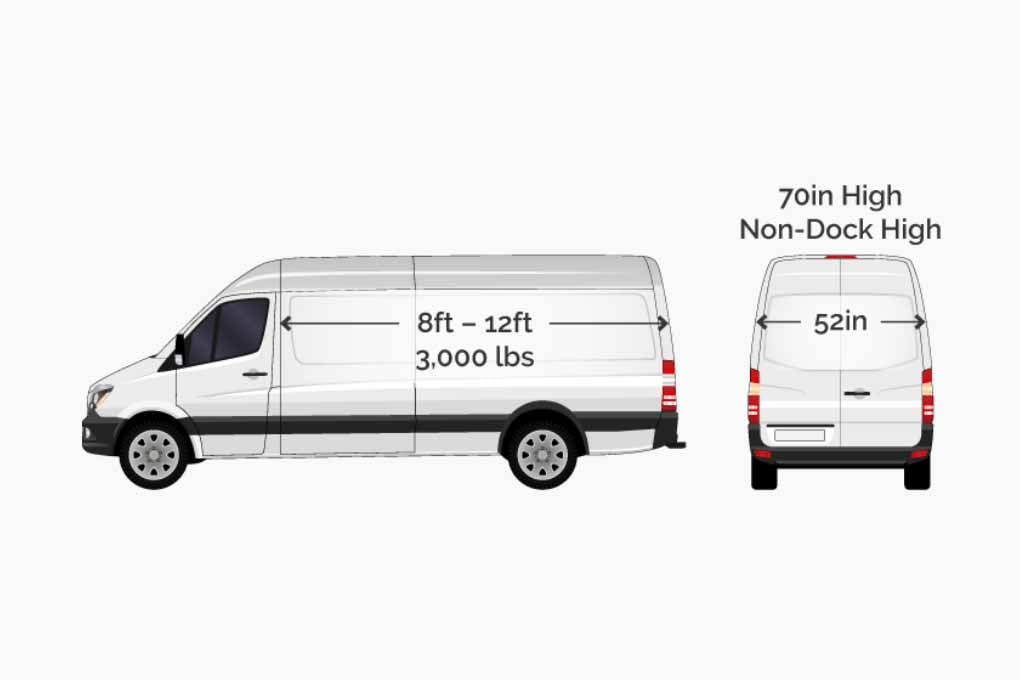
FLATBED FREIGHT DEEP DIVE
Everything You Need to Know About Flatbed Freight Services

Step Deck Trailers for Tall or Layered Loads
Step deck trailers are a specialized form of open deck freight equipment designed to carry loads that are too tall for a standard flatbed trailer. The two-level deck drops behind the gooseneck, giving drivers extra vertical clearance without requiring an oversize permit in many cases. This makes them a practical choice for freight that sits between standard and true heavy haul thresholds.
<h4>Drop Deck Trailers vs. Standard Flatbed Trailers</h4> Drop deck trailers and conventional flatbed trailers serve overlapping but distinct freight profiles. A standard flatbed trailer works well for construction materials, steel coils, and machinery that loads from the side or rear. Step deck trailers add the lower deck option, which is critical for tall equipment, agricultural machinery, and prefabricated structures that would otherwise require special routing.
<h4>Loading Oversized Cargo on Step Decks</h4> Loading oversized cargo onto a step deck requires careful planning around weight distribution and tie-down points. Flatbed trucking companies that specialize in open deck freight train their teams to assess center-of-gravity issues before the load ever leaves the origin facility. Professionally executed securement reduces cargo damage and keeps drivers compliant with federal tie-down regulations.
Flatbed carriers operating step deck equipment typically maintain a network of permit runners and route survey contacts. This infrastructure matters when a load approaches legal width or height limits, because permit timelines can directly affect on time delivery commitments. Working with a trusted partner who understands permit logistics is essential for shippers moving tall or wide freight on a recurring basis.
Step deck trailers are also commonly used for military equipment transport, where precise loading specs and documentation requirements are non-negotiable. Flatbed trucking operations that serve defense contractors must demonstrate integrity in their safety practices and chain-of-custody procedures. Shippers in this segment should ask carriers directly about their training programs and compliance history before committing to a lane.

Heavy Haul Transport for Overweight and Oversize Loads
Heavy haul freight refers to shipments that exceed standard legal weight or dimension thresholds, typically requiring state-issued oversize or overweight permits before the truck can move. These loads often include industrial machinery, transformers, construction equipment, and large prefabricated components. Flatbed transport is the default mode for heavy haul because open deck equipment allows cranes and forklifts to load from multiple angles.
<h4>Heavy Equipment Securement and Safety Practices</h4> Moving heavy equipment safely depends on rigorous safety practices that go beyond basic DOT compliance. Chains, binders, and blocking must be rated for the specific load weight, and drivers need to inspect securement at every fuel stop and after the first 50 miles. Flatbed trucking companies that strive for zero-incident records invest heavily in driver training and pre-trip inspection protocols.
<h4>Permit Routing Across the Nation</h4> Permit routing for heavy haul across the nation involves coordinating with multiple state DOTs, identifying bridge weight restrictions, and sometimes scheduling travel during off-peak hours. Some states restrict oversize movement to daylight hours or require pilot cars and law enforcement escorts. A flatbed carrier with dedicated permit staff can compress the planning timeline significantly compared to shippers trying to self-manage the process.
System transport and load-matching technology have improved how flatbed trucking companies assign equipment to heavy haul loads. Digital freight platforms allow carriers to recognize available step deck trailers and specialized lowboys in real time, reducing the lag between booking and dispatch. Shippers benefit from faster quotes and more accurate transit windows as a result.
Heavy haul also intersects with energy sector logistics, where turbine components, drilling equipment, and pipeline sections move on tight project schedules. Flatbed freight providers that serve energy clients understand that a missed delivery can halt a construction crew for an entire day. On time delivery in this context is not a marketing phrase but a contractual and operational imperative.
Flatbed Trucking for Construction and Building Materials
Construction materials represent one of the highest-volume freight categories for flatbed carriers across North America. Steel beams, rebar bundles, precast concrete panels, roofing materials, and lumber all share a common characteristic: they are too long, heavy, or awkwardly shaped for enclosed trailers. A flatbed trailer provides the open deck access that job site deliveries require, where forklifts and cranes need unobstructed reach from the side or top.
<h4>Delivering to Active Job Sites</h4> Delivering construction materials to active job sites introduces logistical complexity that flatbed trucking companies must be prepared to handle. Sites often have restricted access windows, weight-limited access roads, and unloading crews that operate on their own schedule. Drivers who are personally familiar with construction site protocols can navigate these constraints without creating delays that cascade through the project timeline.
<h4>Flatbed Trailer Configurations for Building Products</h4> Flatbed trailer length and deck height choices affect how efficiently construction materials load and unload. Standard 48-foot and 53-foot flatbeds handle most structural steel and lumber runs, while step deck trailers accommodate taller prefabricated wall sections or HVAC equipment. Flatbed freight providers that maintain a mixed fleet give shippers the flexibility to match equipment to load geometry rather than forcing freight onto the wrong trailer type.
Weight distribution is a persistent challenge with construction materials because dense products like steel plate can concentrate load weight in a small footprint. Flatbed carriers with experienced load planners can advise shippers on how to stage materials across the deck to stay within axle weight limits. This kind of operational guidance is part of what separates a trusted partner from a transactional carrier.
On time delivery of construction materials is directly tied to project cash flow and crew productivity. A delayed steel delivery can idle ironworkers for hours, creating costs that dwarf the freight bill itself. Flatbed trucking operations that are committed to schedule reliability and proactive communication earn repeat business from general contractors who cannot afford surprises.
How to Evaluate and Select Flatbed Carriers
Selecting a flatbed carrier involves more than comparing rates. Shippers need to assess equipment quality, driver experience with open deck freight, safety scores, and the carrier's ability to cover lanes consistently. A flatbed carrier with strong CSA scores and a well-maintained fleet of flatbed trailers is a fundamentally different partner than one competing solely on price.
<h4>Flatbed Trucking Companies and Safety Ratings</h4> Flatbed trucking companies are rated by FMCSA on driver fitness, vehicle maintenance, and unsafe driving metrics. These scores are publicly available and give shippers a data-driven starting point for vetting carriers. Companies that invest in ongoing training and innovation in safety technology tend to maintain better scores over time, which translates directly into fewer claims and service disruptions for shippers.
<h4>Capacity Planning for Open Deck Freight</h4> Open deck freight capacity tightens seasonally, particularly in spring and summer when construction activity peaks. Shippers who rely on spot market flatbed transport during peak periods often pay premium rates and face longer lead times. Building relationships with flatbed carriers before demand spikes allows shippers to negotiate capacity commitments and maintain more predictable freight costs.
Flatbed carrier networks vary considerably in geographic coverage. Some specialize in regional lanes while others operate coast-to-coast flatbed trucking routes. Shippers with freight moving across multiple regions benefit from carriers that can cover the full lane rather than handing off to a relay partner, which introduces additional handoff risk and communication gaps.
Home time policies and driver pay structures at flatbed trucking companies affect driver retention, which in turn affects service consistency for shippers. Carriers that pay competitively and recognize driver performance tend to retain experienced operators who handle complex loads with greater proficiency. Shippers should not overlook driver quality as a factor when evaluating flatbed freight providers, because an experienced driver on a difficult load is a genuine operational asset.

Expedited Flatbed and Hot Shot Trucking for Urgent Loads
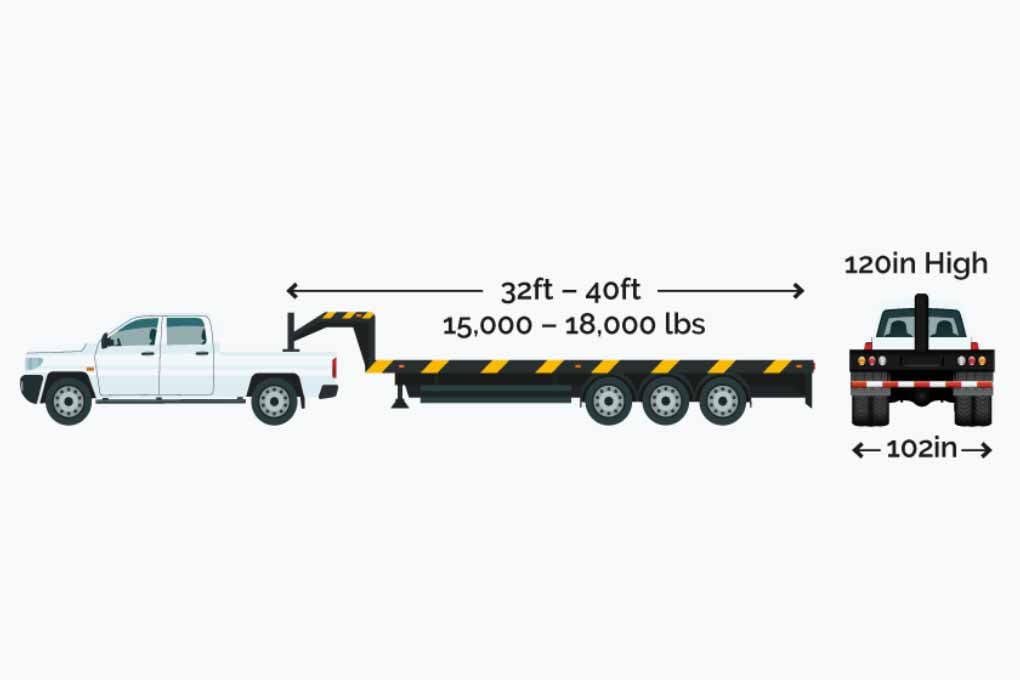
Expedited flatbed freight fills the gap between standard flatbed trucking and air freight for loads that are too large for a sprinter van or box truck but too urgent for standard transit times. Hot shot trucking using flatbed configurations, typically on a heavy-duty pickup with a gooseneck or bumper-pull trailer, is a common solution for urgent partial loads in the energy, construction, and manufacturing sectors.
<h4>Hot Shot Trucking with Flatbed Configurations</h4> Hot shot trucking with a flatbed or step deck trailer allows shippers to move loads up to approximately 16,500 pounds without waiting for a full truckload to build. This is particularly valuable for replacement parts, urgent construction materials, and equipment components where downtime costs far exceed the freight premium. Drivers operating in this segment are personally accountable for load securement and delivery timing in a way that larger carrier networks sometimes dilute.
<h4>Comparing Expedited Ground vs. Air Freight</h4> For loads that weigh more than a few hundred pounds, expedited flatbed transport is almost always more cost-effective than air freight while still meeting tight delivery windows. Air freight makes sense for small, extremely high-value components, but flatbed freight handles the dimensional and weight profiles that air cargo cannot accommodate. Shippers should evaluate both options based on total cost, including packaging, handling, and airport transfer fees for air moves.
Flatbed transport in an expedited context requires carriers that are committed to 24/7 dispatch and real-time tracking. A load sitting at a breakdown location without proactive communication can cause as much damage to a shipper's operation as a missed delivery. Flatbed trucking providers that invest in technology for visibility and communication differentiate themselves meaningfully in the expedited segment.
Dry vans and enclosed trailers are not viable for many expedited industrial loads due to height and width constraints, which is why open deck options remain the backbone of urgent industrial freight. Shippers who need tips on structuring expedited flatbed programs should focus on pre-qualifying carriers, establishing clear escalation protocols, and building in buffer time for permit-required loads that cannot move until documentation clears.
Expedited Trucking Excellence: Explore Our Resource and Blog Section
HotShotTrucking.com is a leader in the hot shot trucking industry. Our blog and resource section offers information and resources to improve your logistics strategy.

From critical shipments to ongoing support, see why businesses continue to choose HotShotTrucking.com